Pest control flat line icons set. Insects - mosquito, spider, fly, cockroach, rat, termite, spray vector illustrations. Outline signs for disinfection service. Pixel perfect 64x64. Editable Strokes.
Browse 22,000+ larva stock illustrations and vector graphics available royalty-free, or search for dragonfly larva or ladybug larva to find more great stock images and vector art.
Pest control flat line icons set. Insects - mosquito, spider, fly, cockroach, rat, termite, spray vector illustrations. Outline signs for disinfection service. Pixel perfect 64x64. Editable Strokes.

vector drawing larves of beetle isolated at white background, garden pest, hand drawn illustration

Insect flat glyph icons set. Butterfly, bug, dung beetle, grasshopper, cockroach, scarab, bee, caterpillar vector illustrations. Black signs for insects pest. Silhouette pictogram pixel perfect 64x64.
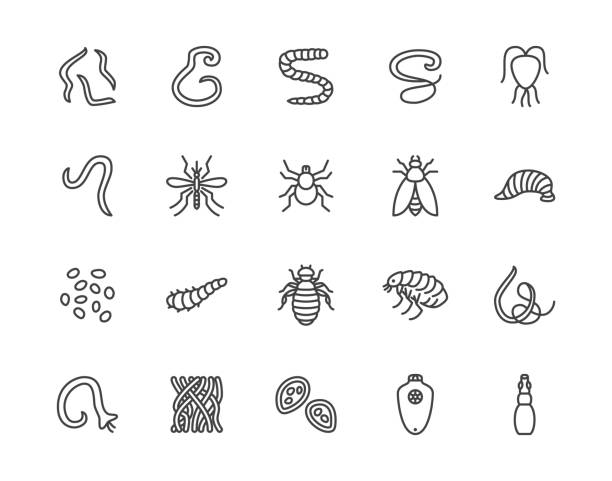
Parasites flat line icons set. Intestinal worm, helminth, sandfly, tick, dog flea, leech, qiardia, dengue mosquito illustrations. Outline signs for parasitology. Pixel perfect 64x64. Editable Strokes.

Sea larvae: 1) Strobila of Moon jellyfish (Aurelia aurita); 2) Aeginopsis larva; 3) Yungia (Flatworm) larva, 4) Sycandra raphanus, larva; 5) Planula larva of Eucope polystyla (Hydroid); 6) Pilidium larva of a nemertine; 7) Ephyra larva of Moon jellyfish (Aurelia aurita); 8) Trochophore larva of a annelid (Eupomatus uncinatus); 9) Actinula larva of a hydropolyp; 10) Youngest larva of a Siphonophorae (Alophota giltschiana); 11) Larva of a annelid; 12) Larva of a worm (Sipunculus); 13) Bipinnaria larva of a starfish; 14) Larva of a sea squirt (Ascidia mamillata); 15) Pluteus larva of a brittle star; 16) Pentacrinites larva of a feather star (Antedon); 17) Zoea larva of a crab (Lucifer); 18) Larva of the European flat oyster (Ostrea edulis); 19) Pluteus larva of a sea urchin (Strongylocentrotus); 20) Veliger larva of a swimming sea snail (Cymbulia). Raster prints, published in 1900.

Caterpillar icons set cartoon vector. Nature insect. Larva summer

Cute green smiling caterpillar on white background. Concept of stickers of cute and funny insects and garden animals for children. Flat cartoon vector illustration
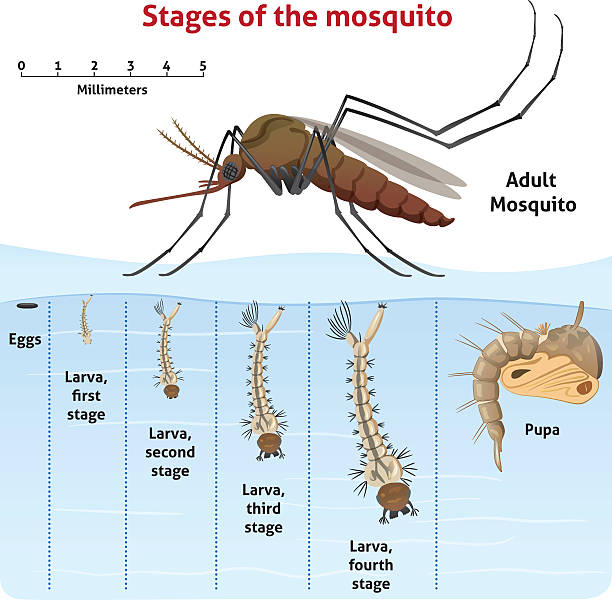
Nature, growth-stage stilt mosquito. Ideal for informational and institutional related sanitation and care

Insect flat line icons set. Butterfly, bug, dung beetle, grasshopper, cockroach, scarab, bee, caterpillar vector illustrations. Outline signs for insects pest. Pixel perfect 64x64. Editable Strokes.

centipede. Detailed set of insects items icons. Premium quality graphic design. One of the collection icons for websites, web design, mobile app on white background

Insects icons set. Editable stroke. Thin line vector icons.
Vector illustration in modern thin line style of agronomy related icons: seedling plants, plant care, harvest, and more.

Pest control flat line icons set. Mosquito, spider, fly, cockroach, rat, termite, pesticide spray vector illustrations. Outline signs for disinfection service. Orange color. Editable Strokes.
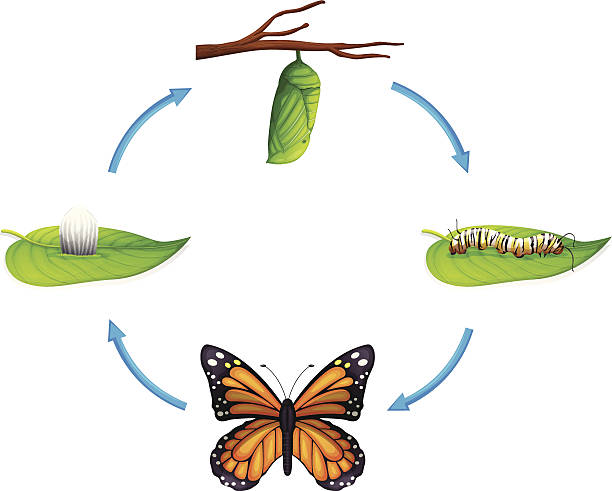
Life cycle - Danaus plexippus on a white background

Cutaneous larva migrans. Skin disease in humans caused byhookworm (Ancylostoma braziliense). Vector illustration for medical, biological, science and educational use

Earthworm set line. Worm insect icon. Cartoon funny kawaii baby animal character. Cute crawling bug collection. Smiling face. Pink color. Flat design. White background. Isolated. Vector illustration

Illustrating the complete life cycle of a mite, featuring eggs, larva, nymph, and adult stages, providing valuable insights for biology and zoology education

Cartoon bee life cycle. Development process from bee egg, larvae, pupation stage to emerging bee vector illustration. Metamorphosis in honeycomb, growing insect progress, evolution
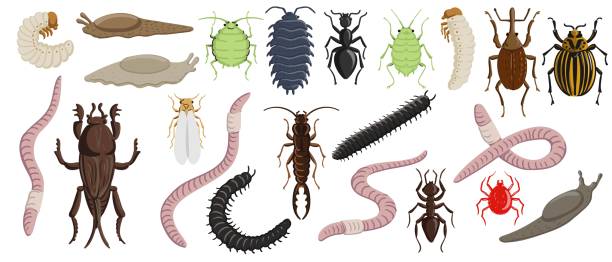
vector drawing set of garden pests, beetles, bugs, insects nd wirms isolated at white background, hand drawn illustration

Caterpillar set. Insect icon. Cute crawling bug. Cartoon funny kawaii baby animal character Smiling face. Colorful bright green blue yellow red orange purple color. Flat design White background Vector

Parasites flat line icons set. Intestinal worm, helminth, sandfly, tick, dog flea, leech, qiardia, dengue mosquito illustrations. Outline signs for parasitology. Orange color. Editable Strokes.

Hand-drawn vector drawing of a Caterpillar Butterfly Metamorphosis Concept. Black-and-White sketch on a transparent background (.eps-file). Included files are EPS (v10) and Hi-Res JPG.

Bugs clipart set. Cute cartoon insects and curious kids exploring nature.

This vector icon set features a wide variety of common insects and arthropods, including beetles, ants, butterflies, moths, flies, dragonflies, bees, and caterpillars. Each icon is designed with simple yet detailed line art, making them perfect for use in educational materials, nature-themed projects, apps, and more. The clear and distinct representation of each insect species ensures they are easily recognizable and can be used in a variety of contexts. Ideal for entomology presentations, environmental awareness campaigns, and insect-themed designs. Vector illustration.

Cartoon caterpillar metamorphosis. Cute butterfly development, caterpillars life cycle biology transformation process pupa change chrysalis evolution, swanky vector illustration original artwork

Worm or Caterpillar Stick Out of Garden Apple. Earth or Soil Earthworm Insect in Garden. Nature Creature, Orchard Invertebrate Worm in Fruit Isolated on White Background. Cartoon Vector Illustration

Butterfly and moth caterpillars, larvae of bugs, worms, slugs and variety of centipedes vintage sketch drawing icons. Nature, biology, education theme design

Grub larva icon is a minimalist clipart vector design featuring an insect larva rendered in a clean, modern flat silhouette that highlights its arthropod profile, simplified contour, and decorative drawing style.
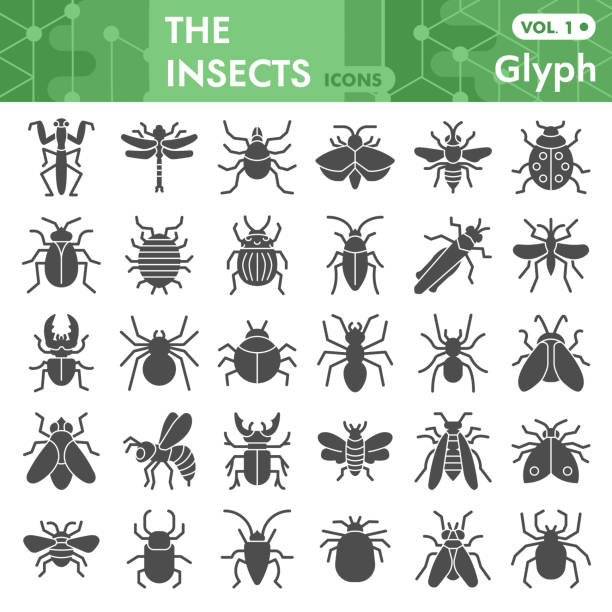
Insects solid icon set, bugs, beetles, termites symbols collection or sketches. Insects silhouettes glyph style signs for web and app. Vector graphics isolated on white background

Insects Icons Set. Flat Style. Vector illustration.

A simple and easy-to-use icon set of harmful animal pests and vermin.

A set of isolated vector bright caterpillars drawn by hand. The larva of insects, butterflies, moth. Editable illustration on a white background

Vector illustration of multicoloured cheerful caterpillar on white background.
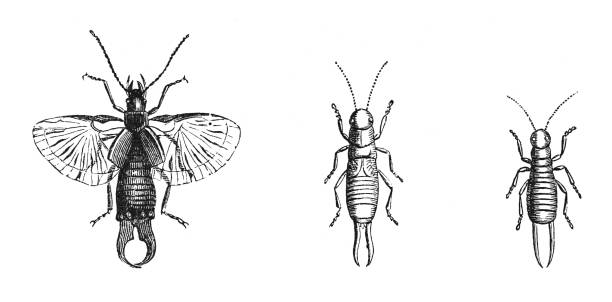
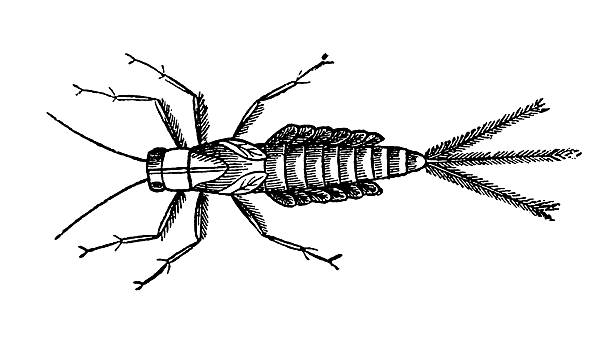
Vintage engraved illustration isolated on white background - Common earwig or European earwig (Forficula auricularia) imago, nymph and larva
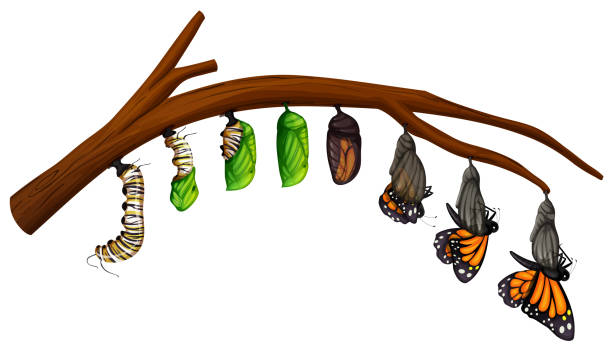
A Set of Butterfly Life Cycle illustration

Insect icons black silhouette flat set isolated on white background. Insects flat icons vector illustration. Nature flying insects isolated icons. Ladybird, butterfly, beetle vector ant. Vector insects
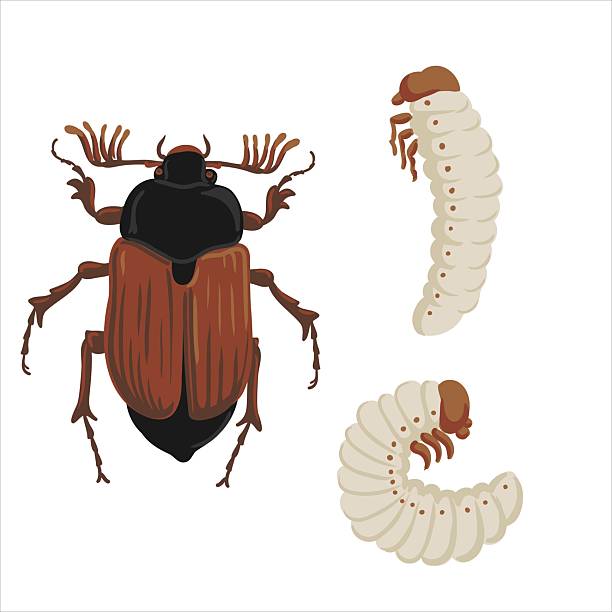
vector drawing larves of maybeetle isolated at white background, garden pest, hand drawn illustration

Beetles (Coleoptera), left side: a) Rhinoceros beetle (Oryctes nasicornis); b) (Geotrupes stercorarius); c) Horned dung beetle (Copris lunaris); d) Scarabaeus sacer; e) Red dung beetle (Aphodius fimetarius); f) Cockchafer (Melolontha melolontha); g) Pine chafer (Polyphylla fullo); h) Green rose chafer (Cetonia aurata); i) Stag beetle (Lucanus cervus); j) Typographer beetle (Ips typographus); k) Burying beetle (Nicrophorus vespillo); l) Golden ground beetle (Carabus auratus); m) Lesser searcher beetle (Calosoma inquisitor); n) Green tiger beetle (Cicindela campestris); o) Mealworm beetle (Tenebrio molitor); p) Great silver water beetle (Hydrophilus piceus); q) Click beetle (Hemicrepidius niger); r) Brazilian diamond beetle (Entimus imperialis); s) Woodworm (Anobium pertinax, or Hadrobregmus pertinax); t) Firefly (Lamprohiza splendidula); u) Spanish fly (Lytta vesicatoria); v) Violet oil beetle (Meloe violaceus); w) Flat-faced Longhorn Beetle (Lamiinae); x) Tanner, or sawyer (Prionus coriarius); z) Ladybird (Coccinella septempunctata). Locust (Orthoptera) and net-winged insects (Neuroptera), right side: a) Earwig (Forficula auricularia); b) Cockroach (Blatta orientalis); c) Praying mantis (Mantis religiosa); d) Green bush-cricket (Tettigonia viridissima); e) Mole cricket (Gryllotalpa gryllotalpa); f) House cricket (Acheta domesticus); g) Field-cricket (Gryllus campestris); h) Migratory locust (Locusta migratoria); i) Rattle grasshopper (Psophus stridulus); j) Beautiful demoiselle (Calopteryx virgo); k) Mayfly (Ephemera vulgata); l) Phryganea grandis; m) Green lacewing (Chrysoperla carnea); n) Ant lion (Myrmeleon formicarius); o) Scorpion fly (Panorpa communis); p) Snakefly (Raphidia ophiopsis); q) Winged termite and pregnant termite queen (Macrotermes bellicosus). Chromolithograph, published in 1882.
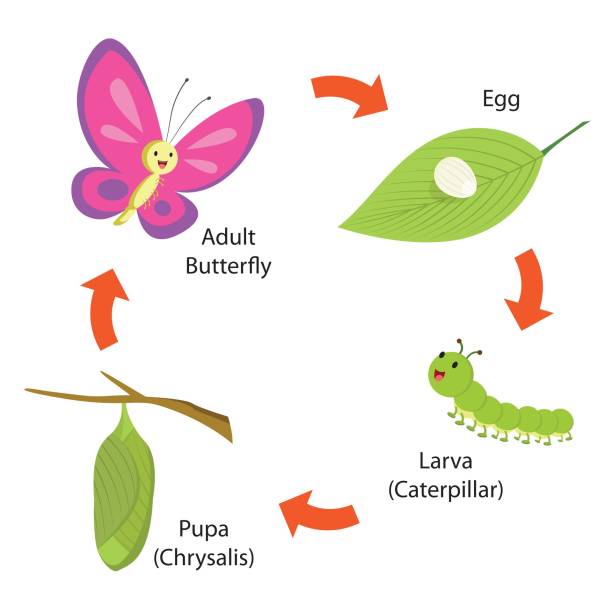
Vector illustration of life cycle of a butterfly.

Pests and various insects set icons. vector illustration
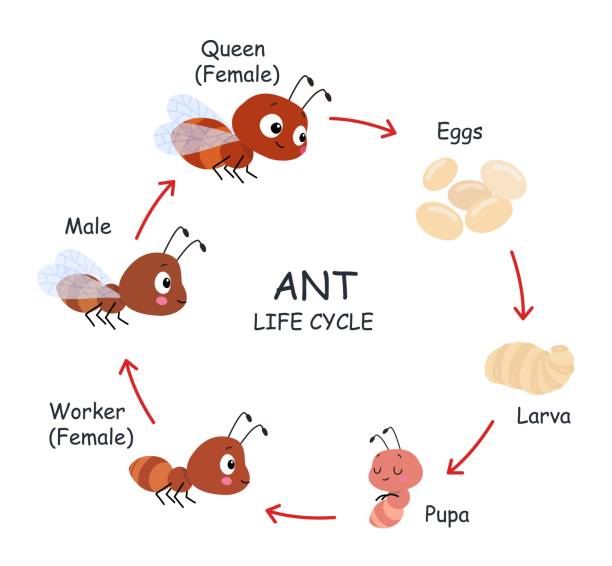
Ant life cycle poster for children. Step by step stages of insects growth. Eggs, pupa, larvae and adults. Cartoon ants develop, nowaday vector info of animal bug with antenna illustration

Life cycle and metamorphosis of a butterfly from caterpillar to insect in sequence on a branch, colored vector illustration

Abstract flying butterfly in polygons, lines and connected dots. Vivid Low Poly Wireframe butterfly on dark background. Digital vector illustration. Colorful creative concept.
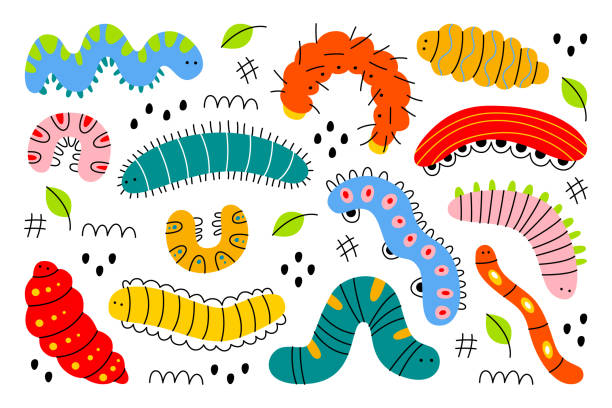
Funny colorful cartoon caterpillars insects, cute crawling bug characters isolated set on white background. Kawaii baby worm different silhouettes with various shapes and forms vector illustration

Ticks stage. Tick mites insect bug parasite life cycle type view, fed female male larva nymph human skin parasites bugs lyme disease spring safety medical neat vector illustration original artwork