Watercolor hand-drawn illustration of green insect Mantis isolated on white background
Browse 2,500+ praying mantis stock illustrations and vector graphics available royalty-free, or start a new search to explore more great stock images and vector art.
Watercolor hand-drawn illustration of green insect Mantis isolated on white background

Vector antique engraving drawing illustration of praying mantis or stick mantis isolated on white background

Insect flat line icons set. Butterfly, bug, dung beetle, grasshopper, cockroach, scarab, bee, caterpillar vector illustrations. Outline signs for insects pest. Pixel perfect 64x64. Editable Strokes.

Vector illustration of a praying mantis against a white background. Mantis is on its own layer, easily separated from the background. Illustration uses linear and radial gradients. Both CS .ai and AI8-compatible .eps formats are included, along with a high-res .jpg.

Insect flat glyph icons set. Butterfly, bug, dung beetle, grasshopper, cockroach, scarab, bee, caterpillar vector illustrations. Black signs for insects pest. Silhouette pictogram pixel perfect 64x64.
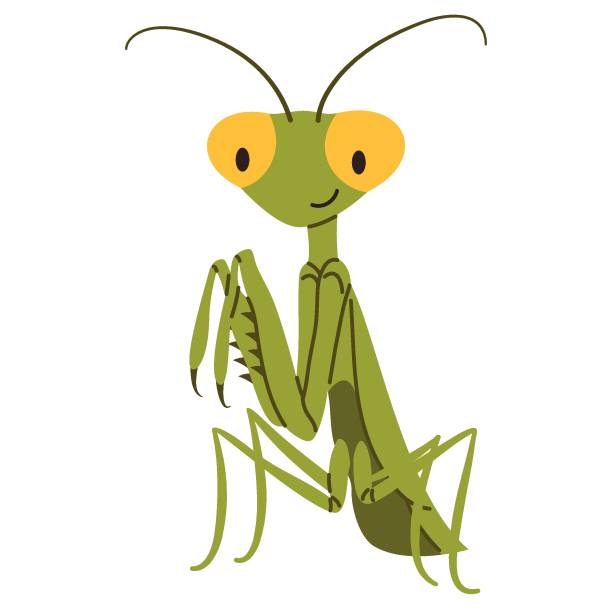
Flat vector illustration in children's style. Cute praying mantis on white background

Insects icons set. Editable stroke. Thin line vector icons.

Cartoon funny googly mantis insect character for kids mascot, vector little creature. Cartoon green mantis with funny face and goggle eyes, small insect or cute cheerful bug from meadow or wild forest
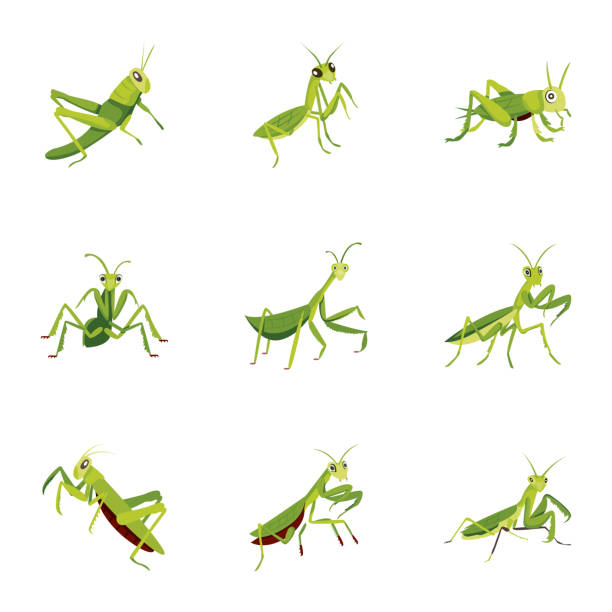
Browse our collection of praying mantis icons and get handy vectors assets for your web, apps, and other digital media platforms.

Illustration, what made by ink, then it was digitalized.

Insects icon set. Signs of a variety of insects, butterflies, pests and parasites. Pest control. Vector illustration

Mantid in cartoon style isolated on white background illustration

Insects Icons Set. Flat Style. Vector illustration.

Beetles (Coleoptera), left side: a) Rhinoceros beetle (Oryctes nasicornis); b) (Geotrupes stercorarius); c) Horned dung beetle (Copris lunaris); d) Scarabaeus sacer; e) Red dung beetle (Aphodius fimetarius); f) Cockchafer (Melolontha melolontha); g) Pine chafer (Polyphylla fullo); h) Green rose chafer (Cetonia aurata); i) Stag beetle (Lucanus cervus); j) Typographer beetle (Ips typographus); k) Burying beetle (Nicrophorus vespillo); l) Golden ground beetle (Carabus auratus); m) Lesser searcher beetle (Calosoma inquisitor); n) Green tiger beetle (Cicindela campestris); o) Mealworm beetle (Tenebrio molitor); p) Great silver water beetle (Hydrophilus piceus); q) Click beetle (Hemicrepidius niger); r) Brazilian diamond beetle (Entimus imperialis); s) Woodworm (Anobium pertinax, or Hadrobregmus pertinax); t) Firefly (Lamprohiza splendidula); u) Spanish fly (Lytta vesicatoria); v) Violet oil beetle (Meloe violaceus); w) Flat-faced Longhorn Beetle (Lamiinae); x) Tanner, or sawyer (Prionus coriarius); z) Ladybird (Coccinella septempunctata). Locust (Orthoptera) and net-winged insects (Neuroptera), right side: a) Earwig (Forficula auricularia); b) Cockroach (Blatta orientalis); c) Praying mantis (Mantis religiosa); d) Green bush-cricket (Tettigonia viridissima); e) Mole cricket (Gryllotalpa gryllotalpa); f) House cricket (Acheta domesticus); g) Field-cricket (Gryllus campestris); h) Migratory locust (Locusta migratoria); i) Rattle grasshopper (Psophus stridulus); j) Beautiful demoiselle (Calopteryx virgo); k) Mayfly (Ephemera vulgata); l) Phryganea grandis; m) Green lacewing (Chrysoperla carnea); n) Ant lion (Myrmeleon formicarius); o) Scorpion fly (Panorpa communis); p) Snakefly (Raphidia ophiopsis); q) Winged termite and pregnant termite queen (Macrotermes bellicosus). Chromolithograph, published in 1882.

Vector illustration of Mantis mascot esport logo design

Cute cartoon insects. Funny little insect characters set baby snail, smile spider and caterpillar, little ant, colorful butterfly and comic dragonfly, bumblebee and mosquito vector isolated collection

This vector icon set features a wide variety of common insects and arthropods, including beetles, ants, butterflies, moths, flies, dragonflies, bees, and caterpillars. Each icon is designed with simple yet detailed line art, making them perfect for use in educational materials, nature-themed projects, apps, and more. The clear and distinct representation of each insect species ensures they are easily recognizable and can be used in a variety of contexts. Ideal for entomology presentations, environmental awareness campaigns, and insect-themed designs. Vector illustration.

Cute cartoon insects. Funny caterpillar and butterfly, children bugs, mosquito and spider. Green grasshopper, ant and ladybug. Bug insect colorful isolated vector illustration icons set

use this product for your needs, but you may not sell it again in the form of a design

Vector illustration of Cartoon stick insect on white background

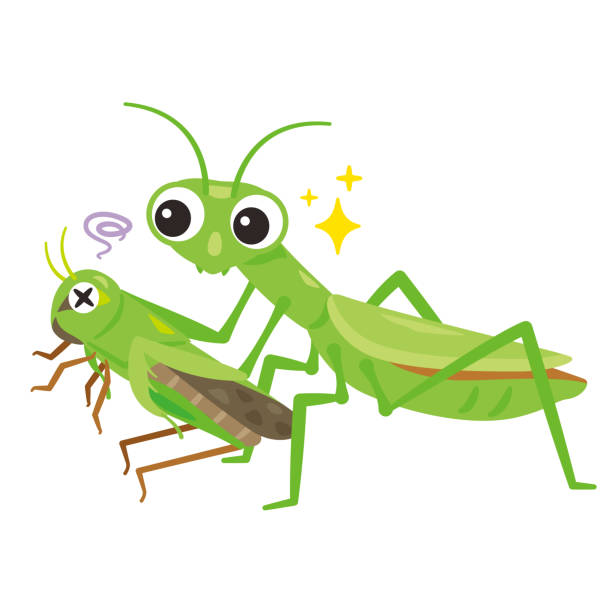
Praying mantis. Predatory insect. Vector illustration isolated on white background

The life-cycle of mantis. Predatory insects. Eat insects for food.

A comprehensive collection of insect and bug icons in black and orange, featuring detailed representations of various insects like beetles, butterflies, ants, and more. Perfect for educational, environmental, or entomology-related designs, this vector illustration is customizable for a range of applications.
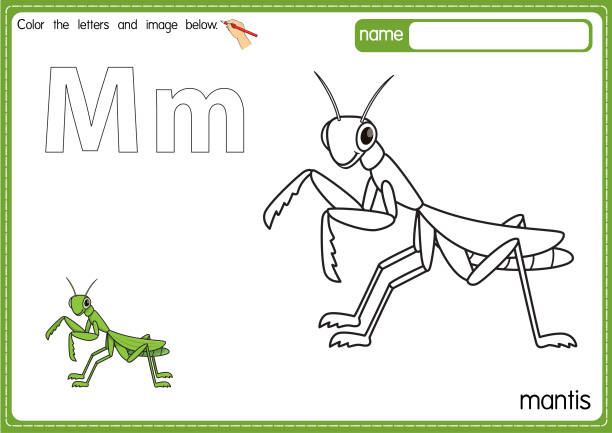
Vector illustration of educational alphabet coloring page with cartoon for kids. Uppercase and lowercase letter for coloring, tracing, writing, do-a-dot, sticker, cut and paste, kids learning page

Beetle praying mantis isolated on a white background. Vector illustration.

Illustration with black mantis insect on white background.

Danger Insect flat icons set. Sign kit of bed bug. Beetle pictogram collection includes dragonfly, fly, spider. Simple danger insect cartoon colorful icon symbol isolated on white. Vector Illustration
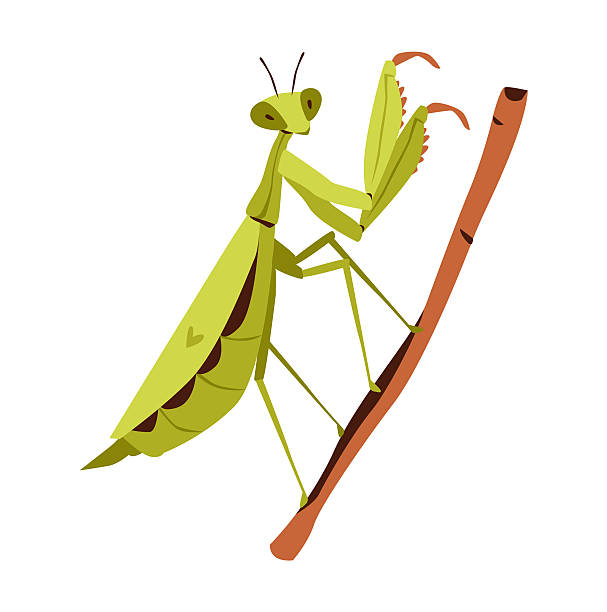
Cute praying mantis on branch with green body and antennae. Flat style vector illustration isolated on white background

Vector Illustration of Cute green mantis on white background
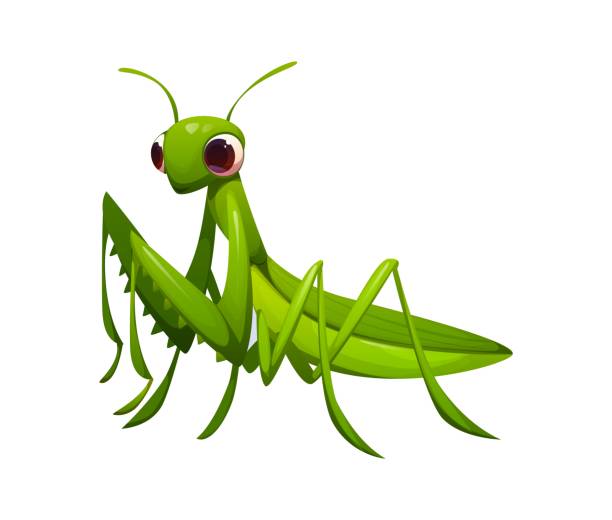
Cartoon funny mantis insect character features a vibrant green body and expressive large eyes. Isolated vector praying mantid bug or Mantis religiosa pest. Wildlife predator natural creature

Insects, crustaceans and mollusks: 1) Giant woodwasp (Urocerus gigas); 2) Pale giant horse-fly (Tabanus bovinus); 3) Forest bug (Pentatoma rufipes); 4) Water scorpion (Nepa cinerea); 5) Lantern fly, (Fulgora laternaria); 6) Antlion (Myrmeleon formicarius); 7) Praying mantis (Mantis religiosa); 8) Migratory locust (Locusta migratoria); 9) European mole cricket (Gryllotalpa gryllotalpa); 10) Brown hawker (Aeschna grandis); 11) Termite (soldier); 12) Marbled rock crab (Pachygrapsus marmoratus); 13) Edible crab (Cancer pagurus); 14) European crayfish (Astacus astacus); 15) Millipede (Julus fallax); 16) House pseudoscorpion (Chelifer cancroides); 17) Alpine scorpion (Euscorpius germanus); 18) Garden Spider (Epeira diadema); 19) Peanut worm (Sipunculus nudus); 20 a+b) Beef tapeworm (Taenia saginata); 21) Greater argonaut (Argonauta argo); 22) European common cuttlefish (Sepia officinalis). Chromolithograph, published in 1889.

Insects icons set. Editable stroke. Thin line vector icons. Green color. You can find more unique icon sets at the link: https://www.istockphoto.com/collaboration/boards/qUfvBxVnEU64XaERvnM_Fw
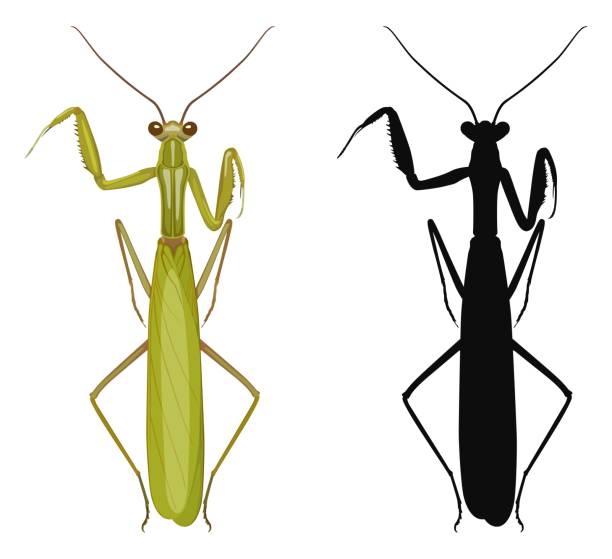
Vector illustration of colored mantis and its silhouette isolated on white background, top view. Insects

Aliens invaders from outer space captured the city and offer to surrender now!
Cartoon funny insects in frame banner with forest grass and flowers, vector background. Cute little insects frame of bumblebee or bee and grasshopper, happy snail and beetle with ladybug and spider

A vintage insect illustration from a 19th-century German book plate showcasing the coloration of various insect species. Butterflies, Moths, Locusts, beetles and other bugs

Praying mantis vector isolated on white background.

Browse our collection of praying mantis icons and get handy vectors assets for your web, apps, and other digital media platforms.

Vector icons of common garden insects: ladybug, firefly or lightning bug, centipede, praying mantis, cricket, honey bee, tiger swallowtail butterfly, common garden spider, roly poly or pill bug.

Set of insect line vector icons. Editable stroke.

Abstract praying mantis in continuous line art drawing style. Vector illustration.

Set line icons of insects isolated on white. Dragonfly, spider, cockroach, grasshopper, mosquito, caterpillar, butterfly, fly, mantis, ant, bee, wasp, mite, bumblebee, moth. Vector illustration

Set of 15 rain forest animal and plant line icons including toucan, monkey, sloth, snake, manatee, orchid, piranha, mantis, mantid, heliconia, morpho butterfly, frog, capybara, anaconda, beetle, aye-aye