
Images

Most famous landmark of Yucatan and iconic symbol of Mexico. Kukulkan is the name of a Maya snake deity that also serves to designate historical persons

Aerial view showing of the Avenue of the Dead and the Pyramid of the Sun. The Maya and Aztec city of Teotihuacan archaeological site is located northeast of Mexico City.

Egyptian hieroglyphs make an interesting background for silhouetted group of tourist archeologists

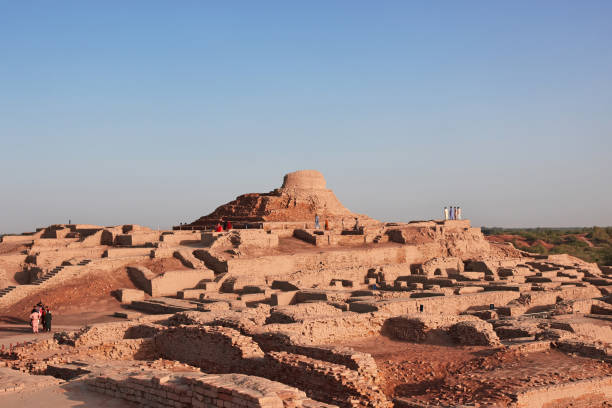
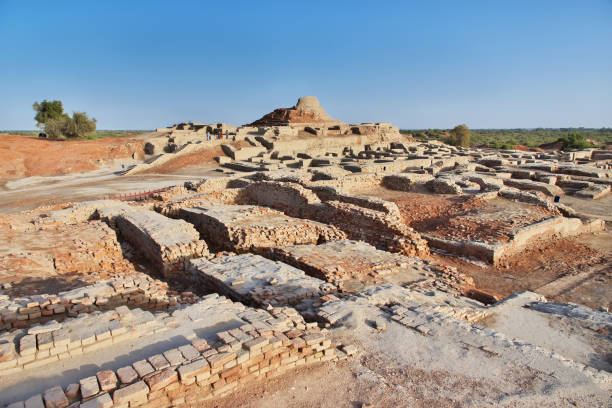
A wide distance shot of Brick walls, streets, common bath and budhist stupa of old city of mohenjo daro.
Our creative library is free of AI-generated contentChoose your visuals with confidence knowing our creative library is free from AI-generated content, so your searches only return safe, high-quality visuals you can trust.
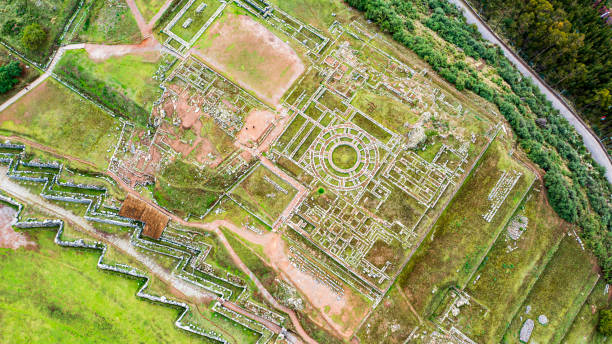

Background of Maya and Toltec signs and patternsSigns and symbols of the ancient civilizations of America.

Close up shot of cleaning fossil remains of extinct civilization from sand using professional tool and brush. Archaeologist works with bones of prehistoric human or dinosaur in archaeological lab.

Machu Picchu ruins with tourists with dramatic clouds, Machu Picchu historical Sanctuary, Cusco, Peru.


Interior of old ruined palace with columns and dome.


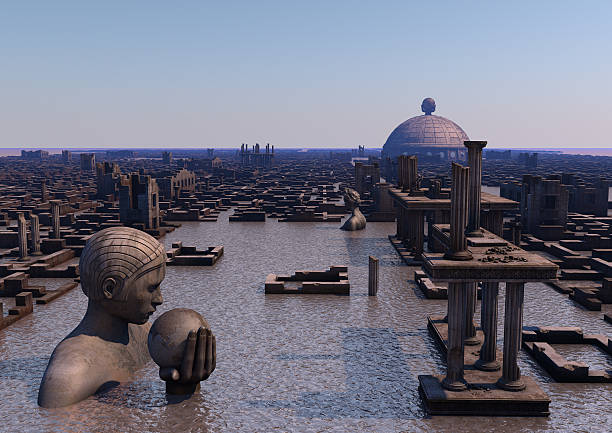
Ruins of a city. Apocalyptic landscape.3d illustration concept
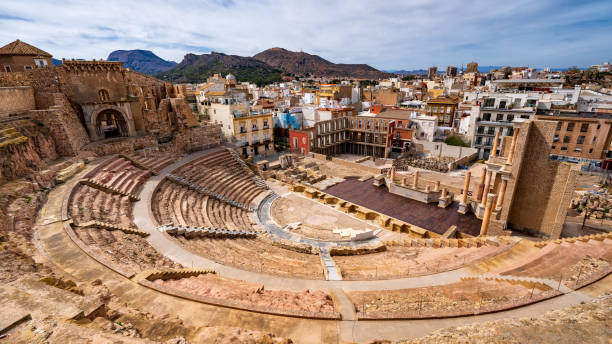
Spectacular shot of the Roman Amphitheater of Cartagena with the sea in the bac
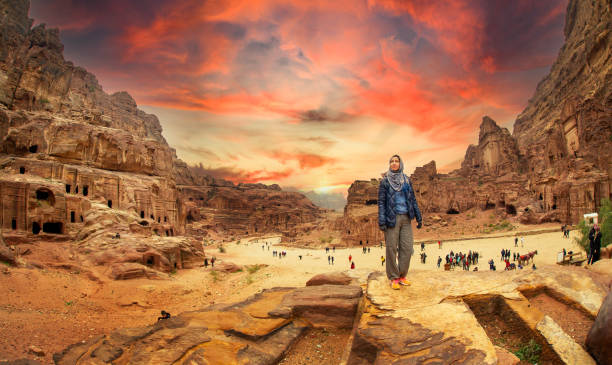
Petra JORDAN impressive architecture and historical significance, as well as its status as a UNESCO World Heritage Site. Petra is a visit destination for anyone interested in history, architecture .


Outline black icons set in thin modern design style, flat line stroke vector symbols - archeology collection

"Tang Dynasty fresco in ZhangLe princess Mausoleum.long exposure in the princess mausoleum.Thank you download this image,plese click the lightbox to see more similar portfolio:"
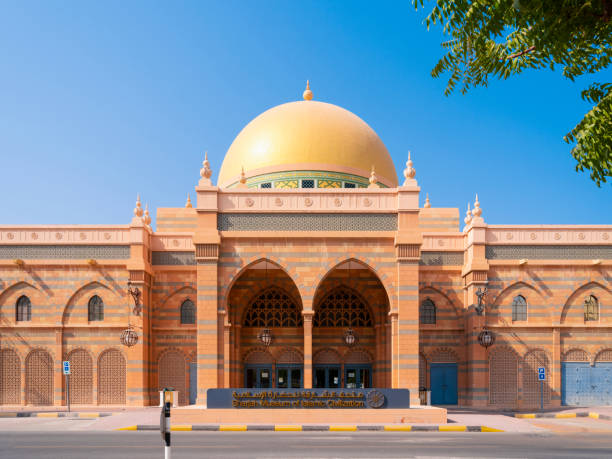
Sharjah, United Arab Emirates (UAE), 20 November 2021: The Sharjah Museum of Islamic Civilization. The museum, opened in 2008, covers Islamic culture, with more than 5,000 artifacts from the Islamic world. Objects include calligraphy, carvings, ceramics, coins, glass, manuscripts, metalwork, and scientific instruments.

The Lion Gate was the main entrance of the Bronze Age citadel of Mycenae, southern Greece. It was erected during the 13th century BC in the northwest side of the acropolis and is named after the relief sculpture of two lionesses in a heraldic pose that stands above the entrance. The Lion Gate is the sole surviving monumental piece of Mycenaean sculpture, as well as the largest sculpture in the prehistoric Aegean.

"Mural Replica of the original fresco found in aThe Temple of the Muralsai in an ancient Maya archeological site called Bonampak in Chiapas, Mexico. The painting dates from 790 A.D. and shows a war scene."

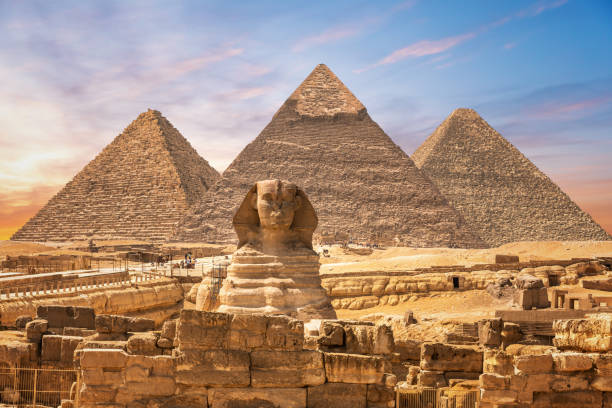
The Great Sphinx next to the Pyramids of Egypt in the sands of Giza desert.

Mexico, Chichen Itza, Yucatan. Mayan pyramid of Kukulcan El Castillo

Jiayu Pass, Jiayuguan City Pass, Jiayuguan Pass in the background of snow mountains, The first male pass in the world

Rear view of a woman with a hat while she's admiring an ancient temple in Sicily. Sunny day. Cool straw hat.
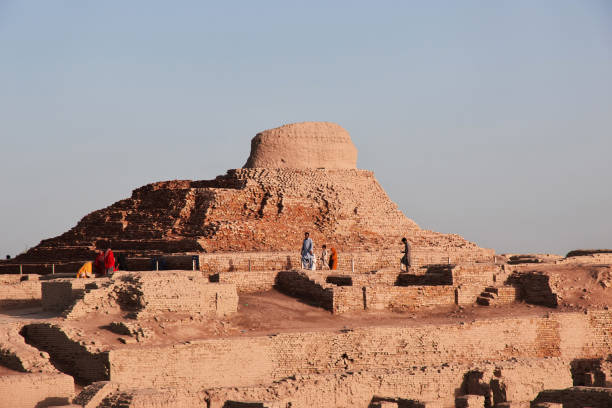
Mohenjo daro, Pakistan - 23 Mar 2021: Mohenjo daro ruins close Indus river in Larkana district, Sindh, Pakistan

A set with ancient Greek elements and athletes. In the style of ancient Greek vase painting. Black silhouettes. Watercolor illustration, hand-drawn. Isolate. For postcards, prints and posters

Bedouins riding on camels, pyramids on the background, Giza, Egypt.

Llama in front of ancient inca town of Machu Picchu
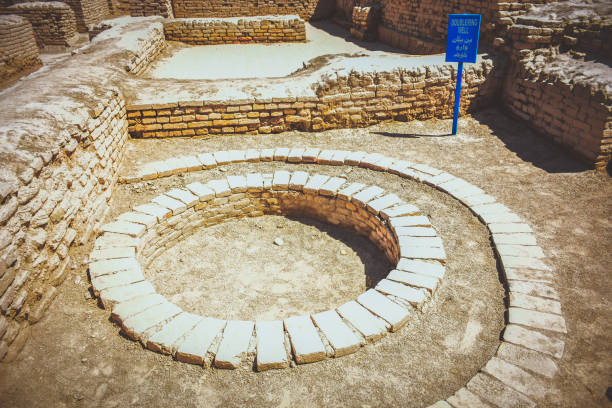
Mohenjo Daro was one of the largest cities of the ancient Indus Valley Civilization, which flourished in the Indian subcontinent between 2600 BCE and 1900 BCE. It is located in the modern-day province of Sindh, Pakistan.
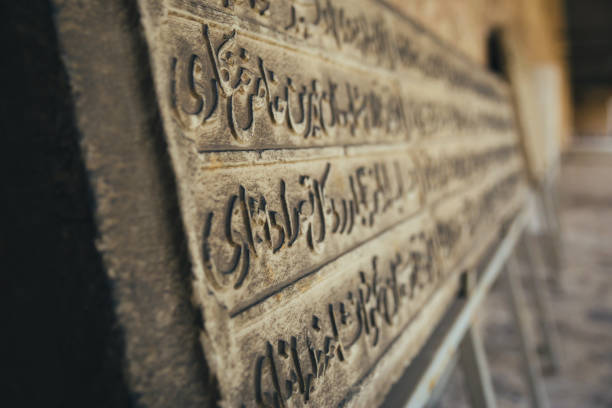
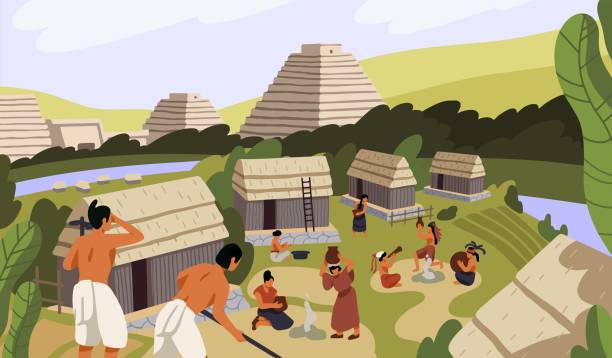
Ancient Mayan village with huts. Maya civilization life. Native American, Indian tribe cooking, working. Aztec pyramids, religion. Mexican landscape with tribal buildings. Flat vector illustration.


The Acropolis of Athens, Greece, with the Parthenon Temple on top of the hill during a summer sunset

Ancient roman people. Civilian population pastime, greek male and female characters in tunics, cypresses trees, coliseum and amphitheater columns, temple, vector cartoon flat style isolated concept


Greek culture set. Collection of silhouettes of men with shields and weapons. Antique dishes and columns. Warriors in helmets fight. Cartoon flat vector illustrations isolated on white background
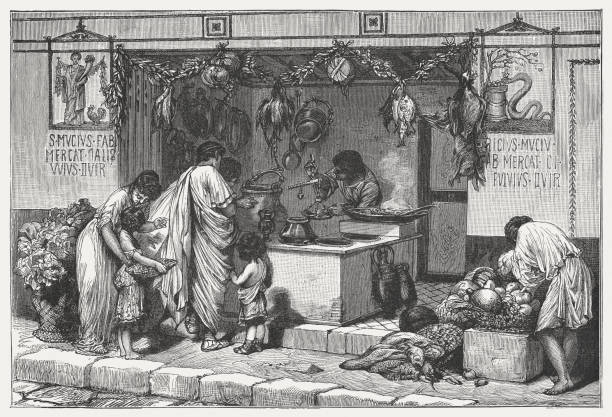
Scene from Ancient Rome: Delicatessen business with food. Wood engraving, published around 1895.
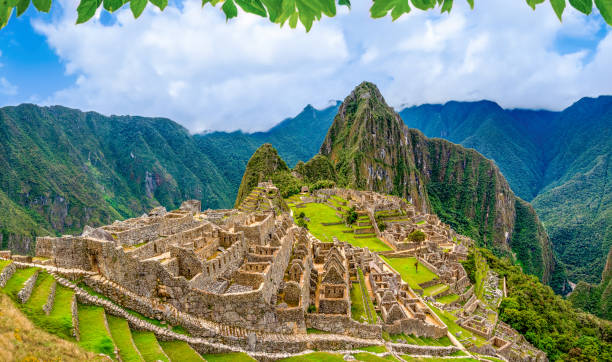
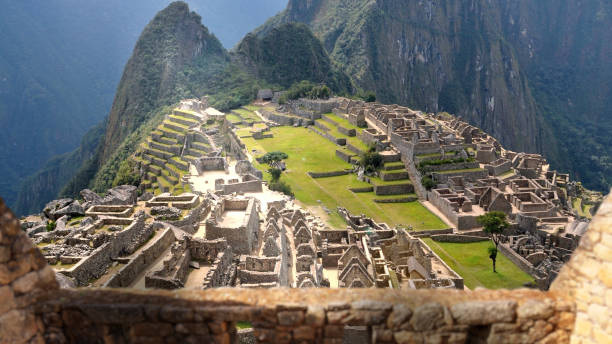
Machu Picchu, Aguas Calientes, Peru: Machu Picchu is a 15th-century Inca citadel located in the Eastern Cordillera of southern Peru on a 2,430-meter (7,970 ft) mountain ridge. It is located in the Machupicchu District within Urubamba Province above the Sacred Valley, which is 80 kilometers (50 mi) northwest of Cusco. The Urubamba River flows past it, cutting through the Cordillera and creating a canyon with a tropical mountain climate.Archaeologists believe that Machu Picchu was constructed as an estate for the Inca emperor Pachacuti (1438–1472). Often referred to as the "Lost City of the Incas", it is the most familiar icon of Inca civilization. The Incas built the estate around 1450 but abandoned it a century later, at the time of the Spanish conquest.
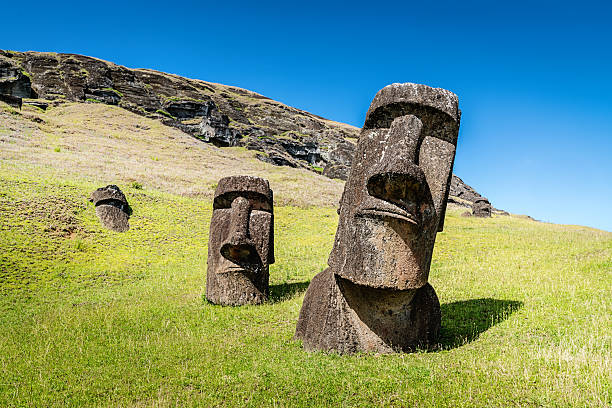
Easter Island Moai Statues at Rano Raraku under sunny summer sky. Rano Raraku, Rapa Nui National Park, Hanga Roa, Easter Island, Chile.

Ancient Babylonia and Assyria sculpture painting from Mesopotamia

Archaeological excavations, archaeologists work, dig up an ancient clay artifact with special tools in soil

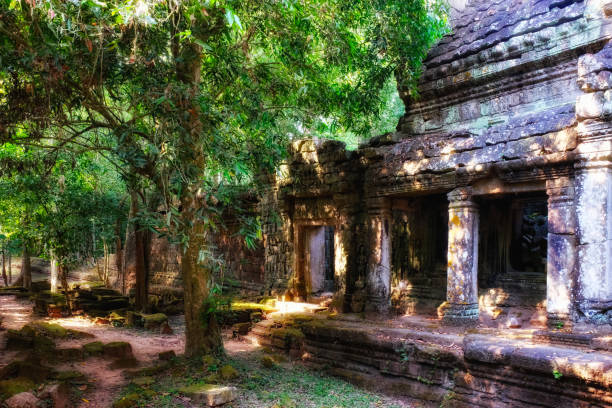


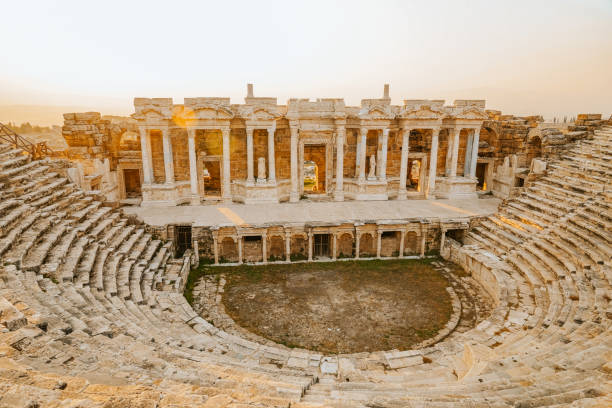
Denizli, Turkey. Ruins of a large amphitheater in the ancient city of Hierapolis near Pamukkale. Colonnade on the main street of ancient ruined city Hierapolis in Turkey.


of100Next