
Images
Bristle Worm Images and Stock Photos
Browse 1,300+ bristle worm stock photos and images available, or search for bristleworm or centipede to find more great stock photos and pictures.
Related searches:


A Fire Worm Hermodice carunculata at Reqqa Point, North Gozo Island, Malta, Mediterranean Sea

Polychaeta Smooth tubeworm or red-spotted horseshoe (Protula tubularia) undersea, Aegean Sea, Greece, Halkidiki, Pirgos beach

Our creative library is free of AI-generated contentChoose your visuals with confidence knowing our creative library is free from AI-generated content, so your searches only return safe, high-quality visuals you can trust.


Abstract Sea life Fire worm, Bearded Fire-worm and Orange Gorgonian coral from scuba diver point of view Close up, blue background. Underwater photography



Hermodice carunculata, the bearded fireworm, is a type of marine bristleworm belonging to the Amphinomidae family


Worms: a) Coenurus cerebralis (left: enlarged part); b) Large roundworm (Ascaris lumbricoides); c) Guinea worm (Dracunculus medinensis); d) Pork tapeworm (Taenia solium); e) Common earthworm (Lumbricus terrestris); f) Medicinal leech (Hirudo medicinalis); g) Horse-leech (Haemopis sanguisuga); h) Tooth shell (Antalis entalis); i) Calcareous tubeworm (Serpula vermicularis ); k) Polychaete worm (Perinereis cultrifera); l) Sea mouse (Aphrodita aculeata); m) Beaked nais (Nais proboscidea); n) Green hydra (Hydra viridissima); o) Red dead man's fingers (Alcyonium palmatum); p) Bath sponge (Spongia officinalis). Chromolithograph, published in 1882.


underwater photo of a Serpula vermicularis aka tube worm aka fan worm in the mediterranean sea
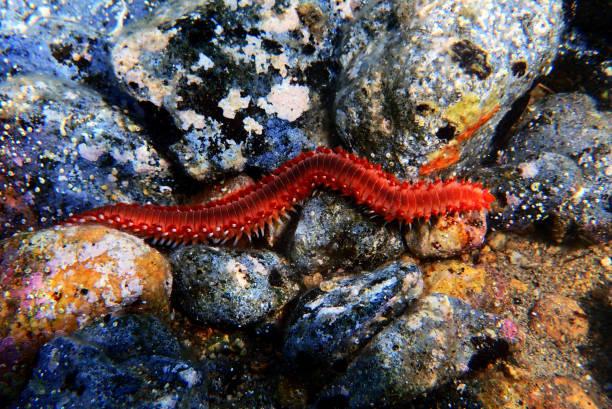
Amphinomidae, also known as the bristle worms or sea mice, are a family of marine polychaetes, many species of which bear chaetae mineralized with carbonate. The best-known amphinomids are the fireworms, which can cause great pain if their toxin-coated chaetae are touched or trodden on. Their relationship to other polychaete groups is somewhat poorly resolved.


Bearded fireworm (Hermodice carunculata) on the seabed of the mediterranean sea

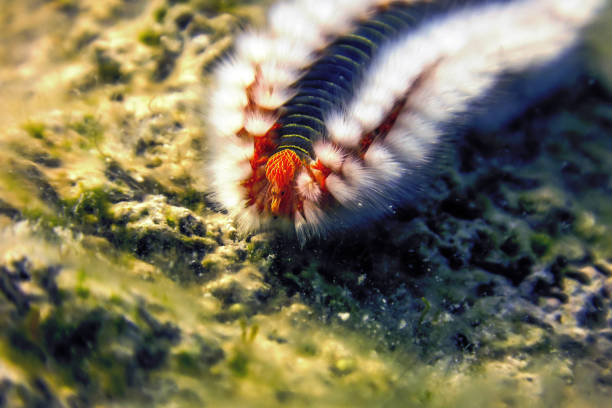
Bearded Fireworm (Hermodice carunculata) Underwater Mediterranean Sea

Spirobranchus giganteus, Christmas tree worms extended on coral reef


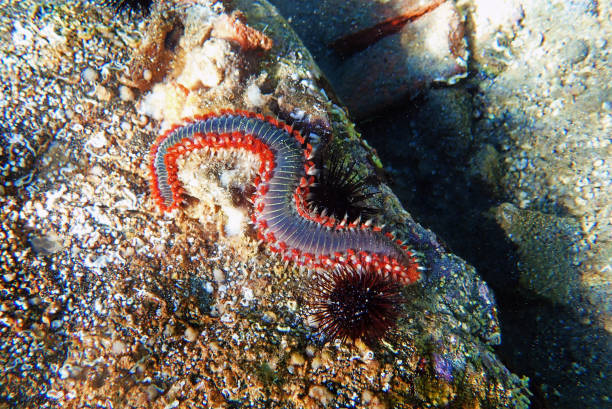
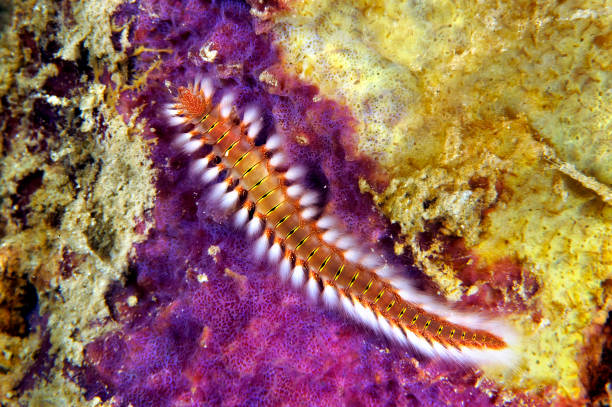
A beautiful but dangerous bristle fireworm crawls on a patch of purple sponge feeding. This is a very venomous worm and they use it to defend themselves.


Tubeworm, Fan Worm, Spirographis, Spirographis Spallanzani, Feather Duster Worms, Tube Worm, Polychaete, Cabo Cope Puntas del Calnegre Regional Park, Mediterranean Sea, Murcia, Spain, Europe
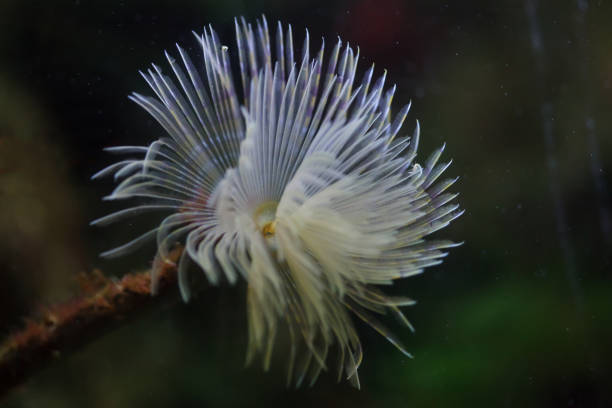
Mediterranean fanworm (Sabella spallanzanii), also known as the feather duster worm.

Hermodice carunculata, the bearded fireworm, is a type of marine bristleworm belonging to the Amphinomidae family


Hermodice carunculata, the bearded fireworm, is a type of marine bristleworm belonging to the Amphinomidae family


Spirobranchus giganteus, commonly known as Christmas tree worms, are tube-building polychaete worms belonging to the family Serpulidae.


Close-up a few just caught sandworms or Alitta virens worms displayed on the sludge from the bottom of the North Sea at low tide.

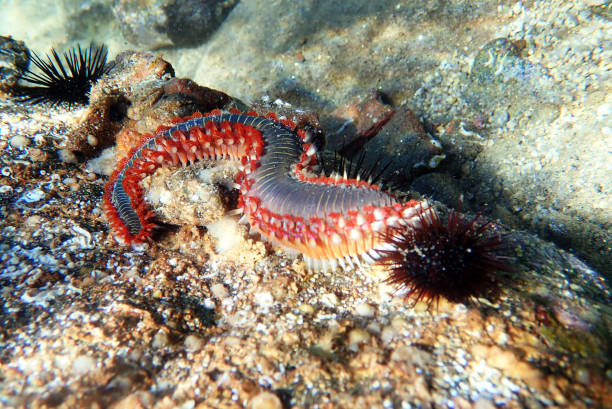
Fire Worm Hermodice carunculata on a coral in natural habitat off the coast of Croatia, Adriatic sea, Mediterranean with spikes extended

Sand Worm (Perinereis sp.) is the same species as sea worms (Polychaete), Living in a beach area with relatively shallow water levels for education in laboratory.

Bristle worm (Polychaeta) moving along sandy bottom of coral reef at night

Sabella spallanzanii â beautiful but unwelcomed visitor in southern Pacific.


Bobbit Worm Eunice aphroditois occurs in the tropical Indo-Pacific and Atlantic in a depth range from 1-200m. This bentic Bristle Worm can reach a length of 3m. Its an ambush predator; it hunts by burrowing its whole body in soft sediment on the ocean floor and waiting until its antennae detect prey. It then strikes with its sharp mandibles. The bristles of this bristle worm are not legs in the manner of articulated ambulatory attachments, but the muscles to which they are attached are powerful, lending them the ferocious speed with which they are able to exit their lairs.The Bobbit Worm is an omnivore, feeding on small fish and other worms, as well as detritus, seaweed, and other macroalgae. They are mostly nocturnal and do the majority of the hunting at night. During the day they retreat to their burrow, but if hungry enough will hunt during the daytime also.Lembeh Strait, Indonesia 1°29'32.881 N 125°14'12.8996 E at 13m depth by night

a small hermit crab climbed on top of a marine worm

Spirobranchus giganteus, Christmas tree worms extended on Caribbean coral reef

Cute semipalmated plover at the end of summer during shorebirds migration

Underwater photo from a scuba dive at the Canary islands.


Sabellidae, or feather duster worms, are a family of marine polychaete tube worms

Amphinomidae, also known as the bristle worms or sea mice, are a family of marine polychaetes, many species of which bear chaetae mineralized with carbonate. The best-known amphinomids are the fireworms, which can cause great pain if their toxin-coated chaetae are touched or trodden on. Their relationship to other polychaete groups is somewhat poorly resolved.

bearded fireworm, Hermodice carunculata, is a type of marine bristleworm belonging to the Amphinomidae family
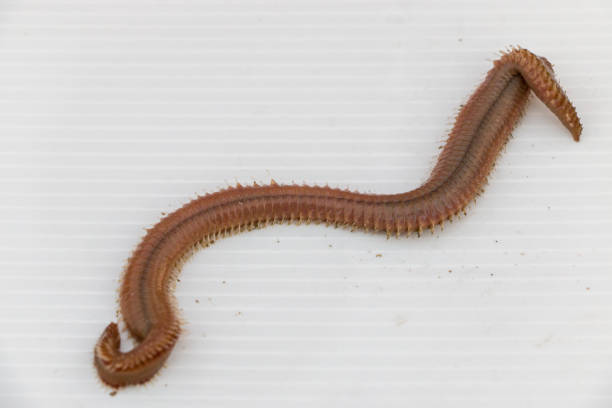

Fire Worm Hermodice carunculata in natural habitat off the coast of Croatia, Adriatic sea, Mediterranean with spikes extended
of23Next