Images
Browse 1,100+ Flesh Fly stock photos and images available, or search for god light to family to find more great stock photos and pictures.

Close-up of a flesh fly resting on a green leaf, illustrating hygiene risks, contamination and disease transmission in urban and rural environments

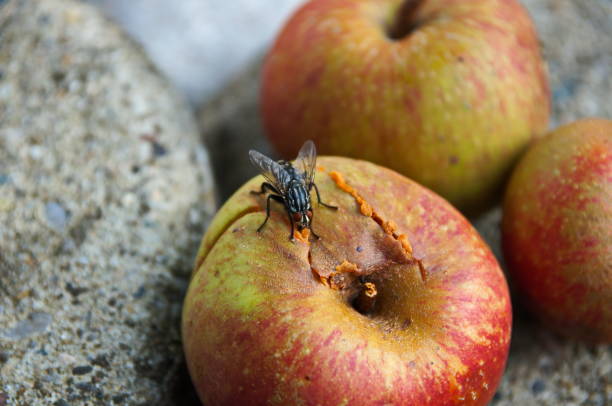
Bavaria, Germany. Flesh fly Sarcophaga carnaria feeding on decaying apple.
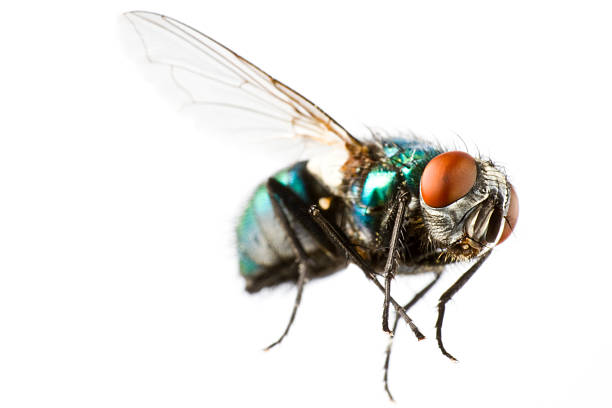
flying house fly in extreme close up on white background
Our creative library is free of AI-generated contentChoose your visuals with confidence knowing our creative library is free from AI-generated content, so your searches only return safe, high-quality visuals you can trust.
Military and marine uniform camouflage patterns. Vector army combat camo seamless fabric pattern set
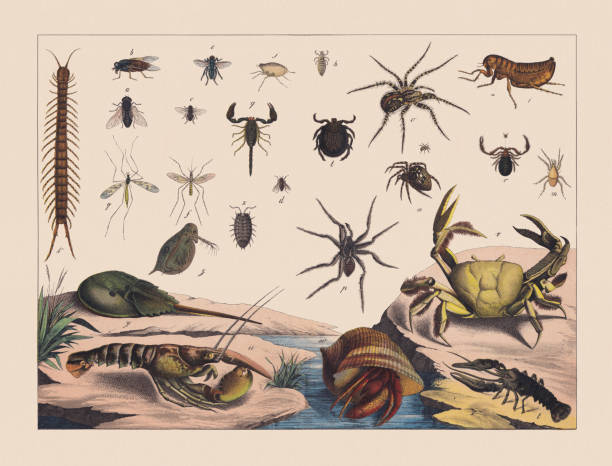
Double-wings insects (Diptera), wingless insects (Apterygota), spiders (Arachnida) and crabs (Crustacea): a) Throat bot fly (Gasterophilus nasalis); b) Pale giant horse-fly (Tabanus bovinus); c) Stable fly (Stomoxys calcitrans); d) Housefly (Musca domestica); e) Flesh fly (Sarcophaga carnaria); f) House mosquito (Culex pipiens); g) Crane fly (Tipula paludosa); h) Head louse (Pediculus humanus capitis); i) Human flea (Pulex irritans); j) Jigger flea, or sand flea (Tunga penetrans); k) Tanzanian blue ringleg (Scolopendra morsitans); l) Castor bean tick (Ixodes ricinus); m) Parasitus coleoptratorum; n) European garden spider (Araneus diadematus); o) Barn funnel weaver (Tegenaria domestica); p) Tarantula wolf spider (Lycosa tarantula); q) Yellow scorpion (Buthus occitanus); r) House pseudoscorpion (Chelifer cancroides); t) European crayfish (Astacus astacus); u) European lobster (Homarus gammarus); v) Purple land crab (Gecarcinus ruricola); w) Hermit crab (Pagurus bernhardus); x) Woodlouse (Oniscus asellus); y) Limulus amebocyte lysate; z) Water flea (Daphnia pulex)). Chromolithograph, published in 1882.

The fly is cleaning its mouth

Photomicrograph of a secondary screwworm (Cochliomyia macellaria) larva wet mount. Commonly called a maggot or flesh fly and a parasite of livestock. Magnification is 50x.
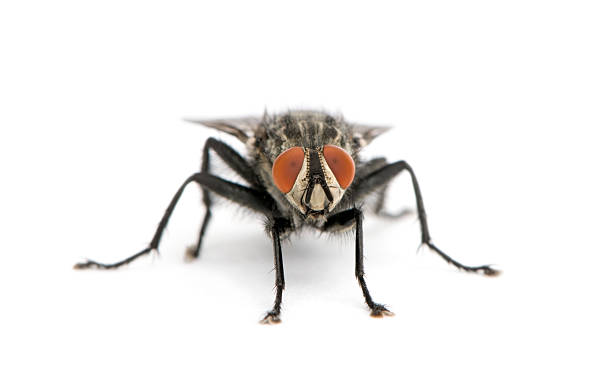

Flesh fly , close-up, macro, white background, details, insects, art

Sarcophaga carnaria Common Flesh Fly Insect. Digitally Enhanced Photograph.

Larvae of flies on meat. Housefly (Musca domestica) maggots. maggot, larva. Life cycle of flies and their role in disposing of dead bodies. Insects, Insect. House fly. animals, animal. Wild nature

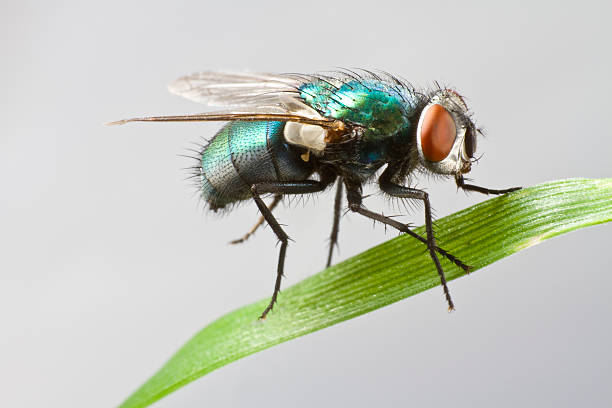
house fly in extreme close up sitting on green leaf. Picture taken before grey background.


Close-up - burn of a man's hand with hot water of the second degree. The skin is swollen with blisters. 4k

side view of house fly in extreme close up
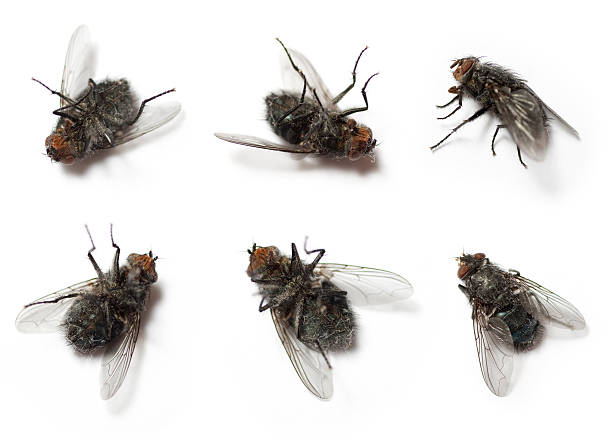

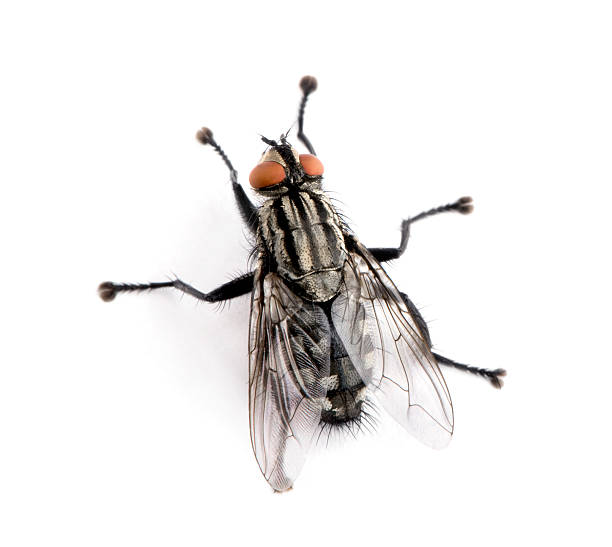
This is a flesh fly (family Sarcophagidae). They are similar in appearance to house flies but are typically larger.

Close-up of a parasitic flesh fly with a striped back and red eyes on a rough cement surface during daytime.

mushroom with dots icon image vector illustration design

Flesh Fly - a carrion fly that feeds on rotting meat. Its Latin name: Sarcophaga carnaria, says it all. They differ from most flies in that they are ovoviviparous, opportunistically depositing hatched or hatching maggots instead of eggs on carrion, dung, decaying material, or open wounds of mammals.
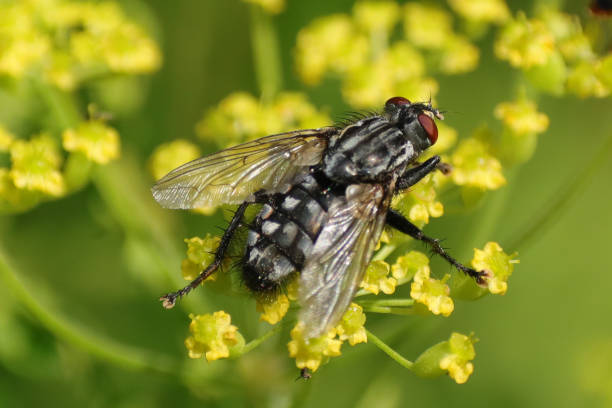
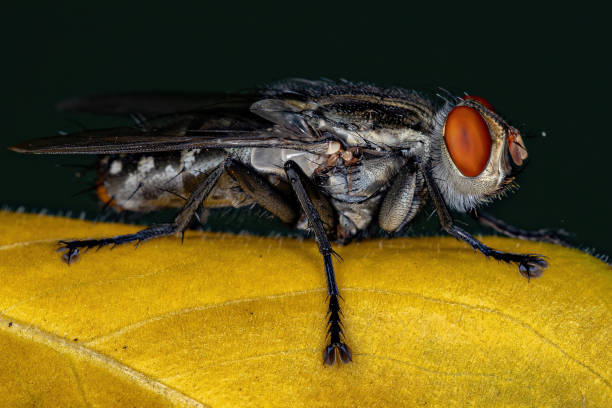
Adult Flesh Fly of the Family Sarcophagidae

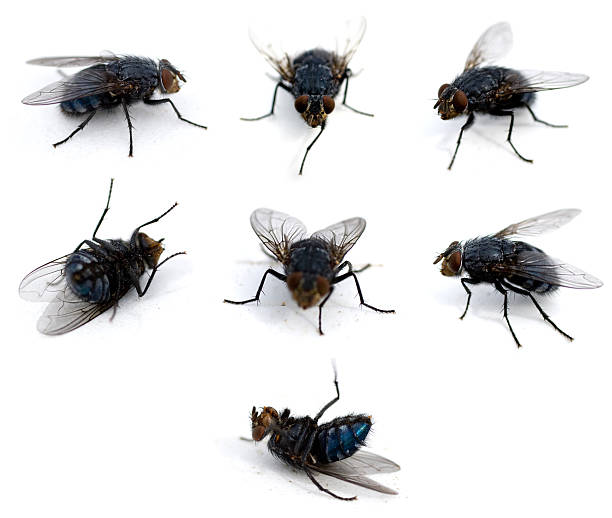
Collection of flies isolated on white
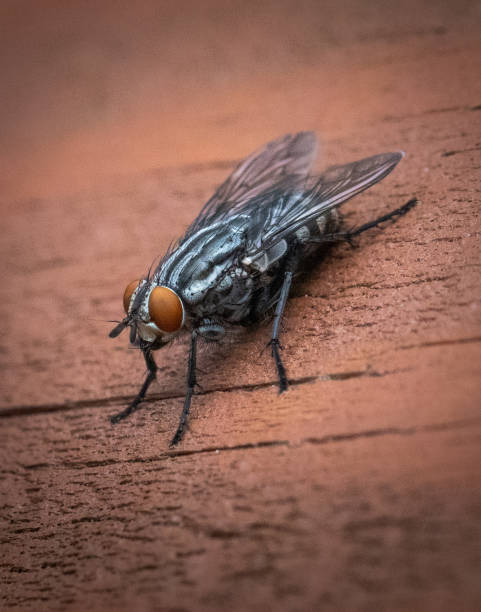
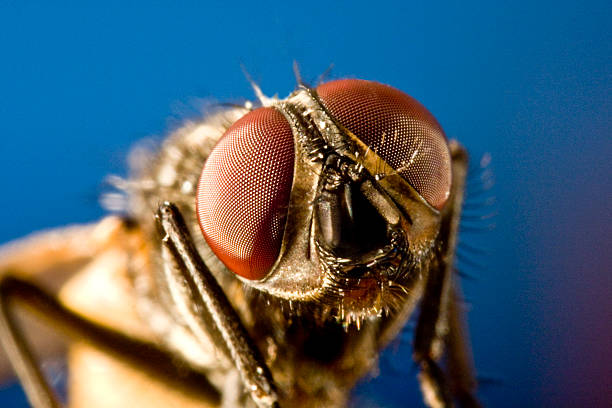
Closeup of a Flesh Fly with its compound eyes

Elevated side-front full-body view of a flesh-fly sitting on a blade of grass and preening on the forelegs (Latin: Sarcophaga nodosa) in front of green blurred background.


Sarcophagidae are a family of flies commonly known as flesh flies. They differ from most flies in that they are ovoviviparous, opportunistically depositing hatched or hatching maggots instead of eggs on carrion, dung, decaying material, or open wounds of mammals, hence their common name.

A fly, isolated on a clean white background.
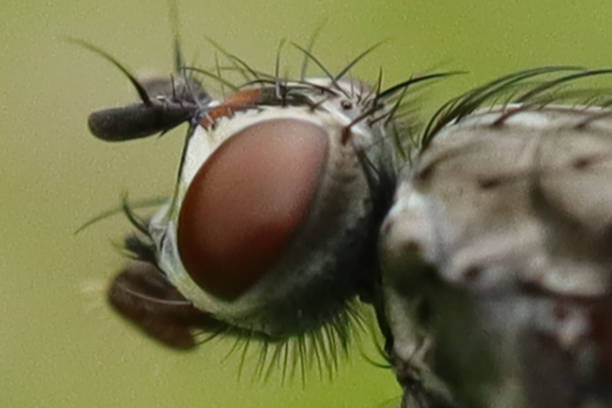
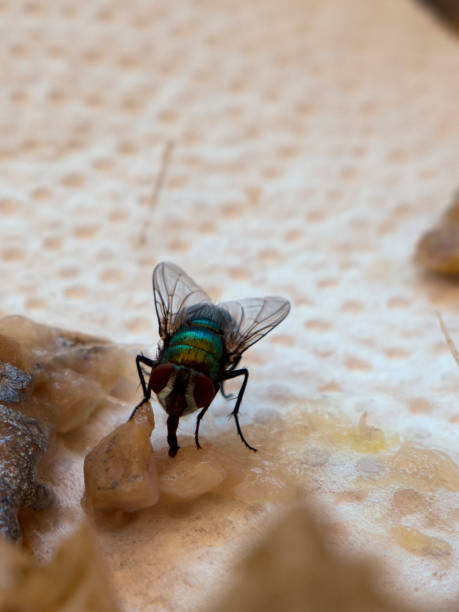

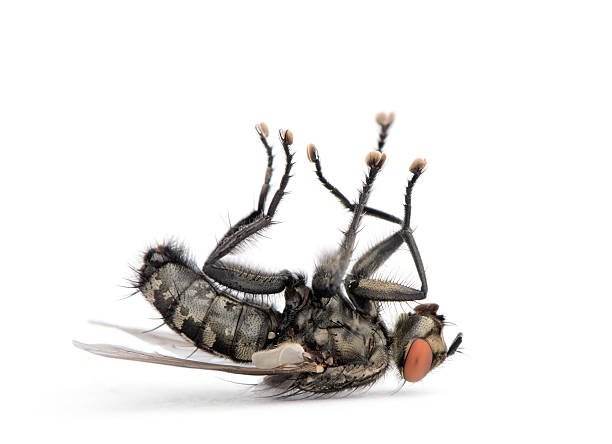
Different dead horse flys on light background with drop shadow
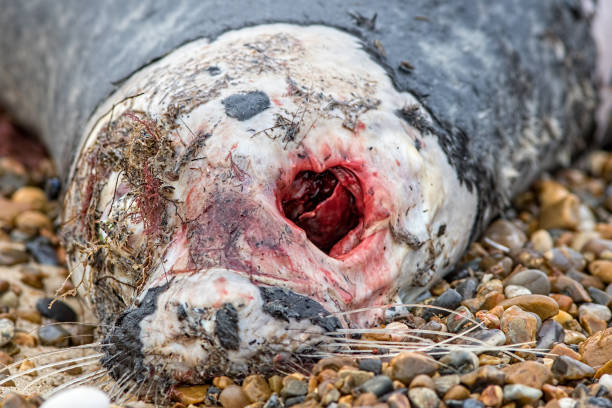
Zombie looking dead animal. Seal corpse remains with bloody eye socket. Gory and gruesome halloween image.
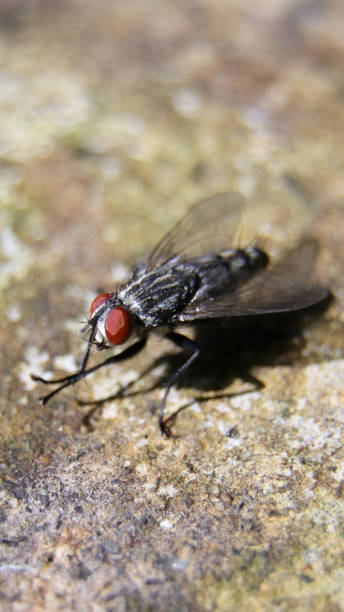
vertical macro shot of a common flesh fly having a black and white body and red eyes sitting on the floor and rubbing its hands during a bright sunny morning
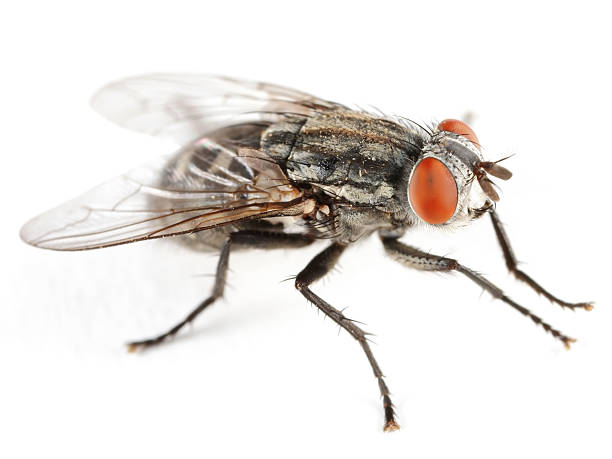

fly on yellow flowers

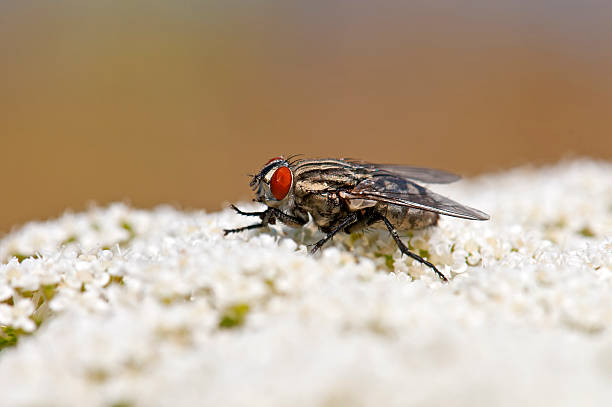

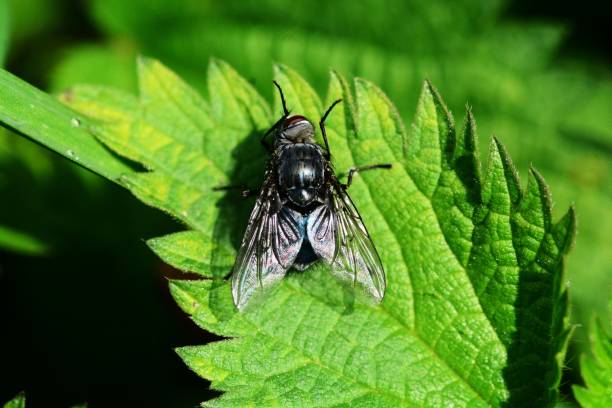
Close up a black fly on the leaf.

Flesh Fly (Sarcophagidae) biting human skin.

Composite image with whole and halved exotic fruits - peach and passion fruit isolated on white background. With clipping path.

Fly, housefly (Musca domestica), Top down view,Vector illustration isolated on white background
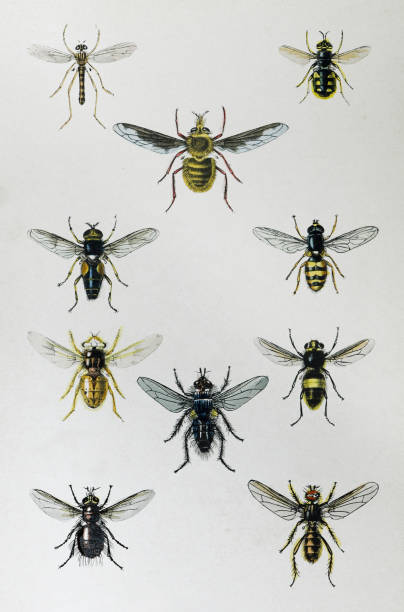
Vintage color illustration - Mosquito and fly (Diptera) collection


![Flesh Fly [Sarcophagidae] Flesh Fly on Blackberry Blossom Flesh Fly stock pictures, royalty-free photos & images](https://media.istockphoto.com/id/2163793336/photo/flesh-fly-sarcophagidae.jpg?s=612x612&w=0&k=20&c=7UKriF66OLpMe16LkoiU7UKCbbjB3yvtG0Ut8qdwkJE=)

Image of flesh fly, likely belonging to the genus Sarcophaga.


Close-up view of a flesh fly revealing intricate details and vibrant red eyes, resting on a bright green leaf in a lush natural environment, highlighting the beauty of wildlife

Macro animal photography. Animal living organism. Gardening and plant.

flesh fly macro shot, focus stacking image (Sacrophaga carnaria)
of20Next