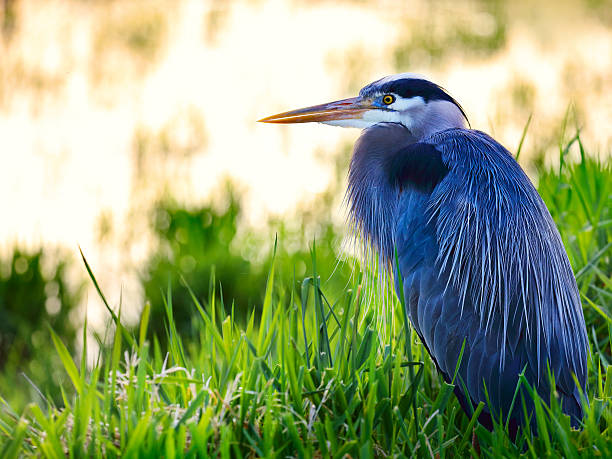
Photo taken at the Little Estero Critical Wildlife Area at Fort Myers Beach, Florida.
Browse 29,800+ Great Blue Heron stock photos and images available, or start a new search to explore more stock photos and images.
Photo taken at the Little Estero Critical Wildlife Area at Fort Myers Beach, Florida.

Closeup of a Great Blue Heron standing majestically on a log in the water gazing out over the Chesapeake bay in Maryland
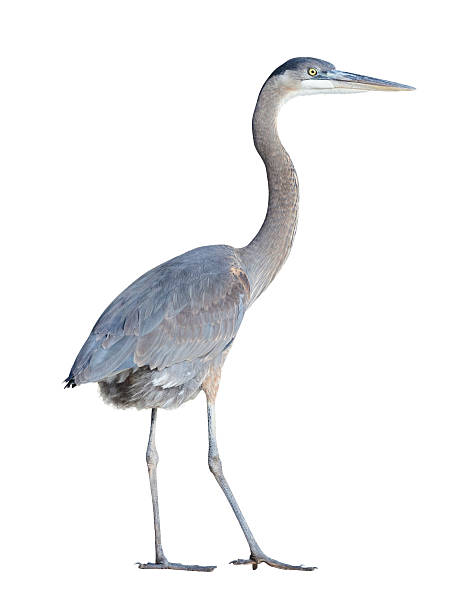
Great Blue Heron (Ardea herodias) on a white background with a clipping path
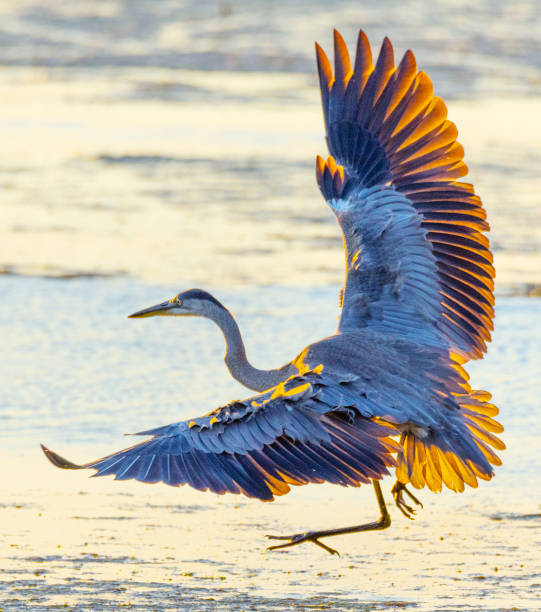
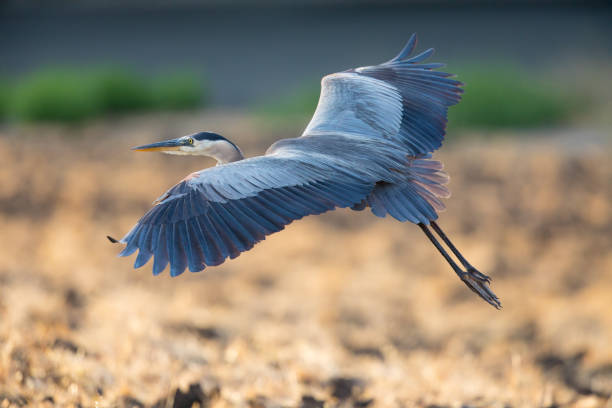
Great blue heron flying low, feathers ruffled in brisk wind as he gets ready to land.
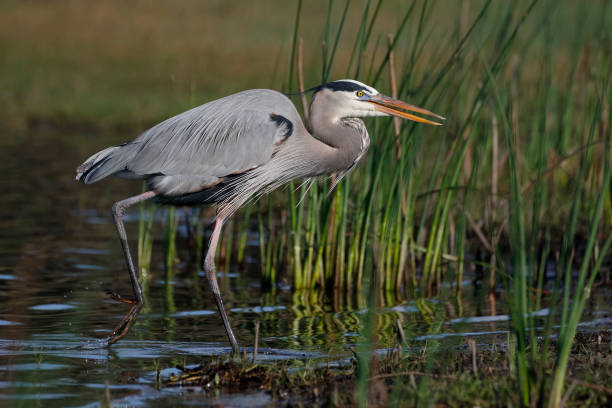
Great Blue Heron (Ardea herodias) stalking its prey - Myakka River State Park, Florida

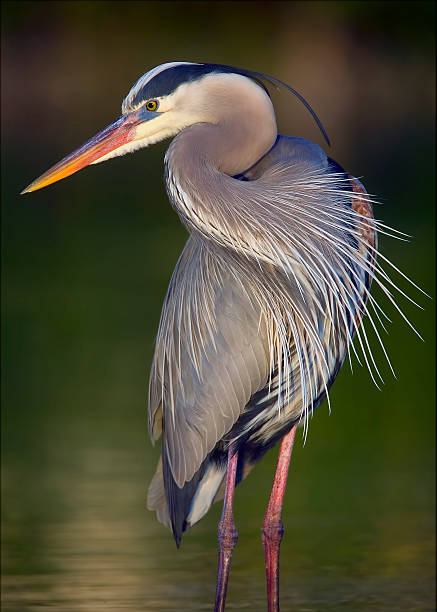
Great blue heron on the dock area at San Carlos swith feathers blown by the wind
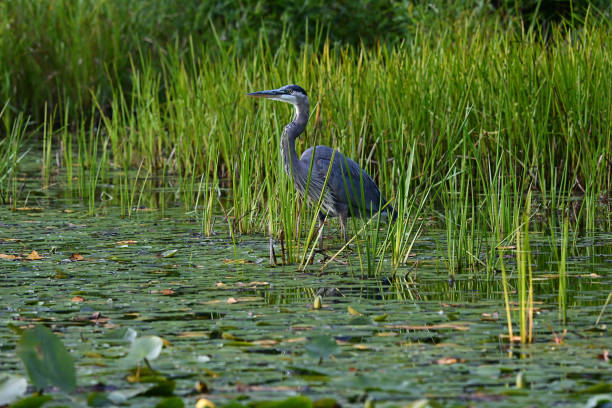
Great blue heron in New England lily pond on a midsummer evening
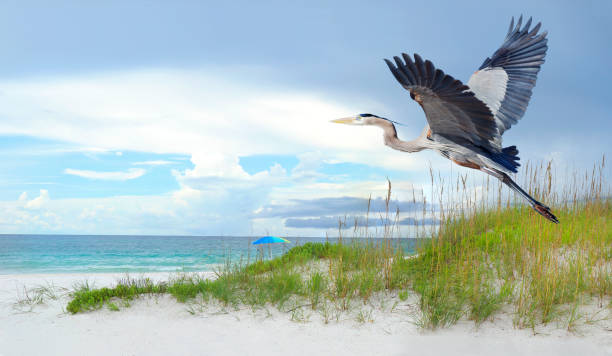
Closeup of a Great Blue Heron Taking Off From a Beautiful White Sand Beach with Sea Oats on a Cloudy Day

Stylized Great Blue Heron
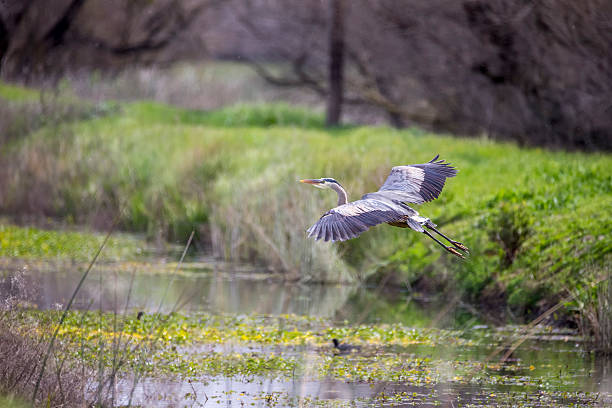
Great Blue Heron at Merced Wildlife Refuge.
Vector silhouette illustration of a Great Blue Heron and Cat Tails.

A Great Blue Heron, Ardea herodias, flushed from its hunting spot flies away to safer areas in the pea island waterfowl sanctuary in the nags head national seashore recreational area of the NC outer banks

A vibrant illustration of mangrove birds in a cartoon-like vector art

A great blue heron perched on a log in the middle of a lake is seconds away from flight. Taken near Blairstown, NJ with a Nikon D100.

Blue heron at Bayport Park. Florida
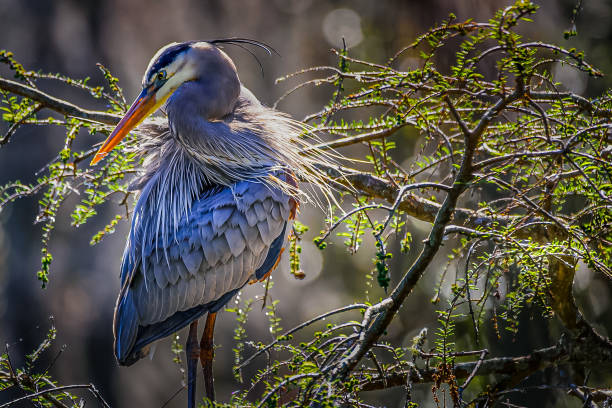
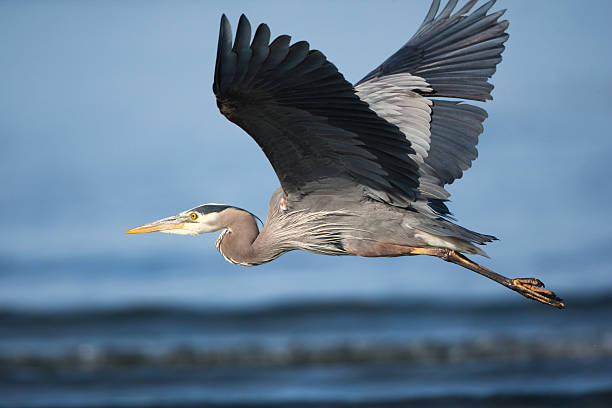
A beautiful side profile of a Great Blue Heron enjoying a warm summer breeze.

A wetland pond with a great blue heron wading in the water with a catfish it just caught. Moving to the shore to position the fish for swallowing. In late autumn. Edited for minor flaws.

A Great Blue Heron with wings spread wide flies back to the nest with wet nest building materials. An adult Great Blue Heron against native grasses and cattails along the Viera wetland. The birds build nests with various decaying material to add structure to the next. A Florida bird natural history image in vibrant color.

A great blue heron in Quebec's boreal forest in the spring.

A great blue heron in flight over a pond in a park

Great blue heron flying over a marsh

A vector illustration of a Heron bird.

Close-up of Great Blue Heron flying past on a misty morning

Selective focus on a Great blue heron in a pond, Ardea Herodias
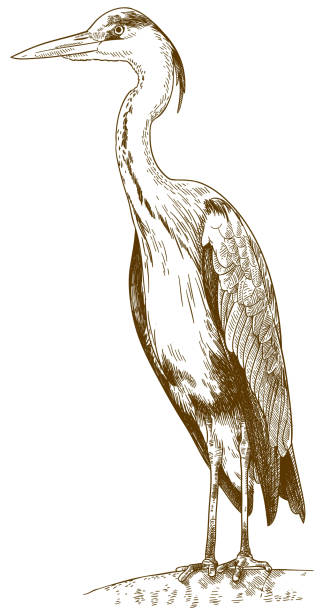
Vector antique engraving drawing illustration of great blue heron (ardea herodias) isolated on white background

Pair of Great Blue Herons on standing face to face on nest

Blue Heron Bird Wades Through a Pond on a Summer Day

Blue Heron. Photo taken in Edison, Washington State.Blue Heron landing. Photo taken in Edison, Washington State.
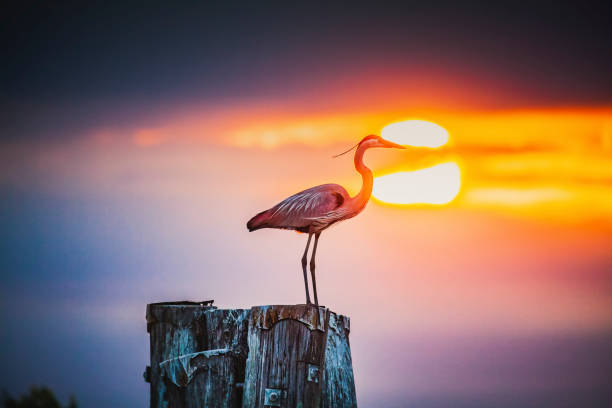
Great Blue Heron scanning the water for fish in Okeechobee, Florida, United States
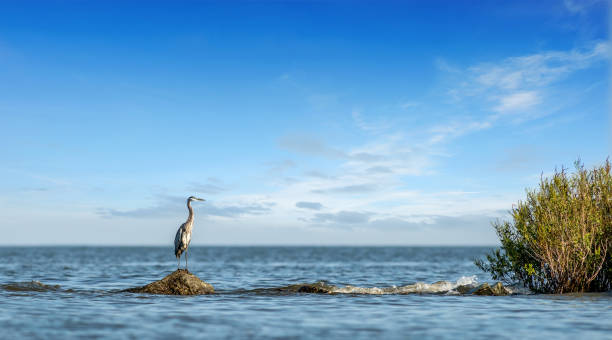
Great Blue Heron majestically standing on a rock jetty looking out over the Chesapeake Bay in Maryland on a clear sunny day
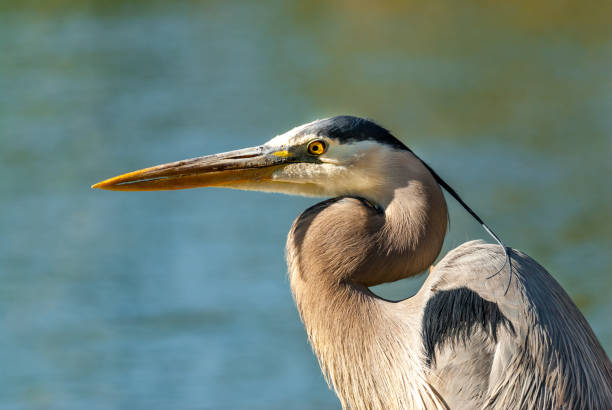
The Great Blue Heron (Ardea herodias) is a large wading bird common near open water and wetlands in North America, Central America, the Caribbean and the Galápagos Islands. It is the largest of the heron family native to North America. Blue herons are distinguished by slate-blue colored flight feathers, long legs and a long neck which is curved in flight. The face and head are white with black stripes. The long-pointed bill is a dull yellow. The great blue heron is found throughout most of North America from Alaska through Florida, Mexico, the Caribbean and South America. East of the Rocky Mountains herons are migratory and winter in the coastal areas of the Southern United States, Central America, or northern South America. Great blue herons thrive in almost any wetland habitat and rarely venture far from the water. The blue heron spends most of its waking hours hunting for food. The primary food in their diet is small fish. It is also known to feed opportunistically on other small prey such as shrimp, crabs, aquatic insects, rodents, small mammals, amphibians, reptiles, and birds. Herons hunt for their food and locate it by sight. Their long legs allow them to feed in deeper waters than other waders are able to. The common hunting technique is to wade slowly through the water and spear their prey with their long, sharp bill. They usually swallow their catch whole. The great blue heron breeds in colonies called rookeries, located close to lakes and wetlands. They build their large nests high up in the trees. This heron was photographed while hunting by Walnut Canyon Lakes in Flagstaff, Arizona, USA.

Great Blue Heron amongs reedbeds in a mountain wetland, British Columbia Canada
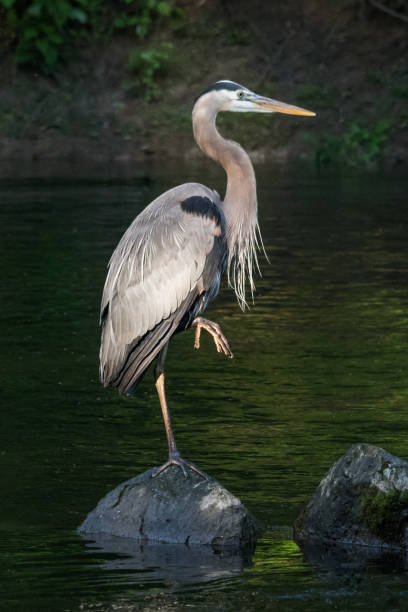
Familiar pose for the great blue heron as it stands on one leg perched on a stone in mid-river

Great Blue Heron standing on a small island while fishing in a pond near the Chesapeake bay

Nest building and mating activities during western USA springtime for Great Blue Herons

Great Blue Heron found in a small wetlands pond located on Vancouver Island, British Columbia

Beautiful blue heron fishing in Sauble Falls. Slow exposure of the waterfall and steady enough to capture a crisp pictures of the heron.

Great Blue Heron eating a frog in a pond

Great Blue Heron found in a small wetlands pond located on Vancouver Island, British Columbia

The Great Blue Heron (Ardea herodias) is a large wading bird common near open water and wetlands in North America, Central America, the Caribbean and the Galápagos Islands. It is the largest of the heron family native to North America. Blue herons are distinguished by slate-blue colored flight feathers, long legs and a long neck which is curved in flight. The face and head are white with black stripes. The long-pointed bill is a dull yellow. The great blue heron is found throughout most of North America from Alaska through Florida, Mexico, the Caribbean and South America. East of the Rocky Mountains herons are migratory and winter in the coastal areas of the Southern United States, Central America, or northern South America. Great blue herons thrive in almost any wetland habitat and rarely venture far from the water. The blue heron spends most of its waking hours hunting for food. The primary food in their diet is small fish. It is also known to feed opportunistically on other small prey such as shrimp, crabs, aquatic insects, rodents, small mammals, amphibians, reptiles, and birds. Herons hunt for their food and locate it by sight. Their long legs allow them to feed in deeper waters than other waders are able to. The common hunting technique is to wade slowly through the water and spear their prey with their long, sharp bill. They usually swallow their catch whole. The great blue heron breeds in colonies called rookeries, located close to lakes and wetlands. They build their large nests high up in the trees. This heron was photographed while hunting by Walnut Canyon Lakes in Flagstaff, Arizona, USA.

Great Blue Heron in flight isolated on a white background

A Great Blue Heron along the coast near Pebble Beach in California.

Widespread and familiar, the largest heron in North America. Often seen standing silently along inland rivers or lakeshores.