
Roman soldier from 5th century with pilum and shieldOriginal edition from my own archivesSource : Weltgeschichte 1887
Browse 120+ ancient roman helmets pictures stock illustrations and vector graphics available royalty-free, or start a new search to explore more great stock images and vector art.
Roman soldier from 5th century with pilum and shieldOriginal edition from my own archivesSource : Weltgeschichte 1887

Ancient Greek ornament. Mural fresco or ceramic amphora with mythical battle of warriors with spears and shields. Depiction of historical event of human civilization. Cartoon Flat vector illustration

The figure shows a chariot with a gladiator

Ancient warrior helmet in two variants (each on separate layer). High resolution PNG file is also added.
the figure shows the pattern amphorae

Abstract red grunge spartan and viking helmet with ink blots splashes isolated on black background

Abstract black grunge spartan and viking helmet with ink blots splashes isolated on white background
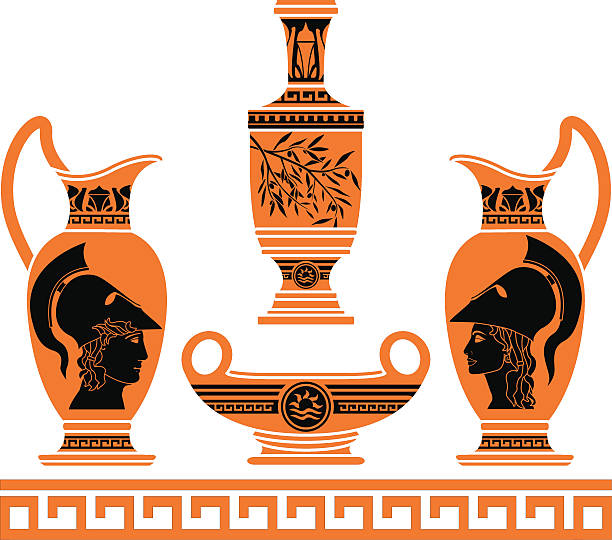
set of hellenic vases. stencils. vector illustration

The figure shows a chariot with a gladiator
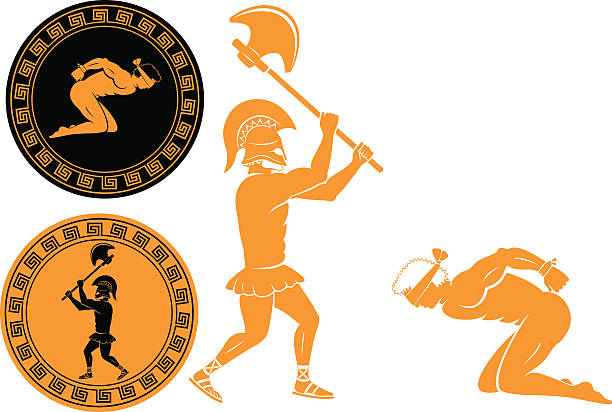
Shown executioner with an ax

The figure shows a chariot with a gladiator

Gladiators in coliseum. Ancient roman warrior characters in arena, cartoon antique gladiators with shield and weapons fighting. Vector illustration of ancient gladiator coliseum

On 20 June 451 Aetius and Theodoric engaged Attila and his allies at the Battle of the Catalaunian Plains.Flavius Aetius ( c. 391 - 454 ) was a Roman general and statesman of the closing period of the Western Roman Empire. He was a military commander and the most influential man in the Empire for two decades ( 433 - 454 ).Original edition from my own archivesSource : Weltgeschichte 1899Drawing : H. Günther
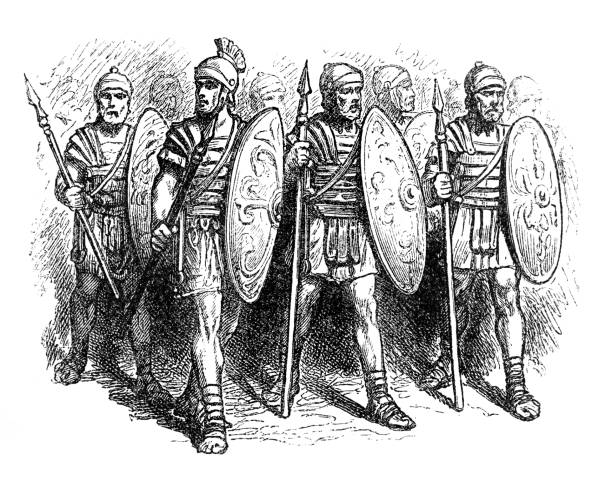
Engraving showing roman soldiers with different costumes from 4th century with pilumOriginal edition from my own archivesSource : Weltgeschichte 1887
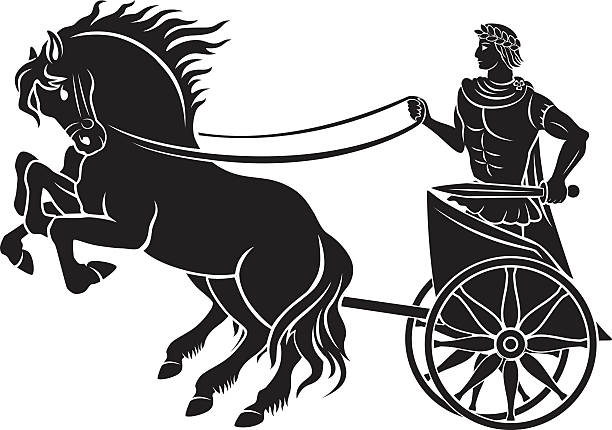
The figure shows a chariot with a gladiator
Roman helmet with laurel wreath

Sparta warrior head and sword combine with text. Spartan helmet and sword. Trojan helmet and sword. Warrior helmet. Historical Sparta concept icon. Ancient Greek Centurion.

The figure shows a chariot with a gladiator

Achilles kills Hector. By imitation of ancient Greek painting

the figure shows the battle of the gladiators

The picture shows a gladiator with a spear

Legionnaire in full gear - vector image.

the figure shows the pattern amphorae

Gothic War: Emperor Valens permits the Visigothic chieftain Fritigern and his people to cross the Danube from Thrace ( later Romania ), and settle on Roman soil in Lower Moesia, on the condition that they provide soldiers to the legions. The Visigoths embark by troops on boats and rafts, and canoes made from hollowed tree trunks. The river is swollen by frequent rains; a large number try to swim and are drowned in their struggle against the force of the stream.Flavius Valens ( 328 - 9 August 378 ) was Roman emperor from 364 to 378.Original edition from my own archivesSource : Weltgeschichte 1899

the figure shows a warrior with a spear on the elephant
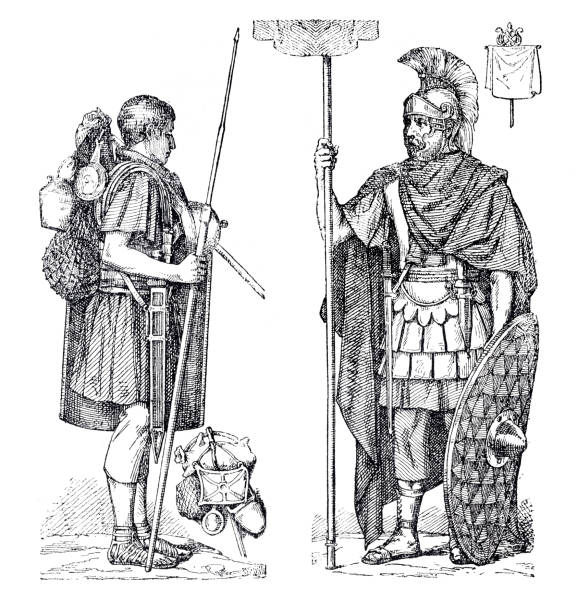
Roman PeriodLeft: LegionnaireRight : Standard-bearer in the Theodosian era : which refers to the time period when the Roman Empire was ruled by the emperor Theodosius I, who reigned from 379 to 395 CE. During his reign, he made important changes to the Roman army, including the establishment of a new military hierarchy and the introduction of new military tactics.Original edition from my own archivesSource : Correo de Ultramar 1879

The figure shows a chariot with a gladiator

simplified but well drawn Icons, smooth corners no hard edges unless it’s required,

Gladiator characters. Cartoon ancient roman gladiator warrior in different fighting and standing poses, 2D game asset. Vector isolated set of roman gladiator illustration

The picture shows Hercules with his wife

The picture shows a gladiator with a spear

The picture shows a gladiator with a spear
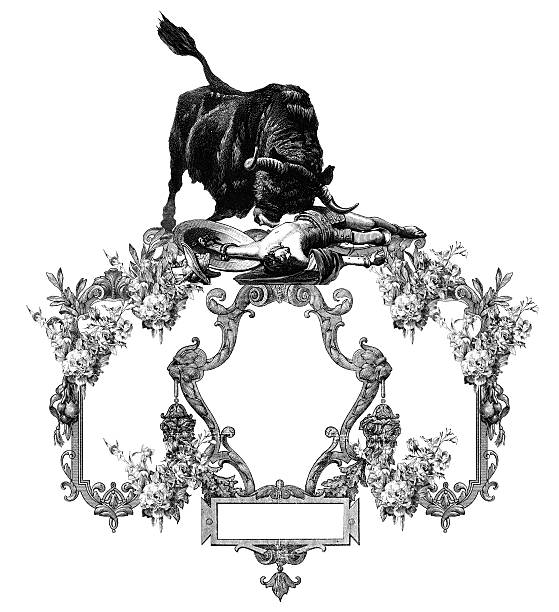
Luxurious Victorian frame with gladiator and bull.

Greek Spartan Warrior or Trojan Soldier holding shield and sword - Vector Illustration

Luxurious Victorian frame with gladiator and bull.

the figure shows a fight between two gladiators

Symbolic icons isolated on white background.

19th-century illustration of Roman Armor. Original artwork published in "A pictorial history of the world's great nations: from the earliest dates to the present time" by Charlotte M. Yonge (Selmar Hess, New York, 1882).

Illustration of a Barbarian soldier equipment

The picture shows a gladiator with a spear

The picture shows a gladiator

Illustration of a Soldiers equipment

The picture shows a gladiator with a spear

Spartan helmet with laurel wreath

Helmet spartan greek warrior gladiator or knight gold armor ancient flat design vector illustration

The figure shows a chariot with a gladiator

Horseman of the roman army in the Greek PeriodThe early Roman army was the armed forces of the Roman Kingdom and of the early Roman Republic. During this period, when warfare chiefly consisted of small-scale plundering raids, it has been suggested that the army followed Etruscan or Greek models of organization and equipment. The early Roman army was based on an annual levy.Original edition from my own archivesSource : Correo de Ultramar 1879

Roman PeriodFrom left to right :1. In the Roman army, the velites were light infantry soldiers who served as skirmishers. They were usually the youngest and least experienced soldiers in the army, and they were equipped with light armor and small shields. Velites would engage in hit-and-run tactics, harassing enemy formations with javelins before withdrawing and allowing heavier troops to engage. They were often used in conjunction with other types of infantry, such as hastati or principes, to provide additional support on the battlefield. The use of velites declined over time, with their role eventually being absorbed by other types of soldiers.2. A centurion was a professional officer who commanded a century, which was a unit of around 80 to 100 soldiers.3. HorsemanOriginal edition from my own archivesSource : Correo de Ultramar 1879

Antique warrior on horseback with a spear in his hand. Vector illustration isolated on white background

Abstract black grunge spartan and viking helmet with ink blots splashes isolated on white background

Historical Sparta concept icon. Suitable for your mascot, team sport icon, product identity, community identity, metaphors, design element, illustration for apparel - t shirt, etc.

Luxurious Victorian frame with gladiator and bull.

Luxurious Victorian frame with gladiator and bull.

Sparta warrior holding sword and shield. Illustration of heroic ancient roman warrior. Historical Sparta concept icon. Ancient Greek warrior . Suitable for team Mascot , team icon, community identity, product identity, corporate identity, illustration for apparel, emblem, etc .

illustration vector graphics of tribal art design abstract gladiator helmet


