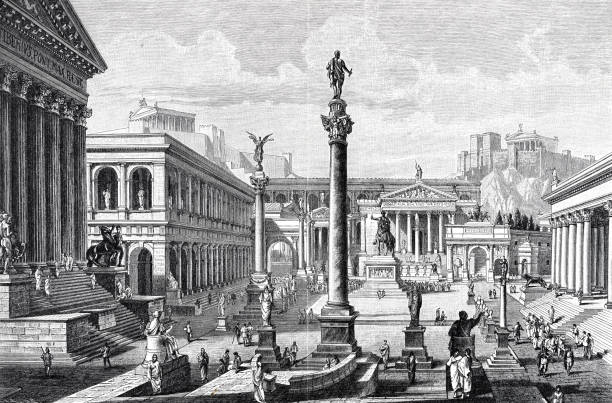
Illustration from 19th century.
Browse 8,600+ ancient rome illustration stock illustrations and vector graphics available royalty-free, or start a new search to explore more great stock images and vector art.

Historical view of the Roman Forum in Rome, Italy. UNESCO World Heritage Site since 1980. Wood engraving, published in 1894.
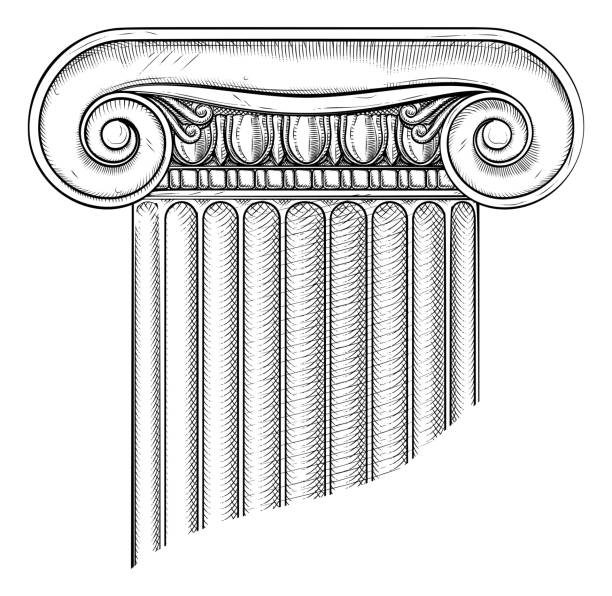
Classic Greek or Roman column pillar illustration in a vintage retro woodcut etching style

Classical greek vase art, warriors
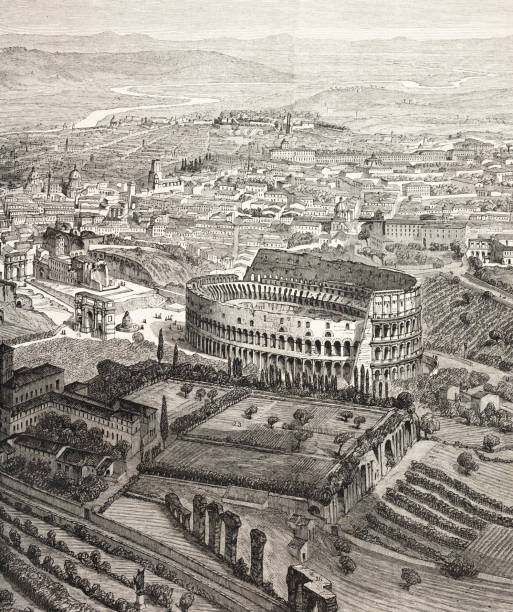
The Colosseum is an elliptical amphitheatre in the centre of the city of Rome, Italy, just east of the Roman Forum. It is the largest ancient amphitheatre ever built, and is still the largest standing amphitheatre in the world, despite its age. Construction began under the emperor Vespasian ( r. 69–79 AD) in 72 and was completed in 80 AD under his successor and heir, TitusOriginal edition from my own archivesSource : Correo de Ultramar 1859
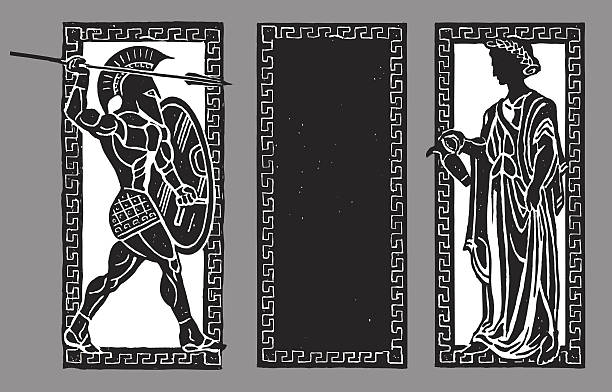
Pen and ink illustrations of a Spartan Warrior, Water Pourer and Greek Background. Check out my "Old School Art" light box for more.
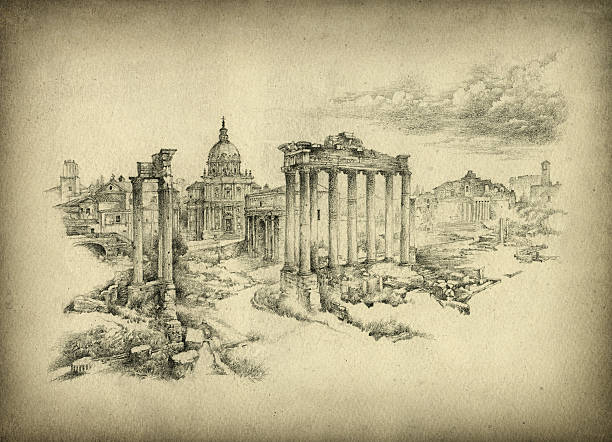
Ruins of the Roman Forum. Handmade drawing, pencil on paper, slightly processed.
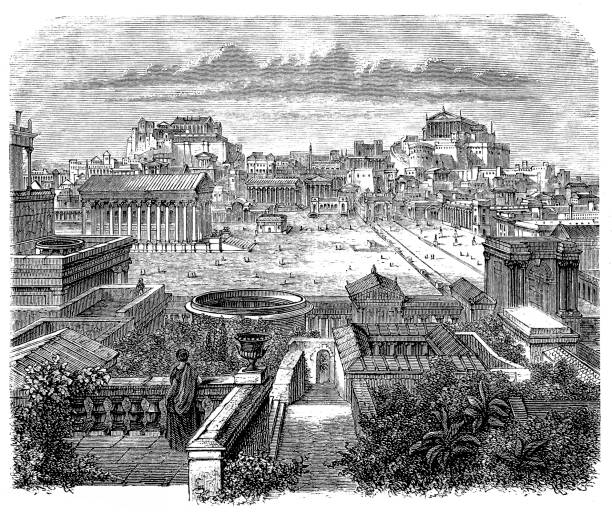
Illustration of a Roman Forum, visual reconstruction

beautiful Athena Pallas wearing helmet - ancient greek goddess woman black and white vector head portrait
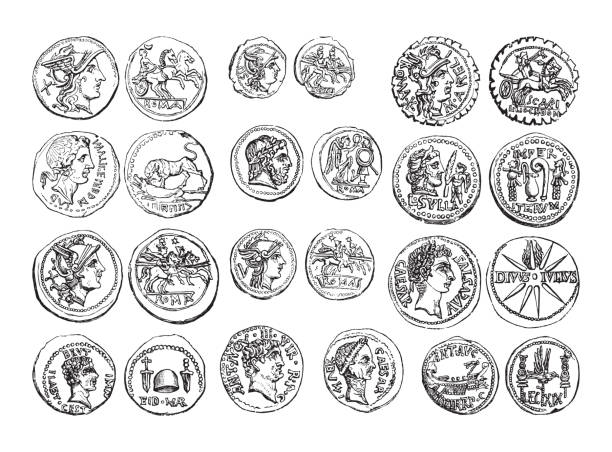
Vintage engraved illustration isolated on white background - Old coin collection (roman period)

Vintage illustration of Classical Greco Roman architecture, Atrium of a house in Pompei, Greek style
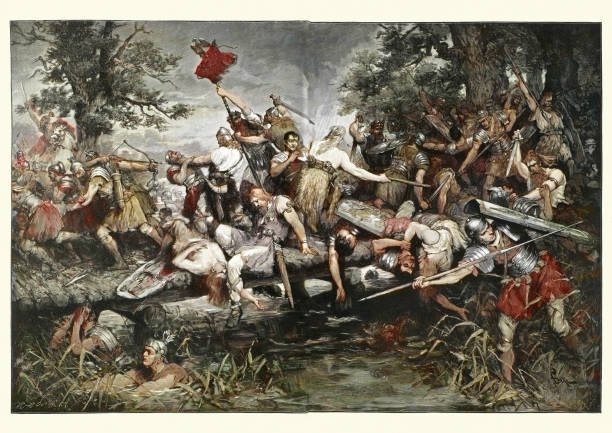
Vintage illustration. Fight During the Retreat of Germanicus. After Leeke Ferdinand
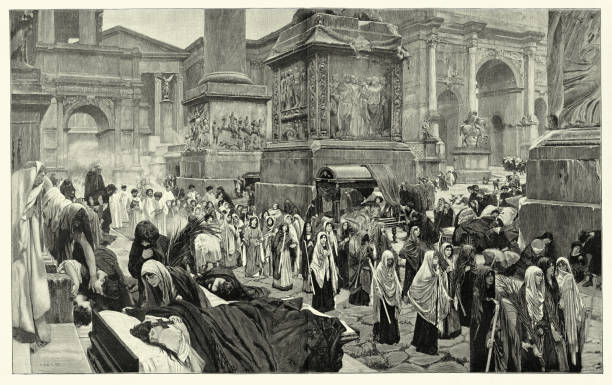
Vintage illustration Ancient Rome during the plague of Justinian or Justinianic plague, a bubonic plague epidemic, after the painting by Adolf Hirémy-Hirschl

Antique and medieval costumes: 1) Egyptian king (pharaoh); 2) Egyptian queen; 3) Assyrian (1400 BC); 4) Greek man in the Himation; 5) Greek woman from Tanagra; 6) Roman official in the Toga praetexta; 7) Roman woman; 8) Byzantine emperor ornat (10th century); 9 Byzantine empress; 10) Franconian nobleman (9th century); 11) French knight (13th century); 12) Knight (13th century); 13) Knight and queen (14th century); 14) Flemish woman (15th century). Chromolithograph, published in 1897.

Architecture greek temple icon isolated on white background. Vector illustration flat architecture design. Building ancient monument symbol icon. Column pillar parthenon landmark. Famous architecture
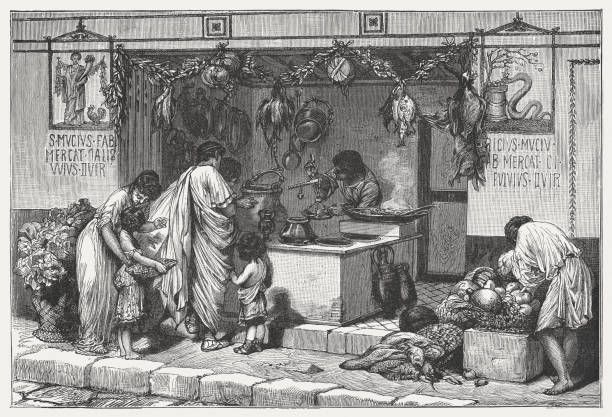
Scene from Ancient Rome: Delicatessen business with food. Wood engraving, published around 1895.
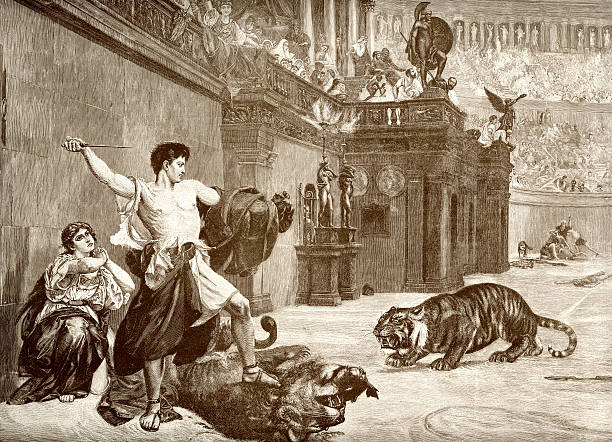
Vintage engraving of showing a man saving a woman from a lion and tiger in the Roman Arena.
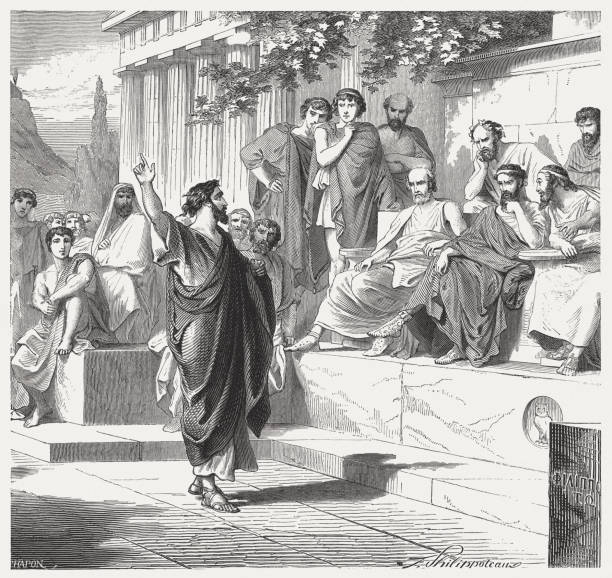
Paul preaches in Athens (Acts 17). Wood engraving, published in 1886.
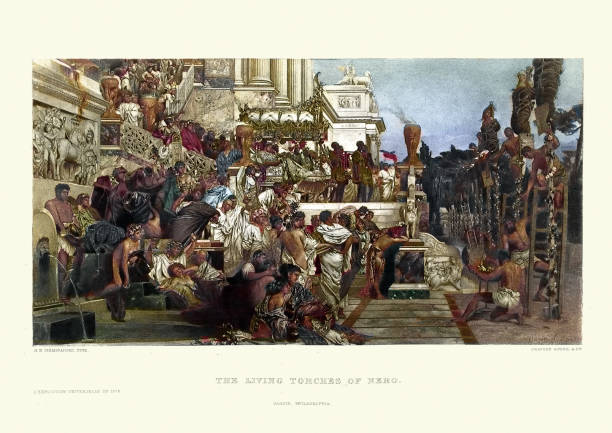
Vintage illustration after Henryk Siemiradzki, Ancient Rome, Nero's Torches. It depicts a group of early Christian martyrs who are about to be burned alive as the alleged perpetrators of the Great Fire of Rome, during the reign of emperor Nero in 64 AD.
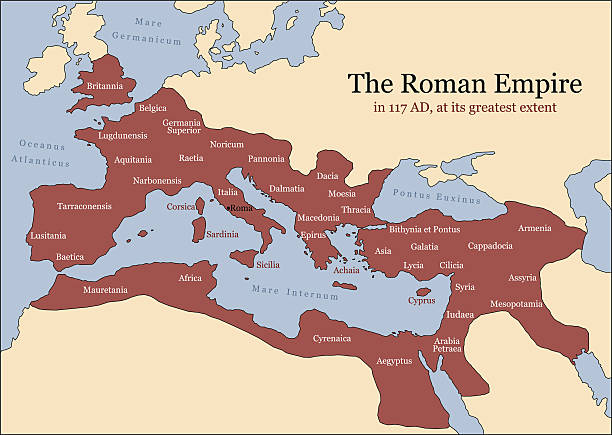
The Roman Empire at its greatest extent in 117 AD at the time of Trajan, plus principal provinces. Vector illustration.

Antinous was a Greek youth from Bithynia (Bolu, Turkey) and a favorite beloved of the Roman emperor Hadrian. Illustration from 19th century.

Vintage engraving of Ancient Roman Daggers

Vintage illustration of Ancient Rome, Bestiarius, bestiarii gladiators fighting tigers and lions in the Colosseum. Victorian 1860s

Two beautiful Greek plates with laurel wrath and various meanders in black and gold color.
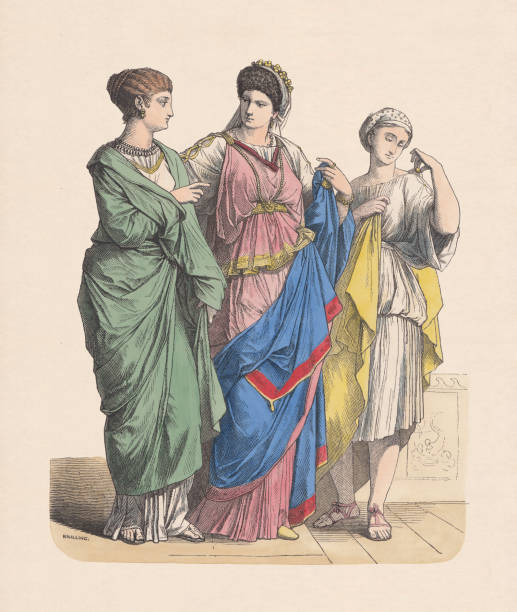
Ancient Roman nobility women and female slave (left). Hand colored wood engraving, published c. 1880.

Steel engraving of The Battle of Cannae - which was a major battle of the Second Punic War that took place on 2 August 216 BC in Apulia, in southeast Italy. The army of Carthage, under Hannibal, surrounded and decisively defeated a larger army of the Roman Republic under the consuls Lucius Aemilius Paullus and Gaius Terentius Varro. Hannibal Barca ( 247 - between 183 and 181 BC ) was a general and statesman from Ancient Carthage who is widely considered one of the greatest military commanders in historyOriginal edition from my own archivesSource : "Allgemeine Weltgeschichte" 1898

Alaric sacks Rome in 410 AD. Alaric I (c. 370 – 411 AD) was the first king of the Visigoths, from 395 to 410. Wood engraving, published in 1883.

Illustration of a Farming and farmers in antique Rome
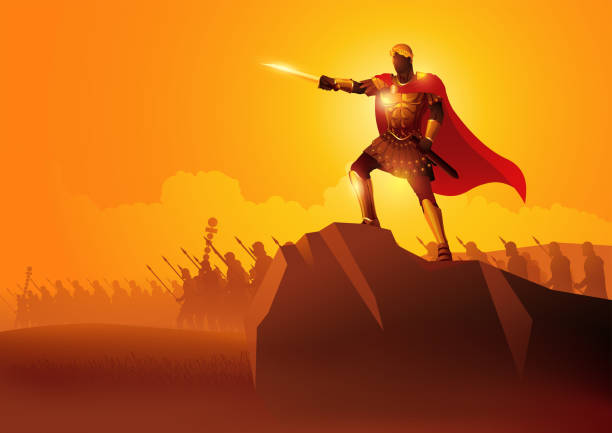
Vector illustration of Julius Caesar leads his Rome legionaries, conqueror, ancient army, leadership

Men at an open-air public bathhouse in Italy. Engraving published 1896. Copyright expired; artwork is in Public Domain.

Drawn and measured very precisely by Antoine Desgodetz Architect in 1676.
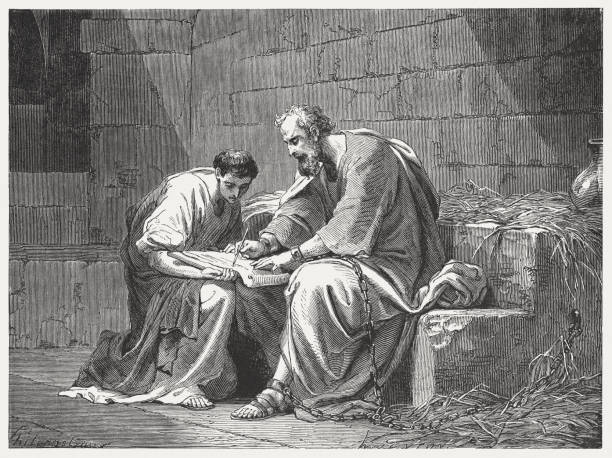
Paul ends the letter to the Ephesians, and hands it over to Tychicus (Ephesians 6, 21 - 23). Wood engraving, published in 1886.
Vector vintage laurels frame with floral swirls, scrolls and ribbons, antique decorative element with copy space isolated on white

Vestal Virgins, in the pre-Christian Roman religion, were priestesses, who tended the state cult of Vesta, the goddess of the hearth. Illustration published in Royal Manual by Henry Davenport Northrop (The Dallas Book Publishing Co.: Dallas, Texas) in 1891.

Triumphal procession in Ancient Rome. Nostalgic scene from the past. Wood engraving based on a drawing by Sándor (Alexander) Wagner (Austrian-Hungarian painter, 1838 - 1919), published in 1888.

Roman architecture: 1 - 2) Arena of Nîmes (exterior view and floor plan); 3) Aqua Claudia (52 AD), Rome; 4 - 6) House of Pansa in Pompeii with floor plan, longitudinal average, and inside view (visual reconstruction); 7) Arch of Constantine (built 312 - 315 AD), Rome; 8 - 9) Castel Sant'Angelo with floor plans, Rome (visual reconstruction after Borgatti); 10) Baths of Caracalla (inside view, visual reconstruction, 216 AD); 11) Diocletian's Palace (UNESCO World Heritage Site), view of the Peristyle (305 AD), Split, Croatia; 12) Diocletian's Palace, facade detail. Wood engravings, published in 1897.
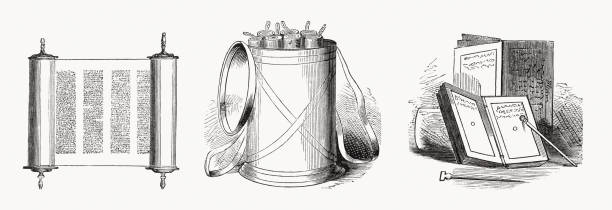
Writing utensils of antiquity: Torah scroll, scrolls container, wax tablets with styluses. Wood engravings, published byin 1862.

Quintus Horatius Flaccus known Horace, (8 December 65 – 27 November 8 BC) was latin poet and satirist. Vintage etching circa late 19th century

Seamless pattern with olive branches, waves, ships, and Greek symbols. Rich ancient stylized ornament, vector illustration

Steel engraving of The Battle of the Teutoburg Forest in 9 CE, when an alliance of Germanic tribes ambushed and decisively destroyed three Roman legions and their auxiliaries, led by Publius Quinctilius Varus. The alliance was led by Arminius, a Germanic officer of Varus's auxilia.Original edition from my own archivesSource : "Allgemeine Weltgeschichte" 1898
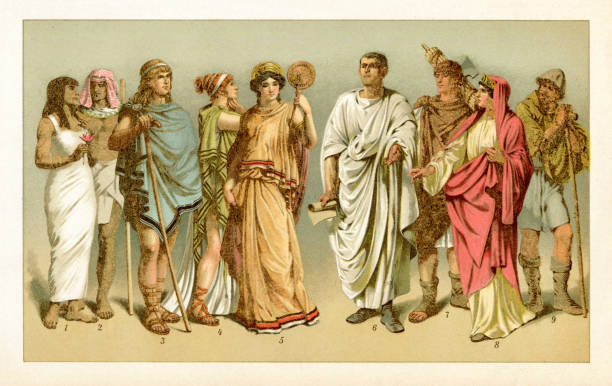
Period costume from Egypt 1-2 and Ancient Greece 3-5 and ancient Rome 6-9Original edition from my own archivesSource : Brockhaus 1898

Vintage engraving of a Ancient Roman School from the Imperial period
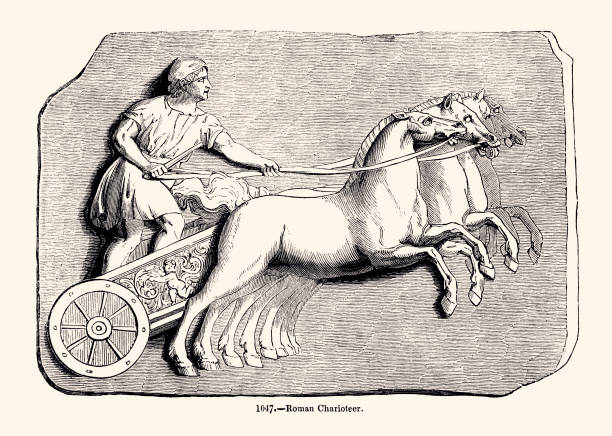
Antique Roman Charioteer with four horses. Chariot racing was one of the most popular ancient Greek, Roman, and Byzantine sports. Vintage engraving circa late 19th century. Digital restoration by Pictore.
Twelve beautiful laurels in green, gold and black silhouette variations. Most elements are done with mesh.

Vintage engraving of a scene from Ancient History, Ancient Rome - Julius Caesar leading his army across the Rubicon

Gladiators fighting in violent armed combat, with other gladiators, wild animals, condemned criminals, and, later, Christians to entertain Roman audiences. Woodcut illustration published 1846. Copyright expired; artwork is in Public Domain. Digitally restored.
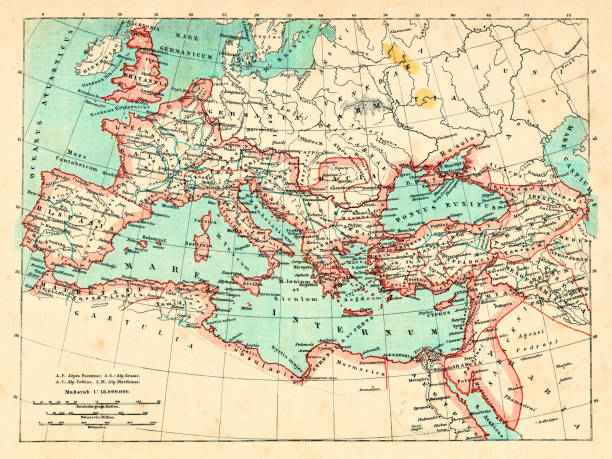
Map of ancient romeThe Roman Empire at its heightEmperor Trajan (ruled 98 – 117 AD) was Rome’s most expansionist ruler, his death marking the high water mark of Rome’s size.Original edition from my own archivesSource : Brockhaus 1898

Illustration of The Downfall of Pompeii, 79 AD, eruption of Mount Vesuvius in AD 79, ancient Roman city of Pompeii
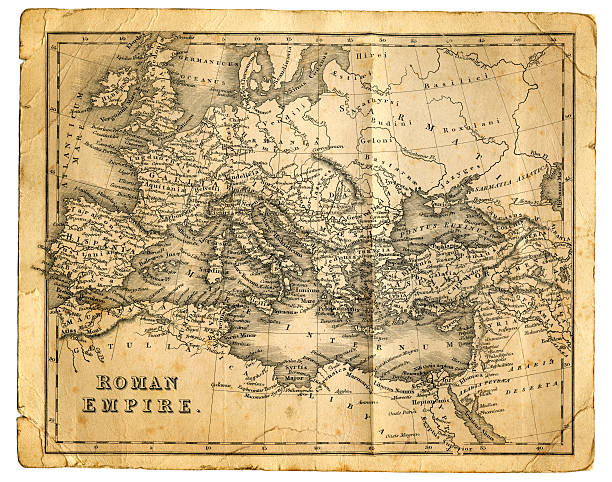
"Very detailed vintage map from 1827, showing the Roman Empire at its greatest extent. Photo by D Walker"

Classical greek vase art, warrior