Browse 100+ slaves working drawings stock illustrations and vector graphics available royalty-free, or start a new search to explore more great stock images and vector art.

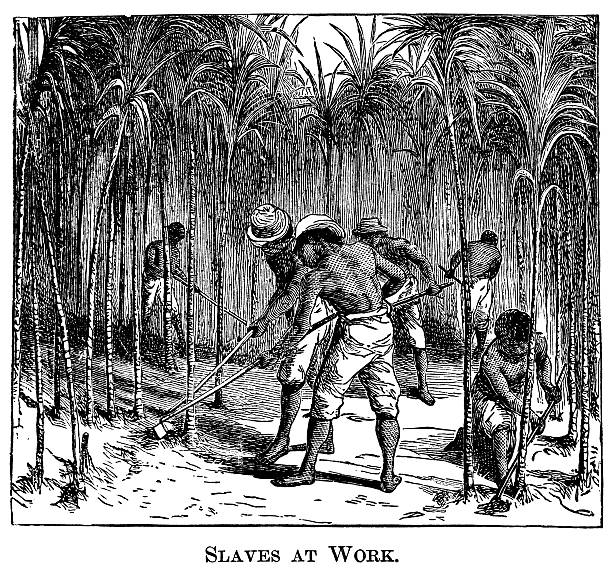
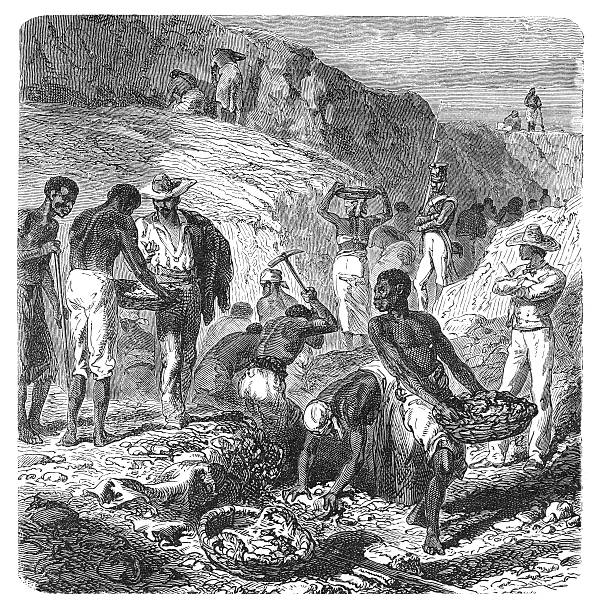
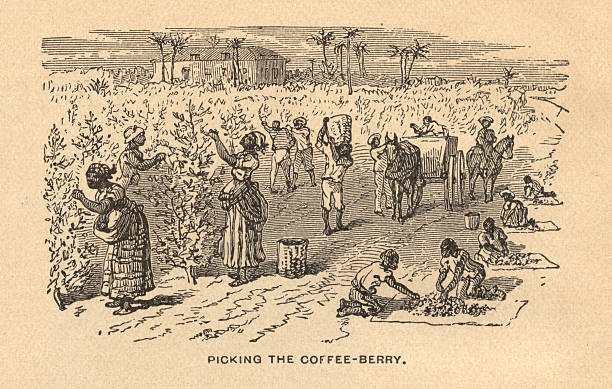
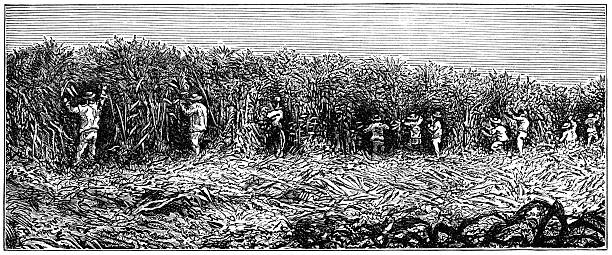
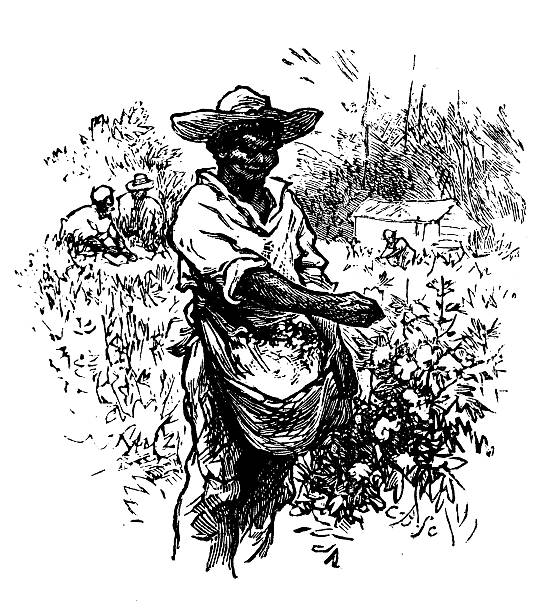
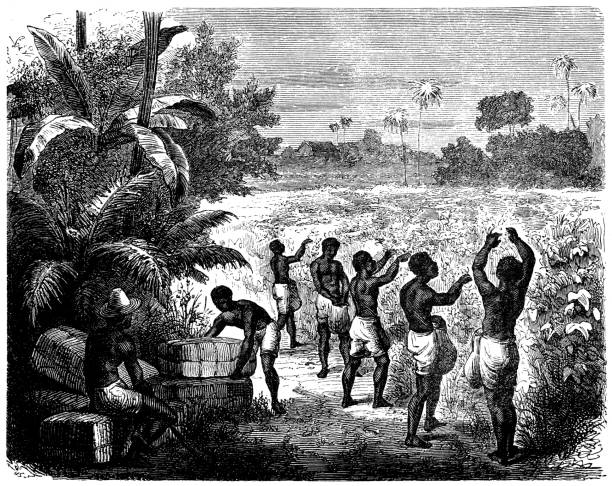
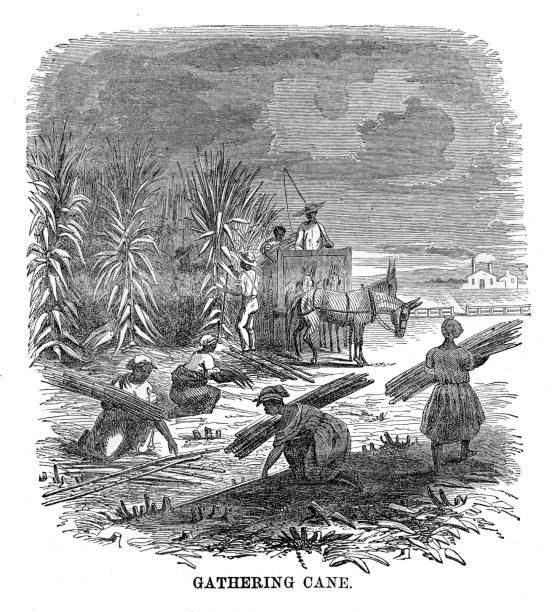
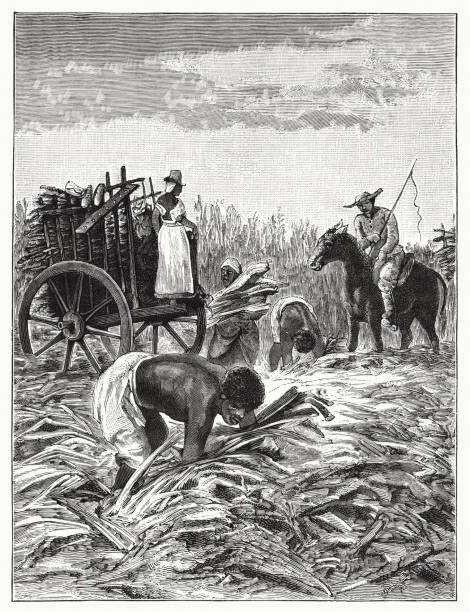
African American slaves on a sugar cane plantation, woodcut, 1885 African American slaves work on a sugar cane plantation. Due to the high mortality in the plantations, a disproportionately large number of workers were needed. The number of slaves shipped across the Atlantic from Africa to America by the 19th century is estimated at around 10-12 million. Wood engraving after a drawing by Peter Krämer, published in 1885. slaves working drawings stock illustrations

African American slaves work on a sugar cane plantation. Due to the high mortality in the plantations, a disproportionately large number of workers were needed. The number of slaves shipped across the Atlantic from Africa to America by the 19th century is estimated at around 10-12 million. Wood engraving after a drawing by Peter Krämer, published in 1885.
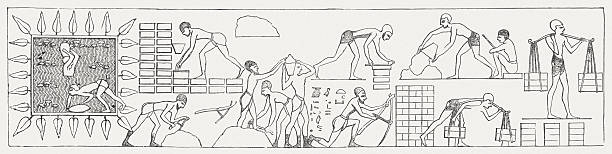
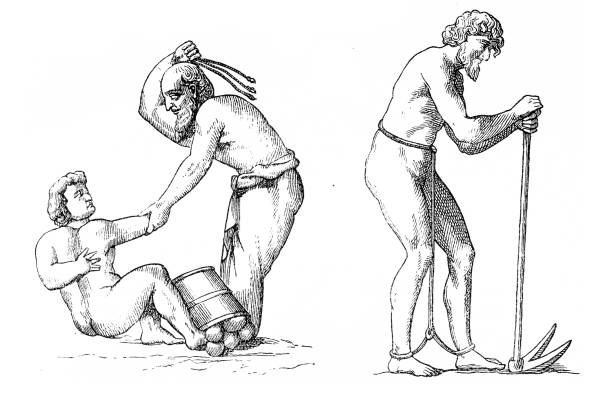
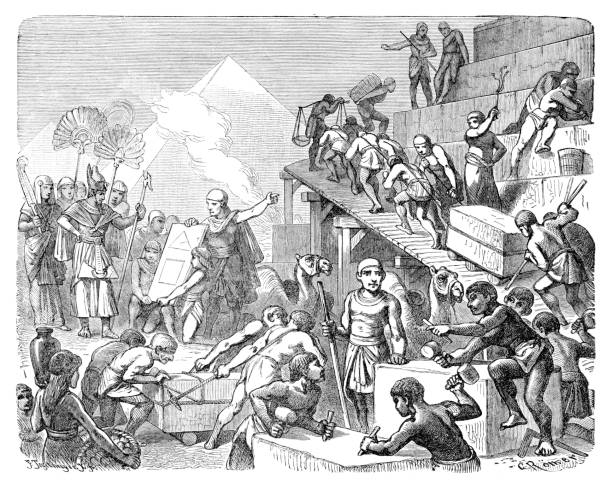
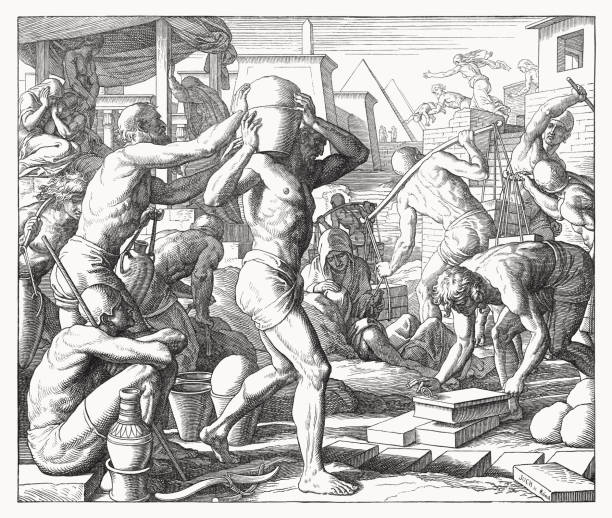
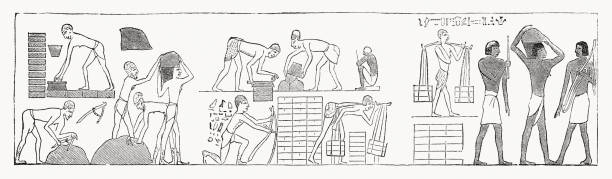
Hebrews in Egypt, wood engraving, published in 1877 Hebrews make bricks in Egypt. "As a result the Egyptians loathed the Israelites, and they made the Israelites serve rigorously. They made their lives bitter by hard service with mortar and bricks and by all kinds of service in the fields. Every kind of service the Israelites were required to give was rigorous." Exodus, Chapter 1, 13-14. Woodcut engraving after an ancient original from the book "Das Buch der Erfindungen, Gewerbe und Industrien, Band 4(The book of inventions, commerce and industries, Volume 4)", published by Otto Spamer, Berlin and Leipzig (1877) slaves working drawings stock illustrations

Hebrews make bricks in Egypt. "As a result the Egyptians loathed the Israelites, and they made the Israelites serve rigorously. They made their lives bitter by hard service with mortar and bricks and by all kinds of service in the fields. Every kind of service the Israelites were required to give was rigorous." Exodus, Chapter 1, 13-14. Woodcut engraving after an ancient original from the book "Das Buch der Erfindungen, Gewerbe und Industrien, Band 4(The book of inventions, commerce and industries, Volume 4)", published by Otto Spamer, Berlin and Leipzig (1877)

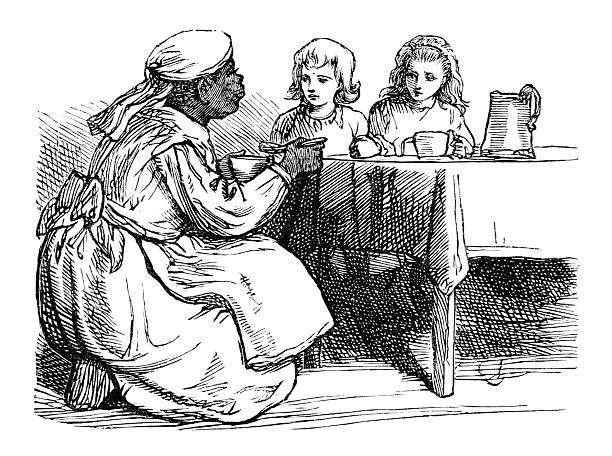
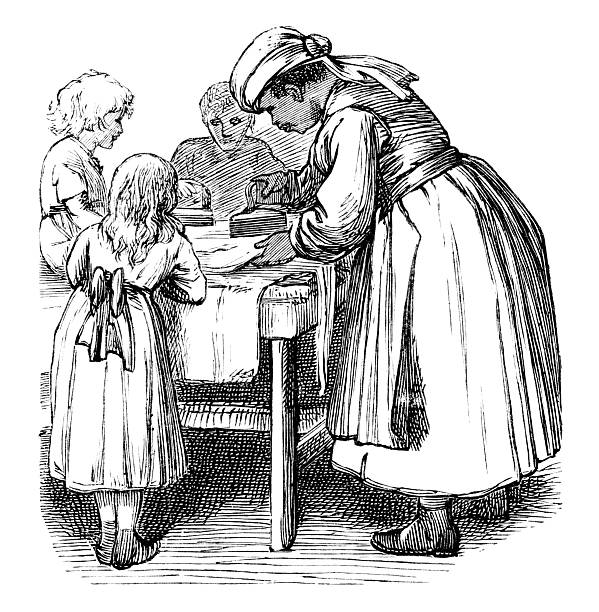
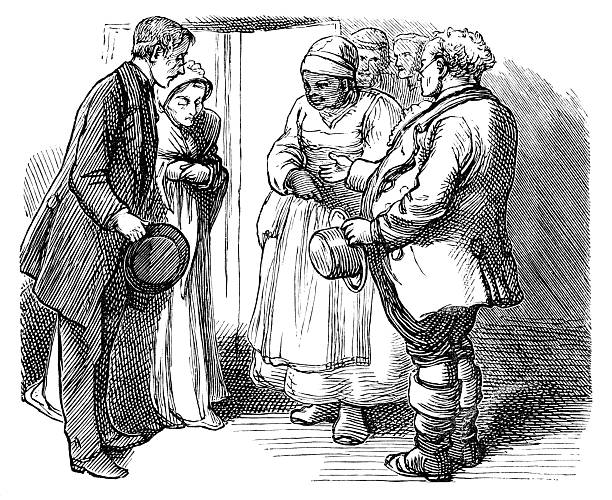
Afro-Caribbean woman being introduced An West Indian lady being introduced to a group of Europeans. An illustration of a children's nurse from "The Babes in the Basket or Daph and Her Charge" by C. E. Bowen, publ. T Nelson & Son, 1873. The story relates how she was rescuing the children in her charge from an uprising on the island and smuggling them away on a Yankee ship.  slaves working drawings stock illustrations
Afro-Caribbean woman being introduced An West Indian lady being introduced to a group of Europeans. An illustration of a children's nurse from "The Babes in the Basket or Daph and Her Charge" by C. E. Bowen, publ. T Nelson & Son, 1873. The story relates how she was rescuing the children in her charge from an uprising on the island and smuggling them away on a Yankee ship. slaves working drawings stock illustrations

An West Indian lady being introduced to a group of Europeans. An illustration of a children's nurse from "The Babes in the Basket or Daph and Her Charge" by C. E. Bowen, publ. T Nelson & Son, 1873. The story relates how she was rescuing the children in her charge from an uprising on the island and smuggling them away on a Yankee ship.

Victorian Afro-Caribbean nurse kissing children 'Good Morning' An illustration of an African-Caribbean children's nurse from "The Babes in the Basket or Daph and Her Charge" by C. E. Bowen, publ. T Nelson & Son, 1873. The story relates how she rescued the children in her charge from an uprising on a West Indies island and smuggled them away on a Yankee ship. Here she is kissing one the older children. slaves working drawings stock illustrations

An illustration of an African-Caribbean children's nurse from "The Babes in the Basket or Daph and Her Charge" by C. E. Bowen, publ. T Nelson & Son, 1873. The story relates how she rescued the children in her charge from an uprising on a West Indies island and smuggled them away on a Yankee ship. Here she is kissing one the older children.

Disembarkation in Cotonou, Dahomey (Benin, West Africa), woodcut, published 1892 Disembarkation in Cotonou on the coast of the Kingdom of Dahomey in West Africa, today's Benin. Dahomey was a kingdom that existed for about 260 years. In 1892, Dahomey fell to France and from 1895 to 1958, along with other countries, was part of the federation of French West Africa. Wood engraving based on a drawing by Georges Bertin Scott (French war correspondent and illustrator, 1873 – 1943), published in 1892. slaves working drawings stock illustrations

Disembarkation in Cotonou on the coast of the Kingdom of Dahomey in West Africa, today's Benin. Dahomey was a kingdom that existed for about 260 years. In 1892, Dahomey fell to France and from 1895 to 1958, along with other countries, was part of the federation of French West Africa. Wood engraving based on a drawing by Georges Bertin Scott (French war correspondent and illustrator, 1873 – 1943), published in 1892.

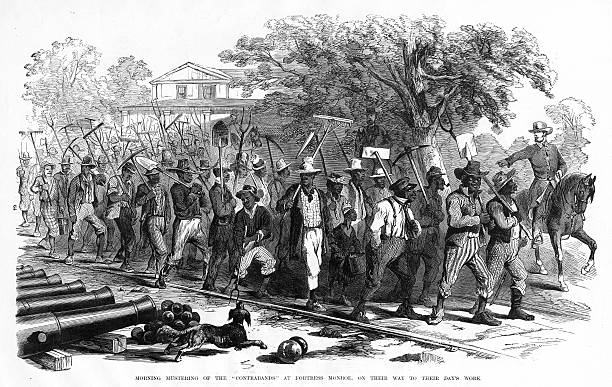
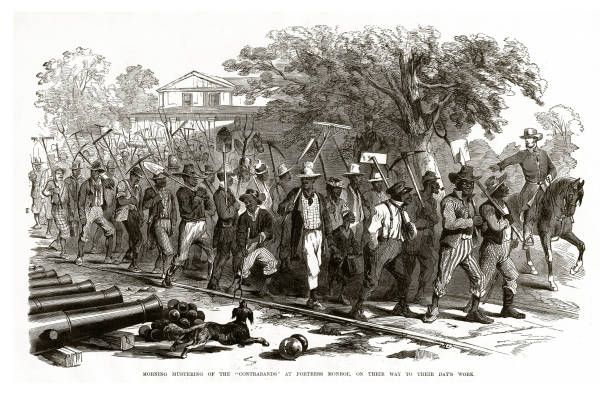
Contrabands at Fortress Monroe Engraving of the Morning Mustering of the Contrabands at Fortress Monroe, on their way to Their Day's Work, 1861 from "Famous Leaders and Battle Scenes of the Civil War," Published in 1864. Copyright has expired on this artwork. Digitally restored. slaves working drawings stock illustrations

Engraving of the Morning Mustering of the Contrabands at Fortress Monroe, on their way to Their Day's Work, 1861 from "Famous Leaders and Battle Scenes of the Civil War," Published in 1864. Copyright has expired on this artwork. Digitally restored.

Victorian Afro-Caribbean nanny hugging children An illustration of a West Indian children's nurse hugging her charges: from "The Babes in the Basket or Daph and Her Charge" by C. E. Bowen, publ. T Nelson & Son, 1873. The story relates how she was rescuing the children in her charge from an uprising on the island and smuggling them away on a Yankee ship.  slaves working drawings stock illustrations
Victorian Afro-Caribbean nanny hugging children An illustration of a West Indian children's nurse hugging her charges: from "The Babes in the Basket or Daph and Her Charge" by C. E. Bowen, publ. T Nelson & Son, 1873. The story relates how she was rescuing the children in her charge from an uprising on the island and smuggling them away on a Yankee ship. slaves working drawings stock illustrations

An illustration of a West Indian children's nurse hugging her charges: from "The Babes in the Basket or Daph and Her Charge" by C. E. Bowen, publ. T Nelson & Son, 1873. The story relates how she was rescuing the children in her charge from an uprising on the island and smuggling them away on a Yankee ship.

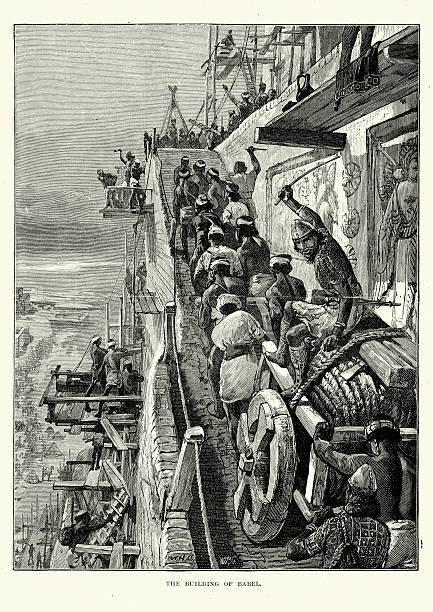
Building the Tower of Babel Vintage engraving of people Building the Tower of Babel. The Tower of Babel is a story told in the Book of Genesis of the Tanakh (also referred to as the Hebrew Bible) meant to explain the origin of different languages. slaves working drawings stock illustrations

Vintage engraving of people Building the Tower of Babel. The Tower of Babel is a story told in the Book of Genesis of the Tanakh (also referred to as the Hebrew Bible) meant to explain the origin of different languages.

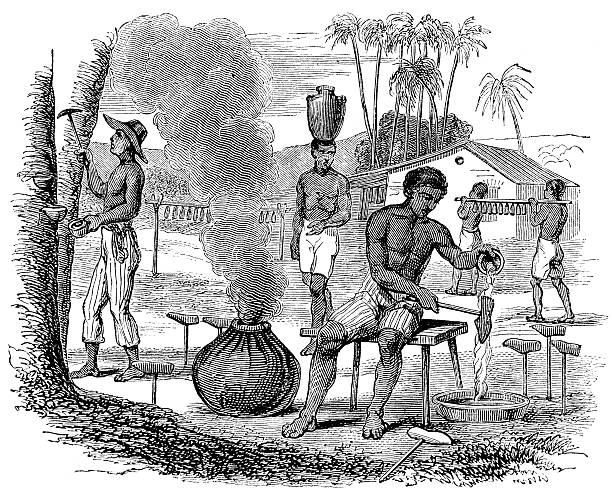
Sugar cane mill in the West Indies, lithograph, published ca.1830 Historical view of a sugar cane mill in the West Indies (offshore Atlantic islands in Central and South America) - a factory that processes sugar cane to produce raw sugar or plantation white sugar. The history of sugarcane in the West Indies is inextricably linked to colonization and the slave trade. After Christopher Columbus brought sugarcane to the Caribbean in 1493, large plantations were established to promote sugarcane cultivation for the European market. This "white gold" was an important economic factor for the colonial powers, but it relied on the exploitation of slaves from Africa. Lithograph, published ca. 1830. slaves working drawings stock illustrations

Historical view of a sugar cane mill in the West Indies (offshore Atlantic islands in Central and South America) - a factory that processes sugar cane to produce raw sugar or plantation white sugar. The history of sugarcane in the West Indies is inextricably linked to colonization and the slave trade. After Christopher Columbus brought sugarcane to the Caribbean in 1493, large plantations were established to promote sugarcane cultivation for the European market. This "white gold" was an important economic factor for the colonial powers, but it relied on the exploitation of slaves from Africa. Lithograph, published ca. 1830.

of2Next