
Images
Browse 33,300+ animal etching stock photos and images available, or search for animal etching vector to find more great stock photos and pictures.

Farm domestic animals. Hand drawn engraving style illustrations. Etched vector illustration.
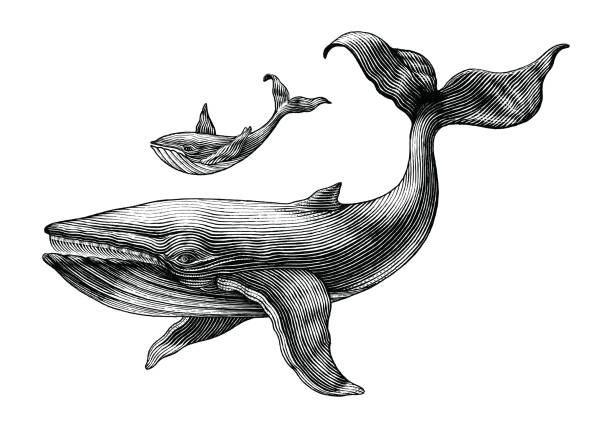

Black and white marine life drawing in vintage engraving style. Hand-drawn realistic humpback whale artwork.
Our creative library is free of AI-generated contentChoose your visuals with confidence knowing our creative library is free from AI-generated content, so your searches only return safe, high-quality visuals you can trust.
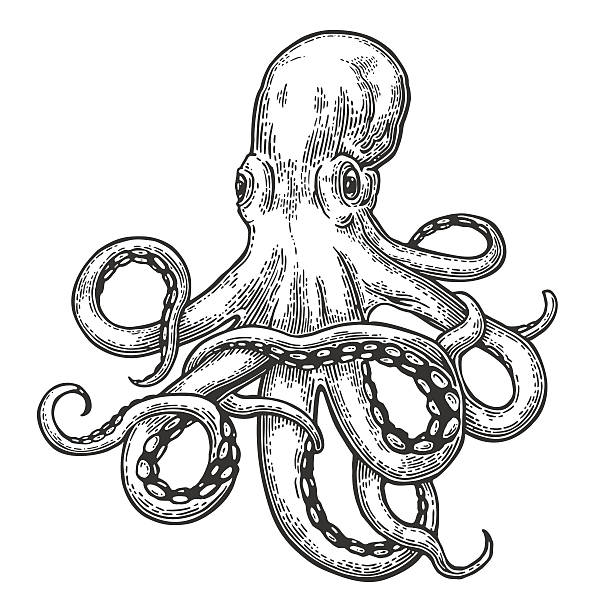
Octopus. Vector black engraving vintage illustrations. Isolated on white background.
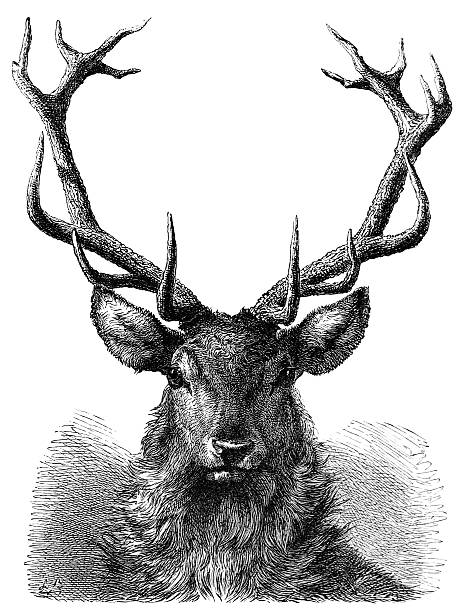
Red Deer Stag Head - 19th century Engraving


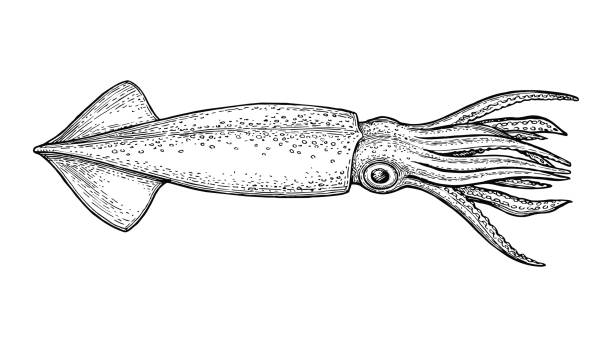
Squid ink sketch. Isolated on white background. Hand drawn vector illustration. Retro style.



Floral frame with branches of garden trees and a bird. Blooming spring. Vector botanical illustration. Blue.

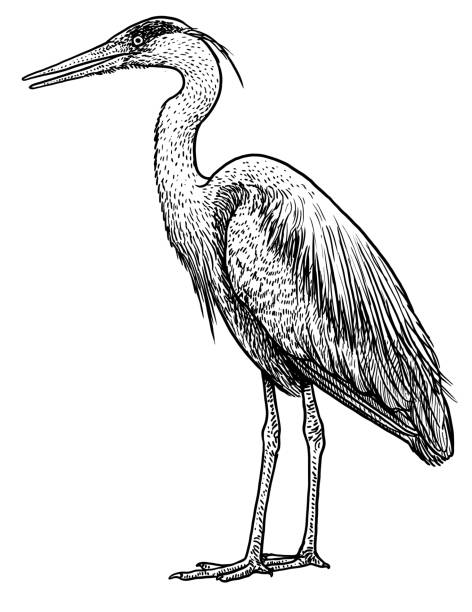

Monochrome engraved vintage drawing of dairy cattle head closeup with collar strap vector illustration isolated on white background

A boar wild hog razorback warthog pig animal for crest in rampant pose. Heraldic coat of arms heraldry design element concept in a vintage illustration style.

Vintage vector illustration of marine fish
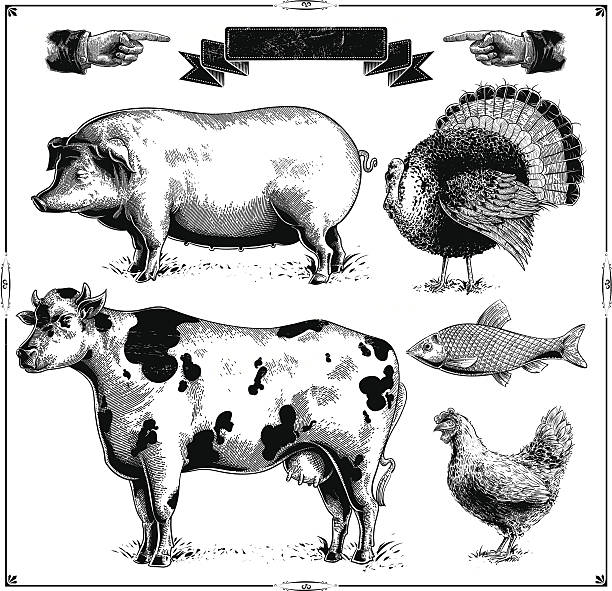
Domestic farm animals, (Pig, Turkey, Cow, Chicken, Fish.) vector .eps8
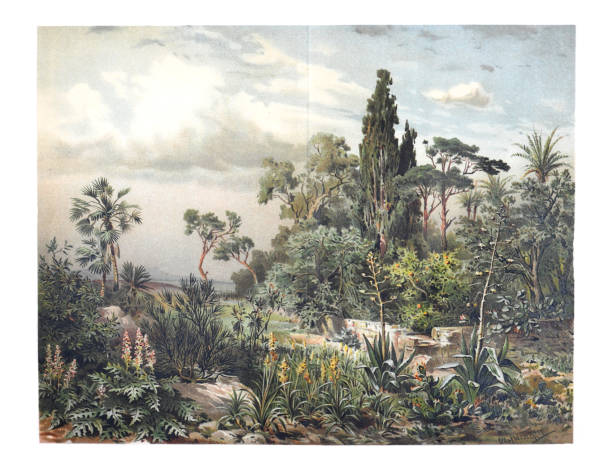
Exotic plant green jungle wallpaper. hand drawn tropical jungle vintage botanical illustration. tree landscaped illustration.


Owl on a tree branch. Vintage etching circa late 19th century. digital restoration by pictore.
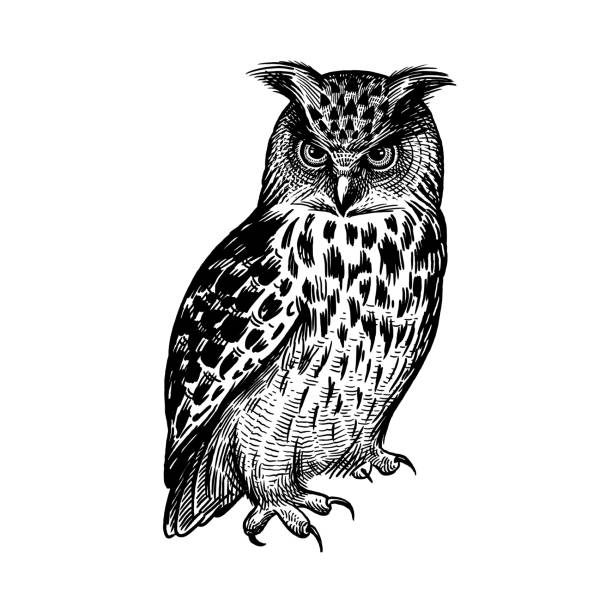
Owl. Realistic bird isolated on white background. Vector illustration. Predatory forest bird. Sketch hand drawing. Black and white. Vintage.
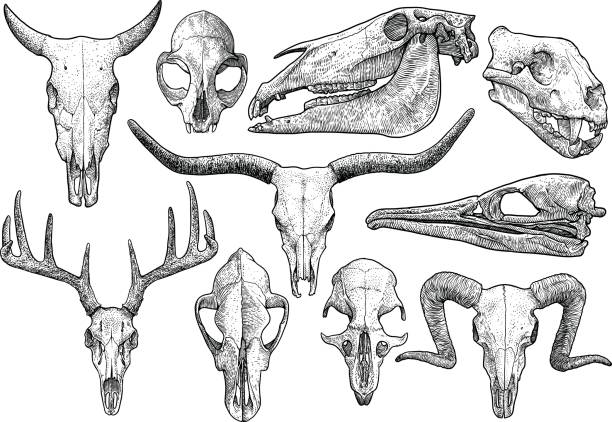


Cow, bull, beef. Vintage retro print, black white cow, bull, beef sketch ink pencil drawing, engrave old school. Sketch artwork silhouette cow bull. Side view profile beef bull. Vector Illustration

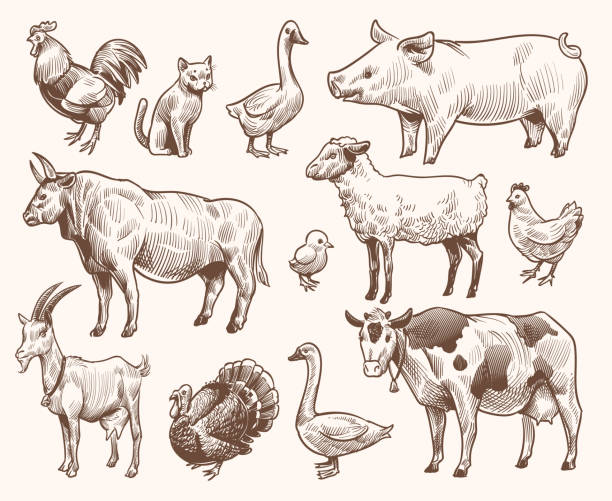
Sketch farm animals. Pig and cat, bull and cow, rooster and chicken, goat and ram, goose and turkey. Hand drawn engraving vector etching isolated natural farming set
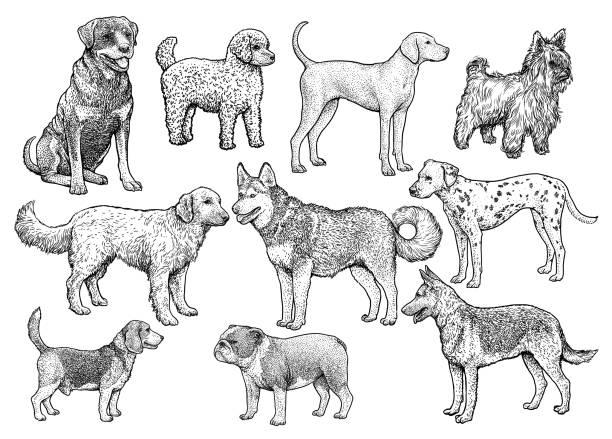


Illustration, what made by ink, then it was digitalized.
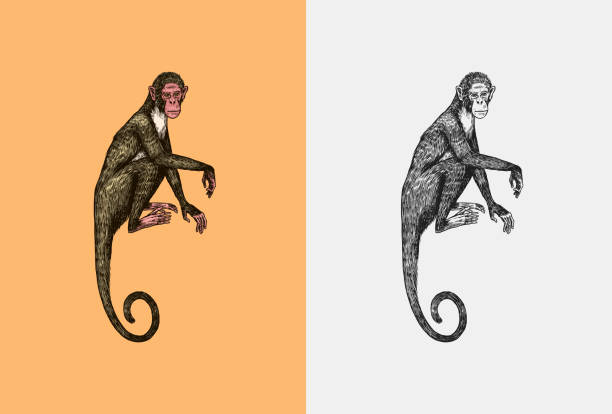
Colombian white faced capuchin or Rhesus macaque. Monkey in vintage style. Hand drawn engraved sketch in woodcut style. Vector illustration
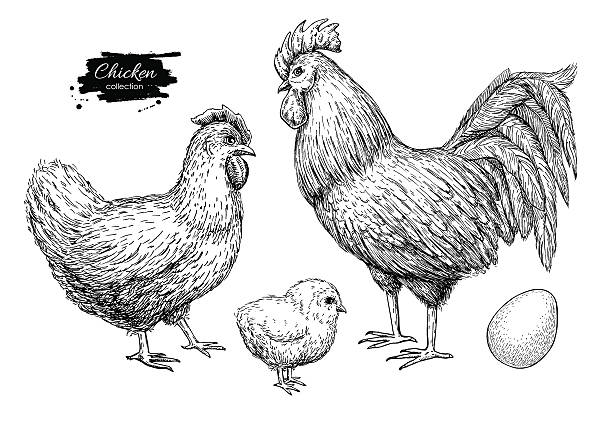
Vector chicken breeding hand drawn set. Engraved Chicken, Roster, baby chick and egg illustrations. Rural natural bird farming. Poultry business.
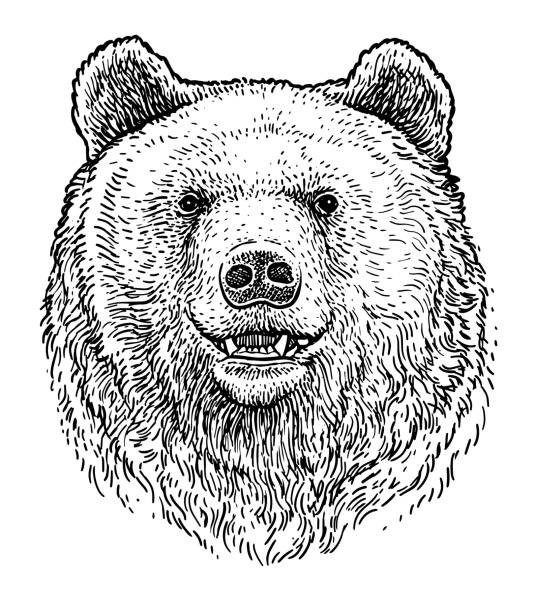
Illustration, what made by ink and pencil on paper, then it was digitalized.

illustration was published in 1895 "catalogue of different goods"

Illustration of a The Monarch of the Glen by Sir Edwin Henry Landseer
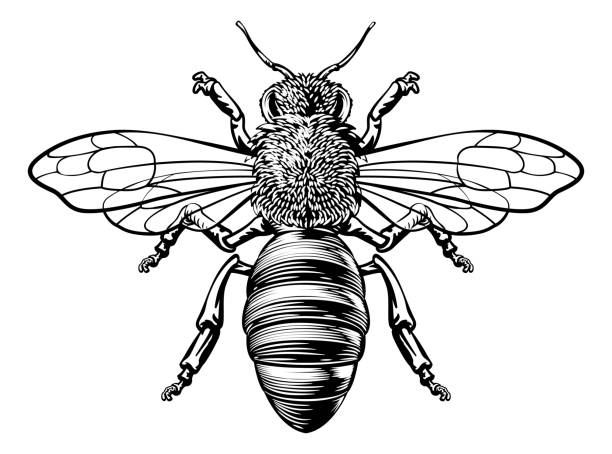
A honey bumble bee or bumblebee in a woodcut drawing vintage style
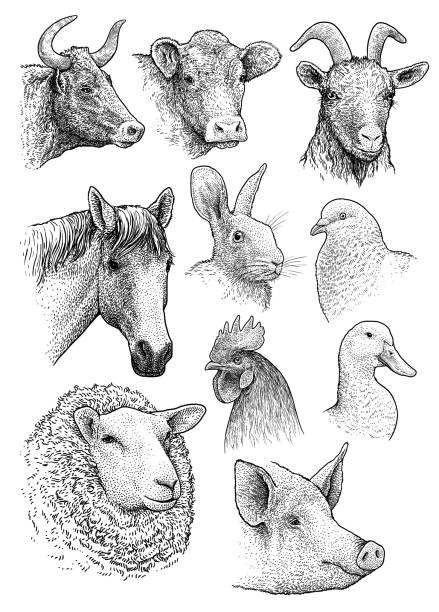
Illustration, what made by ink, then it was digitalized.

Vintage illustration Little girl flying on the back of a swift, bird, fairy tale, fantasy, Victorian children's book illustration, 19th Century

Pig. Hand drawn engraving style illustrations.

Predators (Mustelidae), marsupialia and rodents: a) Wolverine (Gulo gulo); b) European badger (Meles meles); c) Virginia opossum (Didelphis virginiana); d) Eastern grey kangaroo (Macropus giganteus); e) Crested porcupine (Hystrix cristata); f) Guinea pig (Cavia porcellus). Hand colored chromolithograph, published in 1869.

Monkey astronaut character. Chimpanzee spaceman cosmonaut. Fashionable animal. Hand drawn Engraved old monochrome sketch. Vector illustration for t-shirt, tattoo. Vector illustration

Ancient sea serpent, dragon, leviathan animals sketch. Sea monsters, engraved vector ocean deep legendary beasts, mythological snakes and fishes. Vintage maritime map hand drawn elements

The Museum of Natural History - the Animal Kingdom (Mammalia) Published by William Mackenzie, 1803 - London

The Apotheosis of WarVasily Vereshchagin, Rusia, 1871The work shows the aftermath of a bloody battle, which, although it may seem like a surreal landscape or a Cézanne still life, depicts an absolutely real scene.Leaving a pyramid of their victims' heads on the outskirts of conquered cities was a custom of the Turko-Mongol conqueror Tamerlane, one of the last nomadic warlords of Central Asia. And with this shocking scene, Vereshchagin intended to denounce not just this war, but all wars that have been and ever will be.In fact, there is an inscription on the back of the canvas: "Dedicated to all conquerors, past, present, and future."
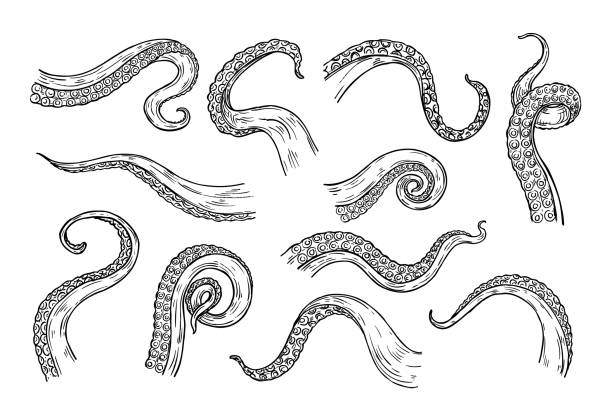
Octopus tentacles engraving. Hand drawn tentacle of underwater squid animal, sketch kraken or Cthulhu arms with sucker rings. Isolated detailed monster feelers, giant aquatic elements
of100Next