
Images
263 Color Image Colors Roadrunner Animal Images and Stock Photos
View color image colors roadrunner animal videos
Browse 260+ color image colors roadrunner animal stock photos and images available, or start a new search to explore more stock photos and images.
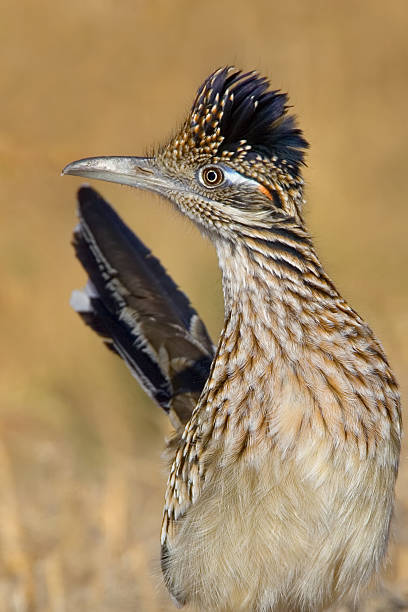
Greater Roadrunner (Geococcyx californianus) bird close up.

Beep! Beep! Male Roadrunner in breeding colors. Arizona.
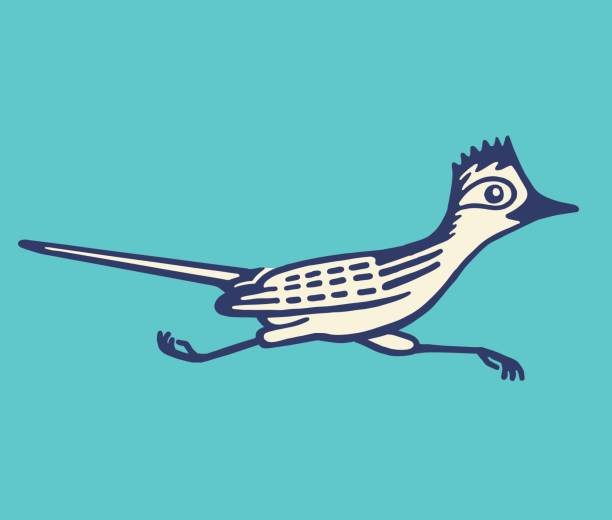
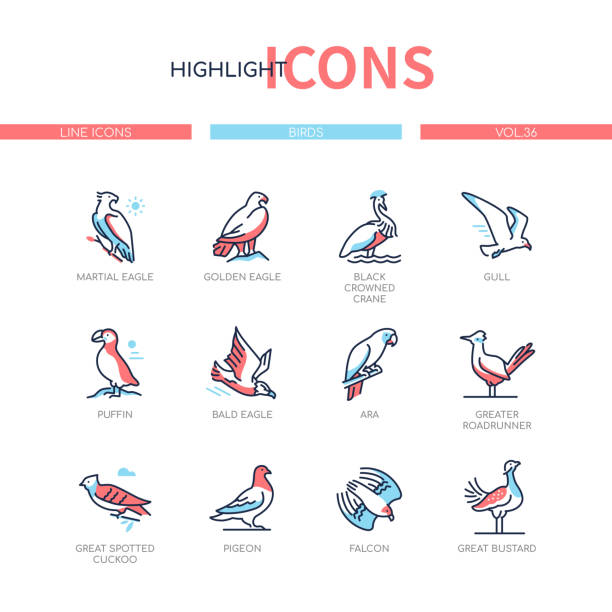
Bird species - modern line design style icons set with blue, red color filling. Martial, bald and golden eagle, black crowned crane, gull, puffin, ara, greater roadrunner, great spotted cuckoo, falcon
Our creative library is free of AI-generated contentChoose your visuals with confidence knowing our creative library is free from AI-generated content, so your searches only return safe, high-quality visuals you can trust.
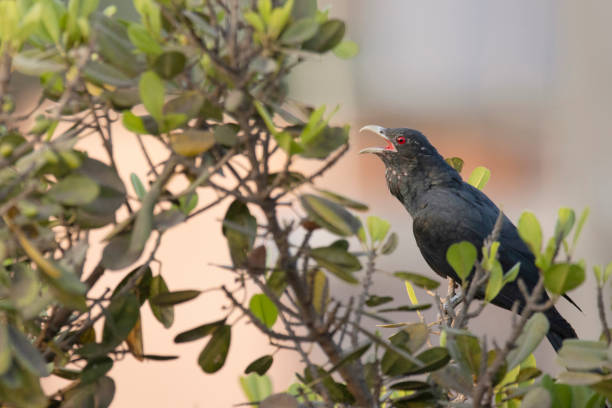

White cheeked Barbet sitting on the tree trunk with beautiful background. This photo was shot at coorg, Karnataka,india. This is also called as Small Green Barbet


A selective focus shot of a brown roadrunner bird perched on a rock


"A road runner, the state bird of New Mexico running along the roadside"

"Greater Roadrunner (Geococcyx californianus) crossing a dirt road in the desert. Bosque del Apache National Wildlife Refuge, New Mexico, USA MORE ROADRUNNERS"

Roadrunner Perched On Brown Rock And Looks Out in Big Bend National Park

Colorful Greater Roadrunner Sonoran Desert Scrubland in Baja California Cabo San Lucas Mexico. This roadrunner, member of cuckoo family and can reach speeds of 20 MPH.

Roadrunner with tail up - hunting for grubs and insects


A Greater Roadrunner hunts for a meal in the thistles and grasses.

A Roadrunner of the Sonoran Desert of the American Southwest of Arizona.

A Greater roadrunner bird is standing on a paved sidewalk with its long beak pointed downwards

The Greater Roadrunner (Geococcyx californianus) is a large bird found in the southwestern United States and Mexico. They are also known as the chaparral cock, ground cuckoo, and snake killer. They are the largest member of the cuckoo family and known for their long legs, tail, and sharp beak. The roadrunner walks, runs and only flies when necessary. They have a distinctive, elongated tail and a large head with a sharp, curved beak. They have a mottled plumage of brown, black, and white, which provides camouflage in their desert and scrubland habitats. Greater Roadrunners are found in a wide variety of habitats, including deserts, scrublands, and woodlands. They are known for their ability to survive in harsh, arid conditions, and they are able to tolerate high temperatures and low humidity. Greater Roadrunners are opportunistic predators and feed on a wide variety of prey, including insects, spiders, lizards, snakes, rodents, and small birds. They are known to be able to kill venomous snakes, such as rattlesnakes and copperheads, by striking them with their beak. They also forage for food on the ground, and they are known to run at high speeds to catch prey. Greater Roadrunners are a symbol of the American Southwest and are a popular subject of southwestern folklore and cartoons. This Greater Roadrunner was photographed at Lost Dutchman State Park near Apache Junction, Arizona, USA.


Greater Roadrunner Patrolling a Meadow in Big Bend National Park in Texas

Close-up view of a walking Greater roadrunner - Geococcyx californianus


A Roadrunner of the Sonoran Desert of the American Southwest of Arizona.

The Greater Roadrunner (Geococcyx californianus) is a large bird found in the southwestern United States and Mexico. They are also known as the chaparral cock, ground cuckoo, and snake killer. They are the largest member of the cuckoo family and known for their long legs, tail, and sharp beak. The roadrunner walks, runs and only flies when necessary. They have a distinctive, elongated tail and a large head with a sharp, curved beak. They have a mottled plumage of brown, black, and white, which provides camouflage in their desert and scrubland habitats. Greater Roadrunners are found in a wide variety of habitats, including deserts, scrublands, and woodlands. They are known for their ability to survive in harsh, arid conditions, and they are able to tolerate high temperatures and low humidity. Greater Roadrunners are opportunistic predators and feed on a wide variety of prey, including insects, spiders, lizards, snakes, rodents, and small birds. They are known to be able to kill venomous snakes, such as rattlesnakes and copperheads, by striking them with their beak. They also forage for food on the ground, and they are known to run at high speeds to catch prey. Greater Roadrunners are a symbol of the American Southwest and are a popular subject of southwestern folklore and cartoons. This Greater Roadrunner was photographed at Lost Dutchman State Park near Apache Junction, Arizona, USA.


A texas road runner (chapperal) pauses briefly for a photograph


This Greater Roadrunner was one of a pair that was foraging through the brushy thickets of South Texas's Laguna Atascosa National Wildlife Refuge.


This Greater Roadrunner was one of a pair that was foraging through the brushy thickets of South Texas's Laguna Atascosa National Wildlife Refuge.


Close-up painting of bird at La Cieneguilla Petroglyph Site near Santa Fe, NM. The petroglyphs were painted between circa 1400 and 1800 by Keresan-speaking Pueblo Indians.

Black-bellied Bustard in dry grassland, photographed in Kruger National Park, South Africa.

Painting of bird at La Cieneguilla Petroglyph Site near Santa Fe, NM. The petroglyphs were painted between circa 1400 and 1800 by Keresan-speaking Pueblo Indians.


Close-up paintings at La Cieneguilla Petroglyph Site near Santa Fe, NM. The petroglyphs were painted between circa 1400 and 1800 by Keresan-speaking Pueblo Indians.

Santa Fe, NM: Two Rail Runner trains parked at the Santa Fe Train Station; the Rail Runner travels between Santa Fe and Belen, NM.

Santa Fe, New Mexico, USA - March 18, 2013: A locomotive of the New Mexico Rail Runner Express (NMRX). It is a commuter train that operates in the areas between Santa Fe and Albuquerque.

A female roadrunner in the Sonoran Desert near Phonix, Arizona.


Up close with the Greater Roadrunner. Beep! Beep! Tucson.

A greater roadrunner bird resting on a wooden beam against a clear blue sky. Symbol of the Southwest.


of5Next