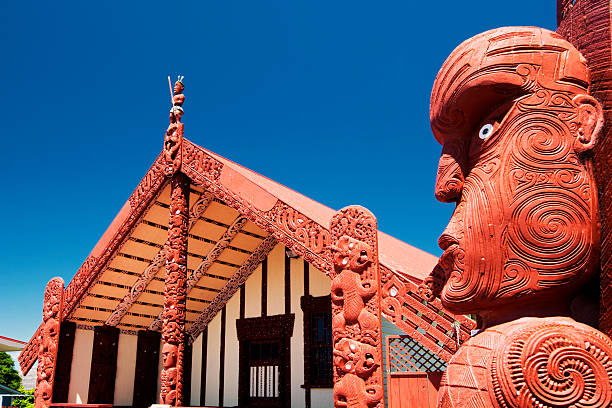
Rotorua, New Zealand - November 11, 2013: Maori wood carving outside of Te Papaiouru Marae, a Maori meeting house in the tourist town of Rotorua, New Zealand
Browse 80+ new zealand abalone shell maori stock photos and images available, or start a new search to explore more stock photos and images.
Rotorua, New Zealand - November 11, 2013: Maori wood carving outside of Te Papaiouru Marae, a Maori meeting house in the tourist town of Rotorua, New Zealand

A bone carved fish hook necklace with native New Zealand Flax. This bone pendant is actually a plastic mass produced tourist necklace souvenir. This is a New Zealand/ Maoritanga (Maori Culture) Background Concept Image with copy space.

Rotorua, New Zealand - November 11, 2013: Maori wood carving outside of Te Papaiouru Marae, a Maori meeting house in the tourist town of Rotorua, New Zealand

Rotorua, New Zealand - November 11, 2013:Maori wood carving on Te Papaiouru Marae, a Maori meeting house in the tourist town of Rotorua, New Zealand

A close up of single Paua Shell (Abalone). Paua are found in shallow coastal waters along rocky shorelines of New Zealand. To the Maori and Kiwi's alike, the paua is seen as kai moana (seafood). It is also used in traditional and contemporary arts and crafts of New Zealand.

closeup image of very small paua shells native to New Zealand and an important part of Maori culture.

"Nelson, New Zealand - March 05, 2012. Close-Up of the Gateway Sculpture at Arts Unique, next to the enterance to the Abel Tasman National Park, Marahau, Tasman Region, New Zealand."

New Zealand Maori totem carved figure with fish and abalone shell

A close up of single Paua Shell (Abalone). Paua are found in shallow coastal waters along rocky shorelines of New Zealand. To the Maori and Kiwi's alike, the paua is seen as kai moana (seafood). It is also used in traditional and contemporary arts and crafts of New Zealand.

A collection of mass produced tourist souvenir New Zealand Maoritanga (Maori Culture) dolls. Here they are displayed as if posing for a photo together. This is a Whanau or Family Concept.

New Zealand - Maori themed objects - tribal river stone in woven basket with greenstone pendant flax and shells on gray stone background - dark low key lighting theme

A collection of mass produced tourist souvenir New Zealand Maoritanga (Maori Culture) dolls. Here they are displayed as if posing for a photo together. This is a Whanau or Family Concept.

A close up of a Paua Shell (Abalone). Paua are found in shallow coastal waters along rocky shorelines of New Zealand. To the Maori and Kiwi's alike, the paua is seen as kai moana (seafood). It is also used in traditional and contemporary arts and crafts of New Zealand.

A bone carved fish hook necklace in a New Zealand/ Aotearoa Paua Shell better known to the world as an Abalone. This bone pendant is actually a plastic mass produced tourist necklace souvenir. This is a New Zealand/ Maoritanga (Maori Culture) Background Concept Image. The leaves beside are Kawakawa, one of the most important healing herbs in Rongoa Maori (traditional Maori herbal medicine).

New Zealand - Maori theme - Jade pounamu Koru design pendant and Paua shell laying in tidal shallows on beach - abstract with ripples of water and sunlight

The Pohutakawa is symbolic of Summer & Christmas in New Zealand. The Paua is a classic Kiwi icon on Kiwiana and of the good Kai on offer through the summer holidays. Both sit on a flax woven Kete style background.

A close up of single Paua Shell (Abalone). Paua are found in shallow coastal waters along rocky shorelines of New Zealand. To the Maori and Kiwi's alike, the paua is seen as kai moana (seafood). It is also used in traditional and contemporary arts and crafts of New Zealand.

Kawakawa Rongoā (Traditional Māori Medicine) Background of a woven Kete Background with Kawakawa leaves and Maori carved pendent.Rongoā is traditional Māori medicine, ways of healing that were passed down orally. Most commonly known are the herbal remedies, with Kakwakawa (Macropiper excelsum) known by all Kiwis. Kawakawa is one of the most important herbs in Māori medicine, used to treat cuts, wounds, and various pains. It is also traditionally used for a healthy digestive system and stomach ailments, its bitter and stimulating properties makes it excellent for constipation.

green and blue New Zealand shell isolated on white background

The Pohutakawa is symbolic of Summer & Christmas in New Zealand. The Paua is a classic Kiwi icon on Kiwiana and of the good Kai on offer through the summer holidays. Both sit on a flax woven Kete style background.

Paua shell from New Zealand, often used in Kiwi cultural art. Called Abalone elsewhere

Kawakawa Rongoā (Traditional Māori Medicine) Background of a woven Kete Background with Kawakawa leaves and Maori carved pendent.Rongoā is traditional Māori medicine, ways of healing that were passed down orally. Most commonly known are the herbal remedies, with Kakwakawa (Macropiper excelsum) known by all Kiwis. Kawakawa is one of the most important herbs in Māori medicine, used to treat cuts, wounds, and various pains. It is also traditionally used for a healthy digestive system and stomach ailments, its bitter and stimulating properties makes it excellent for constipation.This image is distressed for an aged feel.

New Zealand - Maori themed objects - Jade Pounamu pendant, Paua shell, with Kite bag, fern and flax leaves on woven background

A collection of mass produced tourist souvenir New Zealand Maoritanga (Maori Culture) dolls. Here they are displayed as if posing for a photo together. This is a Whanau or Family Concept.

A collection of mass produced tourist souvenir New Zealand Maoritanga (Maori Culture) dolls. Here they are displayed as if posing for a photo together. This is a Whanau or Family Concept.

A collection of mass produced tourist souvenir New Zealand Maoritanga (Maori Culture) dolls. Here they are displayed as if posing for a photo together. This is a Whanau or Family Concept.

A close up of single Paua Shell (Abalone). Paua are found in shallow coastal waters along rocky shorelines of New Zealand. To the Maori and Kiwi's alike, the paua is seen as kai moana (seafood). It is also used in traditional and contemporary arts and crafts of New Zealand.

Kawakawa Rongoā (Traditional Māori Medicine) Background of a woven Kete Background with Kawakawa leaves and Maori carved pendent.Rongoā is traditional Māori medicine, ways of healing that were passed down orally. Most commonly known are the herbal remedies, with Kakwakawa (Macropiper excelsum) known by all Kiwis. Kawakawa is one of the most important herbs in Māori medicine, used to treat cuts, wounds, and various pains. It is also traditionally used for a healthy digestive system and stomach ailments, its bitter and stimulating properties makes it excellent for constipation.

A Pounamu or New Zealand Greenstone necklace in a New Zealand/ Aotearoa Paua Shell better known to the world as an Abalone. This Pounamu Pendant is designed and carved by myself. This is a New Zealand/ Maoritanga (Maori Culture) Background Concept Image with Copyspace.

Kawakawa Rongoā (Traditional Māori Medicine) Background of a woven Kete Background with Kawakawa leaves and Maori carved pendent.Rongoā is traditional Māori medicine, ways of healing that were passed down orally. Most commonly known are the herbal remedies, with Kakwakawa (Macropiper excelsum) known by all Kiwis. Kawakawa is one of the most important herbs in Māori medicine, used to treat cuts, wounds, and various pains. It is also traditionally used for a healthy digestive system and stomach ailments, its bitter and stimulating properties makes it excellent for constipation.

A retro tourist carving of a Maori Tiki Pou Statue with a Pounamu or New Zealand Greenstone necklace. This Greenstone pendant is actually a mass produced tourist necklace souvenir. This is a New Zealand/ Maoritanga (Maori Culture) Background Concept Image.

A close up of single Paua Shell (Abalone). Paua are found in shallow coastal waters along rocky shorelines of New Zealand. To the Maori and Kiwi's alike, the paua is seen as kai moana (seafood). It is also used in traditional and contemporary arts and crafts of New Zealand.

A bone carved fish hook necklace. This bone pendant is actually a plastic mass produced tourist necklace souvenir. This is a New Zealand/ Maoritanga (Maori Culture) Background Concept Image. The leaves beside are Kawakawa and Harakeke, some of the most important healing herbs in Rongoa Maori (traditional Maori herbal medicine).

Small abalone shell, known as Paua in New Zealand. Isolated on white

A mass produced Bone carving necklace in a New Zealand/ Aotearoa Paua Shell better known to the world as an Abalone. This is a New Zealand/ Maoritanga (Maori Culture) Background Concept Image with Copyspace.

A retro tourist carving of a Maori Tiki Pou Statue with a bone carved fish hook necklace. This bone pendant is actually a plastic mass produced tourist necklace souvenir. This is a New Zealand/ Maoritanga (Maori Culture) Background Concept Image

A close up of single Paua Shell (Abalone). Paua are found in shallow coastal waters along rocky shorelines of New Zealand. To the Maori and Kiwi's alike, the paua is seen as kai moana (seafood). It is also used in traditional and contemporary arts and crafts of New Zealand.

Kawakawa Rongoā (Traditional Māori Medicine) Background of a woven Kete Background with Kawakawa leaves and Maori carved pendent.Rongoā is traditional Māori medicine, ways of healing that were passed down orally. Most commonly known are the herbal remedies, with Kakwakawa (Macropiper excelsum) known by all Kiwis. Kawakawa is one of the most important herbs in Māori medicine, used to treat cuts, wounds, and various pains. It is also traditionally used for a healthy digestive system and stomach ailments, its bitter and stimulating properties makes it excellent for constipation.This image is distressed for an aged feel.

Kawakawa Rongoā (Traditional Māori Medicine) Background of a woven Kete Background with Kawakawa leaves and Maori carved pendent.Rongoā is traditional Māori medicine, ways of healing that were passed down orally. Most commonly known are the herbal remedies, with Kakwakawa (Macropiper excelsum) known by all Kiwis. Kawakawa is one of the most important herbs in Māori medicine, used to treat cuts, wounds, and various pains. It is also traditionally used for a healthy digestive system and stomach ailments, its bitter and stimulating properties makes it excellent for constipation.This image is distressed for an aged feel.

A bone carved fish hook necklace in a New Zealand/ Aotearoa Paua Shell better known to the world as an Abalone. This bone pendant is actually a plastic mass produced tourist necklace souvenir. This is a New Zealand/ Maoritanga (Maori Culture) Background Concept Image. The leaves beside are Kawakawa, one of the most important healing herbs in Rongoa Maori (traditional Maori herbal medicine).

A bone carved fish hook necklace in a New Zealand/ Aotearoa Paua Shell better known to the world as an Abalone. This bone pendant is actually a plastic mass produced tourist necklace souvenir. This is a New Zealand/ Maoritanga (Maori Culture) Background Concept Image. The leaves beside are Kawakawa, one of the most important healing herbs in Rongoa Maori (traditional Maori herbal medicine).

A bone carved fish hook necklace in a New Zealand/ Aotearoa Paua Shell better known to the world as an Abalone. This bone pendant is actually a plastic mass produced tourist necklace souvenir. This is a New Zealand/ Maoritanga (Maori Culture) Background Concept Image. The leaves beside are Kawakawa, one of the most important healing herbs in Rongoa Maori (traditional Maori herbal medicine).

A Pounamu or New Zealand Greenstone necklace in a New Zealand/ Aotearoa Paua Shell better known to the world as an Abalone. This Greenstone pendant is actually a mass produced tourist necklace souvenir. This is a New Zealand/ Maoritanga (Maori Culture) Background Concept Image. The leaves beside are Kawakawa, one of the most important healing herbs in Rongoa Maori (traditional Maori herbal medicine).

New Zealand - Maori themed objects - tribal river stone in woven basket with green flax leaves and abalone - paua shells - dark low key lighting theme

Abalone - Paua Shell in sand on beach - New Zealand

New Zealand - Maori theme - Jade pounamu Tki Toki design pendant with Paua shell laying in tidal shallows on beach - abstract with ripples of water and sunlight

Kawakawa Rongoā (Traditional Māori Medicine) Background of a woven Kete Background with Kawakawa leaves and Maori carved pendent.Rongoā is traditional Māori medicine, ways of healing that were passed down orally. Most commonly known are the herbal remedies, with Kakwakawa (Macropiper excelsum) known by all Kiwis. Kawakawa is one of the most important herbs in Māori medicine, used to treat cuts, wounds, and various pains. It is also traditionally used for a healthy digestive system and stomach ailments, its bitter and stimulating properties makes it excellent for constipation.

A close up of single Paua Shell (Abalone). Paua are found in shallow coastal waters along rocky shorelines of New Zealand. To the Maori and Kiwi's alike, the paua is seen as kai moana (seafood). It is also used in traditional and contemporary arts and crafts of New Zealand.

A close up of a Paua Shell (Abalone). Paua are found in shallow coastal waters along rocky shorelines of New Zealand. To the Maori and Kiwi's alike, the paua is seen as kai moana (seafood). It is also used in traditional and contemporary arts and crafts of New Zealand.

A bone carved fish hook necklace in a New Zealand/ Aotearoa Paua Shell better known to the world as an Abalone. This bone pendant is actually a plastic mass produced tourist necklace souvenir. This is a New Zealand/ Maoritanga (Maori Culture) Background Concept Image. The leaves beside are Kawakawa, one of the most important healing herbs in Rongoa Maori (traditional Maori herbal medicine).

New Zealand - Maori themed objects - metal and greenstone pendant with flax leaves and abalone shells on grey stone background - dark low key lighting theme

Kawakawa Rongoā (Traditional Māori Medicine) Background of a woven Kete Background with Kawakawa leaves and Maori carved pendent.Rongoā is traditional Māori medicine, ways of healing that were passed down orally. Most commonly known are the herbal remedies, with Kakwakawa (Macropiper excelsum) known by all Kiwis. Kawakawa is one of the most important herbs in Māori medicine, used to treat cuts, wounds, and various pains. It is also traditionally used for a healthy digestive system and stomach ailments, its bitter and stimulating properties makes it excellent for constipation.

Kawakawa Rongoā (Traditional Māori Medicine) Background of a woven Kete Background with Kawakawa leaves and Maori carved pendent.Rongoā is traditional Māori medicine, ways of healing that were passed down orally. Most commonly known are the herbal remedies, with Kakwakawa (Macropiper excelsum) known by all Kiwis. Kawakawa is one of the most important herbs in Māori medicine, used to treat cuts, wounds, and various pains. It is also traditionally used for a healthy digestive system and stomach ailments, its bitter and stimulating properties makes it excellent for constipation.

A retro tourist carving of a Maori Tiki Pou Statue with a bone carved fish hook necklace. This bone pendant is actually a plastic mass produced tourist necklace souvenir. This is a New Zealand/ Maoritanga (Maori Culture) Background Concept Image. The leaves beside are Kawakawa and Harakeke, some of the most important healing herbs in Rongoa Maori (traditional Maori herbal medicine).

A close up of a Paua Shell (Abalone). Paua are found in shallow coastal waters along rocky shorelines of New Zealand. To the Maori and Kiwi's alike, the paua is seen as kai moana (seafood). It is also used in traditional and contemporary arts and crafts of New Zealand.

A Pounamu or New Zealand Greenstone necklace in a New Zealand/ Aotearoa Paua Shell better known to the world as an Abalone. This Greenstone pendant is actually a mass produced tourist necklace souvenir. This is a New Zealand/ Maoritanga (Maori Culture) Background Concept Image. The leaves beside are Kawakawa, one of the most important healing herbs in Rongoa Maori (traditional Maori herbal medicine).


