
Images
384 Images and Stock Photos
View polyphemus moth videos
Browse 380+ polyphemus moth stock photos and images available, or search for duck eggs to find more great stock photos and pictures.

Polyphemus Moth (Antheraea polyphemus) isolated on white background.


Polyphemus Moth, with wings spread, perched in a summer flower garden

In the forest of Saratoga Springs !
Our creative library is free of AI-generated contentChoose your visuals with confidence knowing our creative library is free from AI-generated content, so your searches only return safe, high-quality visuals you can trust.

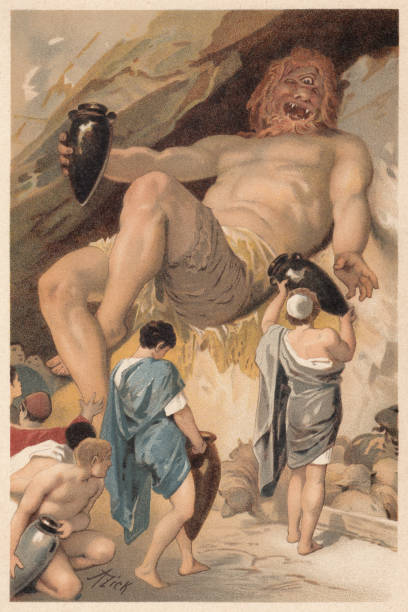
Odysseus giving wine to Polyphemus and makes him drunk. Szene from the Greek Mythology. Lithograph after an original by Alexander Zick (German painter, 1845 - 1907), published in 1897.


The Polyphemus moth, one of the giant silk moths of North American, shows the bright eyespots on its hindwings which is used to deter predators.

Silkmoth: 1) Domestic silkmoth (Bombyx mori) with caterpillar, cocoons, and eggs; 2) Cecropia moth (Hyalophora cecropia, or Saturnia Cecropia); 3) Chinese Oak Silkmoth (Antheraea pernyi, or Saturnia Pernyi), female; 4) Ailanthus silkmoth (Samia cynthia, or Saturnia cynthia). Chromolithograph, published in 1897

An Antheraea polyphemus in Saratoga Springs, Usa.

A close up of a male Silk Moth, resting on a person's hand

An Antheraea polyphemus in Saratoga Springs, Usa.

"Polyphemus Moth (Antheraea polyphemus) - Ontario, Canada"

Polyphemus moth portrait with green background taken in the Governor Knowles State Forest in Wisconsin.


Chrysalis of Golden Emperor Moth ( Loepa sikkima ) on twig

a small oak processionary moth climbs on the tree trunk

Recently hatched from his cocoon, a large and colorful polyphemus moth with huge eyespots stays camouflaged on shady sandstone in South Valley Park in Littleton, Colorado.

Polyphemus Moth Larva (Antheraea polyphemus) Feeding on Oak Leaves - Ontario, Canada

Antique illustration of Japanese Silk Moth or Japanese Oak Silkmoth (Antheraea yamamai)

Close up Polyphemus Moth, head with antenna, with wings spread

Closeup view of a moth on pink background with copy space. Insects macro. Polyphemus Moth (Antheraea polyphemus)

Polyphemus moth (Antheraea polyphemus) roosting on window blinds in Houston TX, ventral view.

Polyphemus moth on standing on pavement in mid June in New Hampshire, United States. - Antheraea Polyphemus

Isolated Golden Emperor Moth ( Loepa sikkima ) with clipping path

Antheraea polyphemus moth isolated on white background

Taking a close look at a Polyphemus moth at night. Symmetrical composite.


Polyphemus moth on standing on parking lot pavement in mid June in New Hampshire, United States. - Antheraea Polyphemus

"A member of the Saturniidae family, this moth was about 6 inches across. They do not eat as adults, they only reproduce, and die within a week."

An Antheraea polyphemus in Saratoga Springs, Usa.

Female Antheraea Polyphemus moth on a tree


A dorsal view of a pretty Polyphemus moth as it rests on an old white log in Missouri. Bokeh effect.

Caterpillar holding on branch

Japanese Oak Silk moth (antheraea yamamai) hanging on leaf

Polyphemus moth, Antheraea polyphemus, isolated on black

The chance to meet an antheraea polyphemus in its natural element

A member of the Saturniidae family, this moth was about 6 inches across. They do not eat as adults, they only reproduce, and die within a week.


Cacerola de mar Limulus polyphemus horseshoe crab in Mexico

Butterfly Polyphemusand Seamless Pattern. Watercolor illustration of insect with light blue Wings and small flowers, Cute ornament on isolated background for Valentine's Day. elestial animal.

Cacerola de mar Limulus polyphemus horseshoe crab in Mexico

Macro of a male Polyphemus moth wing underside. Fine details of patterns, markings, brown tones and textures with an abstract viewpoint.


Caterpillars eating green leaf are delicious.

(Antheraea polyphemus) The Polyphemus Moth is one of the giant silkworm moths. Easily identified by the large eyespots on the hindwings. The antennae are quadripectinate meaning their comb like structure is on all four sides. Polyphemus pupae create silk cocoons to complete metamorphosis. The cocoons have no escape doors like most moth species, instead they secrete an enzyme which breaks down the silk. The adult moths had 2 hardened spurs on the thorax at the base of each front wing to tear apart the silk to escape in the area the enzyme was secreted. The moth feeds on a variety of deciduous trees. The silk cocoons are preyed on by hairy and downy woodpeckers and the ichneumon wasp.


Polyphemus Moth (Antheraea polyphemus), caterpillar eaten leaf on a twig oak

photographing the historic capital city of paris, france - 2024


Quebec neon green caterpillar on wood with drops of water


of7Next