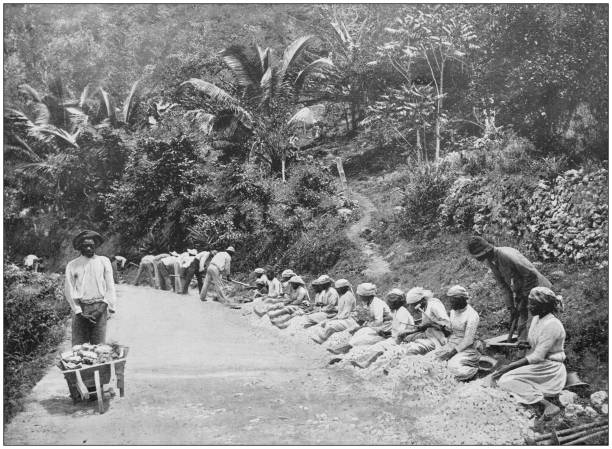
Images
Slavery In Jamaica Images and Stock Photos
Browse 70+ slavery in jamaica stock photos and images available, or start a new search to explore more stock photos and images.
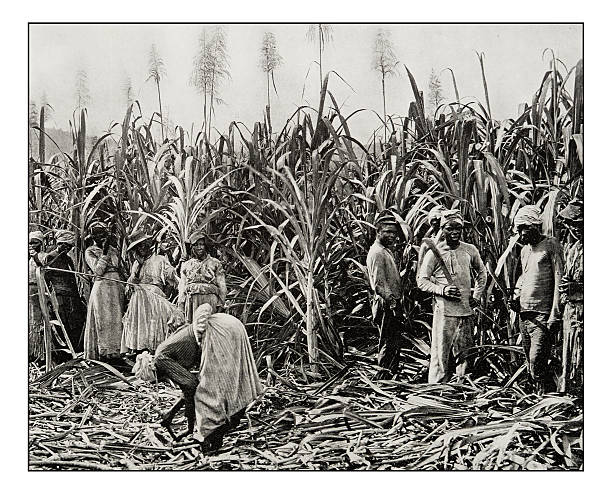

Historical view of a sugar cane mill in the West Indies (offshore Atlantic islands in Central and South America) - a factory that processes sugar cane to produce raw sugar or plantation white sugar. The history of sugarcane in the West Indies is inextricably linked to colonization and the slave trade. After Christopher Columbus brought sugarcane to the Caribbean in 1493, large plantations were established to promote sugarcane cultivation for the European market. This "white gold" was an important economic factor for the colonial powers, but it relied on the exploitation of slaves from Africa. Lithograph, published ca. 1830.

Saint Andrew, Jamaica - February 05 2019: Welcome sign at the Emancipation Park in New Kingston, Jamaica with Jamaica Pegasus Hotel in the background

Montego Bay, Jamaica - June 05 2015: Front view of the Rose Hall Great House in Montego Bay, Jamaica. Popular tourist attraction. Vintage architecture. Days of slavery.
Our creative library is free of AI-generated contentChoose your visuals with confidence knowing our creative library is free from AI-generated content, so your searches only return safe, high-quality visuals you can trust.

Montego Bay, Jamaica - June 05 2015: Front view of the Rose Hall Great House in Montego Bay, Jamaica. Popular tourist attraction. Vintage architecture. Days of slavery.

Montego Bay, Jamaica - June 06 2015: Exterior section of the Greenwood Great House Antique Museum in Montego Bay, Jamaica.

Montego Bay, Jamaica - June 05 2015: Front view of the Rose Hall Great House in Montego Bay, Jamaica. Popular tourist attraction. Vintage architecture. Days of slavery.

Montego Bay, Jamaica - June 06 2015: Greenwood Great House Antique Museum in Jamaica.

Montego Bay, Jamaica - June 05 2015: Front view of the Rose Hall Great House in Montego Bay, Jamaica. Popular tourist attraction. Vintage architecture. Days of slavery.

Samuel Sharpe (1801-1832) on 50 Dollars 2009 Banknote from Jamaica. Slave leader behind the Jamaican Baptist War slave rebellion. Only 30% of the banknote is visible.

Montego Bay, Jamaica - June 05 2015: Front view of the Rose Hall Great House in Montego Bay, Jamaica. Popular tourist attraction. Vintage architecture. Days of slavery.

The park is in New Kingston, opened on 31 July 2002, the day before Emancipation Day. Prime Minister P.J. Patterson's address to open the park he acknowledged that the park is a commemoration of the end of slavery.

Montego Bay, Jamaica - June 05 2015: Front view of the Rose Hall Great House in Montego Bay, Jamaica. Popular tourist attraction. Vintage architecture. Days of slavery.

Montego Bay, Jamaica - June 05 2015: Front view of the Rose Hall Great House in Montego Bay, Jamaica. Popular tourist attraction. Vintage architecture. Days of slavery.

Montego Bay, St. James Parish - Jamaica - September 10th, 2025: Exterior of The Cage, built in 1823, in Montego Bay, Jamaica.


Montego Bay, Jamaica - June 06 2015: Close up on an exterior section of the Greenwood Great House Antique Museum in Montego Bay, Jamaica.

Montego Bay, St. James Parish - Jamaica - September 10th, 2025: Exterior of downtown buildings and storefronts in Montego Bay, Jamaica.

Montego Bay, Jamaica - June 05 2015: Front view of the Rose Hall Great House in Montego Bay, Jamaica. Popular tourist attraction. Vintage architecture. Days of slavery.
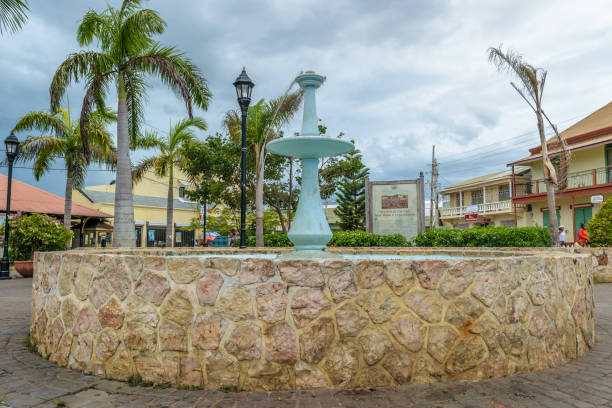
Falmouth, Jamaica - May 31 2015: The Water Square in Falmouth, Trelawny parish, Jamaica. Historic landmark in the heart of the rural town.
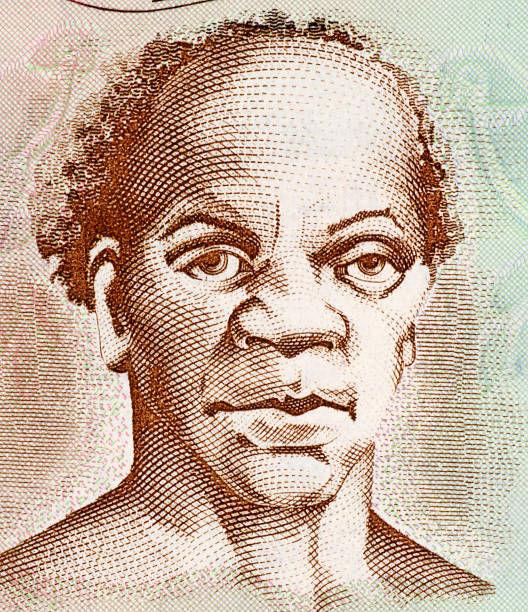
Samuel Sharpe (1801-1832) on 50 Dollars 2009 Banknote from Jamaica. Slave leader behind the Jamaican Baptist War slave rebellion. Less than 30% of the banknote is visible.

Montego Bay, Jamaica - June 05 2015: Front view of the Rose Hall Great House in Montego Bay, Jamaica. Popular tourist attraction. Vintage architecture. Days of slavery.

Montego Bay, Jamaica - June 05 2015: Front view of the Rose Hall Great House in Montego Bay, Jamaica. Popular tourist attraction. Vintage architecture. Days of slavery.

Ancient ruins of an old concrete sugar mill on countryside landscape in Lucea, Hanover parish, Jamaica. Caribbean island history/ historic culture.

Montego Bay, St. James Parish - Jamaica - September 10th, 2025: Exterior of downtown buildings and storefronts in Montego Bay, Jamaica.

Montego Bay, Jamaica - June 05 2015: Front view of the Rose Hall Great House in Montego Bay, Jamaica. Popular tourist attraction. Vintage architecture. Days of slavery.

Devon House, a grand estate in the heart of Kingston, was built by one of Jamaica's first Black millionaires, George Stiebel. This historic landmark showcases exquisite architecture and stands as a symbol of heritage, success, and cultural pride in Jamaica.

Montego Bay, Jamaica - June 06 2015: Greenwood Great House Antique Museum in Jamaica.

Falmouth, Jamaica - May 31 2015: The Water Square in Falmouth, Trelawny parish, Jamaica. Historic landmark in the heart of the rural town.

Overboard with a whale and row boat after a battle from the historic pre-1900 book "The English Illustrated Magazine 1891-1892". Imprint and cover as release.

The park is in New Kingston, opened on 31 July 2002, the day before Emancipation Day. Prime Minister P.J. Patterson's address to open the park he acknowledged that the park is a commemoration of the end of slavery.

The park is in New Kingston, opened on 31 July 2002, the day before Emancipation Day. Prime Minister P.J. Patterson's address to open the park he acknowledged that the park is a commemoration of the end of slavery.

Barcode ID number tattoo on wrist of dark skinned person and national flag on background - Jamaica

Montego Bay, St. James Parish - Jamaica - September 10th, 2025: Exterior of The Cage, built in 1823, in Montego Bay, Jamaica.

The park is in New Kingston, opened on 31 July 2002, the day before Emancipation Day. Prime Minister P.J. Patterson's address to open the park he acknowledged that the park is a commemoration of the end of slavery.

Devon House, a grand estate in the heart of Kingston, was built by one of Jamaica's first Black millionaires, George Stiebel. This historic landmark showcases exquisite architecture and stands as a symbol of heritage, success, and cultural pride in Jamaica.


OLD SLAVE PLANTATION ISLAND HISTORY

Montego Bay, St. James Parish - Jamaica - September 10th, 2025: Exterior of downtown auto parts shop in Montego Bay, St. James Parish, Jamaica.

Montego Bay, Jamaica - June 06 2015: Front entrance to the Greenwood Great House Antique Museum in Montego Bay, Jamaica. Vintage green door.

Montego Bay, Jamaica - June 06 2015: Front entrance to the Greenwood Great House Antique Museum in Montego Bay, Jamaica. Vintage green door.

Montego Bay, St. James Parish - Jamaica - September 10th, 2025: Exterior of downtown buildings and storefronts in Montego Bay, Jamaica.

Montego Bay, St. James Parish - Jamaica - September 10th, 2025: Exterior of downtown buildings and storefronts in Montego Bay, Jamaica.

Falmouth, Jamaica - May 31 2015: The Water Square in Falmouth, Trelawny parish, Jamaica. Historic landmark in the heart of the town.

Falmouth, Jamaica - June 03 2015: Display boards/ Information of Jamaican culture, history and more along car park at the Falmouth Cruise Port in Trelawny parish, Jamaica.

OLD SLAVE PLANTATION ISLAND HISTORY

Montego bay, Jamaica - 22 January 2026: indoor view of Rose Hall great house near Montego Bay on Jamaica

Montego bay, Jamaica - 22 January 2026: indoor view of Rose Hall great house near Montego Bay on Jamaica

Montego bay, Jamaica - 22 January 2026: View at Rose Hall great house near Montego Bay on Jamaica


Montego bay, Jamaica - 22 January 2026: View at Rose Hall great house near Montego Bay on Jamaica

Montego bay, Jamaica - 22 January 2026: View at Rose Hall great house near Montego Bay on Jamaica


Montego bay, Jamaica - 22 January 2026: indoor view of Rose Hall great house near Montego Bay on Jamaica

Montego bay, Jamaica - 22 January 2026: View at Rose Hall great house near Montego Bay on Jamaica

Montego bay, Jamaica - 22 January 2026: View at Rose Hall great house near Montego Bay on Jamaica

Montego Bay, St. James Parish - Jamaica - September 10th, 2025: Exterior of The Cage, built in 1823, in Montego Bay, Jamaica.
of2Next